Archive for the ‘general’ Category

What to do with extra Halloween candy

halloweencandy72

Trick or treat?

Halloween candy is both. It is a tasty treat that becomes a trick when it shuts down our immune systems for hours, starts a winter-long sweet-craving and throws the rest of our metabolism out of whack. (Author Nancy Appleton lists over 144 ways sugar is hard on your health.)

Health nuts like Bill and I might wish we could give out something wholesome. Unfortunately, parents are afraid of anything but factory sealed candy. (And we don’t want our house decorated with eggs or toilet tissue.) If we just turn off the porch light and hide, we’d miss those few cute kids who visit in homemade costumes (and the late-arriving teens who think that a flannel shirt is a costume). So, we give in and give the kids what they want. Parents have a bigger problem if they are concerned about their children’s health…they must figure out what to do with a pillow case full of collected goodies. There are some good uses for extra Halloween candy.

 Here at least are some ideas for what to do with leftovers:

  • After one stomach-churning binge, parents sometimes trade toys for the balance of the loot and send the leftovers in care packages to the troops. They don’t have a convenience store on every corner and are more likely to burn it off than seniors in a rest home. (I understand they sometimes use little treats to make friends with native children.) Here is a good group: Operation Gratitude. It is a chance to teach children something about nutrition and appreciation for our freedoms. We can even teach them the power of action by starting a neighborhood collection for this organization to send: Do Something
  • Creative dentists trade items donated by local businesses for the kids’ candy which is then sent to the troops. For instance: Halloween Candy Buy Back
  • If you have been assigned to bring a decadent dessert to some function, instead of buying more sugar, here are ideas for 27 Desserts made with leftover candy.
  • Hide some away for Christmas stockings? Some candy freezes for use next year.

I hope your holiday is fun and safe.


The science on supplements for powerful immune support continues to build

support-pinkIt is seems apparent that our immune system is affected directly or indirectly (for good or bad) by virtually everything we eat, drink, breathe, put on our skin and certainly by what we think. When I suggest supplements to support immune protection against breast cancer or any other disease, please know that they are no substitute for a healthful diet and lifestyle. That said, the science on supplements for powerful immune support continues to build.

  1. Curcumin – This substance is the main constituent of the spice turmeric. Enter the words “curcumin cancer” into PubMed.com (the government science database) and today it returns 3,580 citations! Narrow the search to just breast cancer and still get 441. Curcumin seems to work in a number of ways to protect against cancer including improving how our genes operate (epigenetics). It even makes chemotherapy more effective. LINK. I chose that link in particular because prolific researcher, Ajay Goel, PhD of Baylor University Medical Center (Dallas), is an author. Some curcumin extracts are made to be much more easily absorbed and utilized. This one by Doctor’s Best is a good example.
  2. Aged Garlic Extract (AGE) – Although garlic in food does help immune function, aging the garlic increases its potency and creates new beneficial substances. Among other benefits, AGE seems to suppress the unwanted multiplication of cells. LINK. Our sponsor, Kyolic, has conducted over 750 studies on its product and, as far as I can tell, Kyolic is the only commercial source of AGE. The company also smartly combines AGE with other nutrients to address particular health issues.
  3. Aloe vera – Consuming properly made Aloe vera juice (or gel) supports immune function by providing antioxidant protection; decreasing blood levels of certain toxins; improving nutrient uptake; and by increasing the numbers of immune white cells. I thought that this linked study was interesting because it shows that aloe can cause pancreatic cancer cells to die and that it increases the effectiveness of radiation therapy. In my book on Aloe vera, I discuss that the richness in concentration and higher molecular weights of polysaccharides are key to effectiveness. My choice (based on an independent university analysis) is Lily of the Desert
  4. Flaxseed –In natural medicine, flax has long been considered beneficial for cancer prevention and even treatment. The Dr Johanna Budwig anti-cancer food plan is a notable example. Flax seems to help in part because of its omega-3 content. Fish oil contains more omega-3 in a more useable form. But, flax’s effect is also due to its content of lignans. Lignans have a weak estrogenic effect that concerned some people in regard to estrogen-dependent breast cancer. As it turns out, flax appears to be quite beneficial and even seems to help Tamoxifen therapy work better. LINK. I prefer sprouted flax because it is less likely to become rancid than the fragile ground seeds and its nutrients are more readily available. That product is not easy to find, but here is one source. (Blueberry and Cranberry flavors are also available.)
  5. Resveratrol. You may know resveratrol as the anti-aging, macular degeneration relieving molecule from grapes. It is an antioxidant, but so much more. It seems to selectively encourage cancer cells to die and reduces the growth of their blood supply. The molecule also seems to reduce metastasis by stopping the tumors from breaking down tissue. It has been studied in connection with multiple myeloma, and cancers of the skin, breasts, prostate, and stomach. I grabbed this LINK because it is a review of studies dealing with lung cancer. In this linked article I discuss the diverse benefits of resveratrol and explain why I choose the Longevinex brand.
  6. Colostrum – Colostrum is the original breast fluid mammals (including humans) make for infants before breast milk starts flowing. It is full of immune-strengthening compounds that give the baby a good start in the world. Although it has long been known as a supplement for helping to prevent / resolve colds and flu (and for helping body builders), new research into benefits for cancer is encouraging. LINK. According to my research PerCoBa is a superior product. That company sells a liquid. PerCoBa lozenges (which kids love) and powder are available from a sponsor with an online store.

We are learning that one way these substances are beneficial is that they support our intestinal bacteria. As I mentioned in last week’s blog probiotics in our systems have a crucial role in immune function (and it appears, every other function). Supplements hold great promise, but I think it is unlikely that they can make up for a collection of these: a diet high in sugar, smoking, being obese, eating out of BPA-lined cans, being sedentary, drinking too much, overdoing hormone replacement, being sleep deprived and deficient in vitamin D.


Build super smart immune function with supplements

super-woman

Whether we are thinking about the annual flu or any cancer (including breast cancer here in Pinktober), our best protection is to build super smart immune function with supplements. I say “smart” because we need immune system action against invaders like bacteria, viruses and errant cells. We don’t want the system to be confused and cause allergies. It is an even worse situation when the immune system attacks healthy tissue as is the case with auto-immune conditions. To build a super smart immune system, good food is the place to start. Read about 8 pink foods that help prevent breast cancer

The supplement list below (installment one of two) keeps that important balance in mind. For each I’ve provided an interesting reference for your consideration. For the most part I’ve used breast cancer examples, but I recently did the same search for leukemia and found similar evidence. In each section I’ve also given a link to a high quality product so you have an idea what to shop for. (Since they are such fine hand-picked companies, it should come as no surprise that our radio sponsors are represented.)

  1. Vitamin D – This article shows that “raising vitamin D levels to the recommended range of 40-60 ng/ml reduces incidence of breast cancer by 50-80%”. Wow!!! (We will have an interview on vitamin D on October 29.) Most milk is fortified with vitamin D2 rather than the more effective vitamin D3 that is in supplements. Any good brand of D3 supplement will work…if you get enough. I like the sublingual by Superior Source because it is easy and at 5,000 IU you are more likely to take enough to achieve beneficial blood levels.
  2. Probiotics – In my book, The Probiotic Cure, I discuss the research on the benefits of a healthy microbiome (balance of gut bacteria) for cancer and many other immune challenges. Good bacteria can not only tell immune cells when to attack, but also when to calm down. They even help our genes behave. I gave a link to an interesting study on microbes and breast cancer in last week’s blog. Here is a revealing mouse model study. LINK. As I’m sure you know, my favorite product of any kind is Ohhira’s Probiotics. It doesn’t contain the exact organisms used in some studies, but it does help create a good environment in the gut for our native strains. The same fine folks that import Dr. Ohhira’s from Japan also make Reg’Activ which contains a strain that makes glutathione, the master antioxidant. One of the Reg’Activ combinations is specifically for immune function.
  3. Minerals – Our microbes can make a few vitamins, but they cannot make minerals. The processing of foods in America removes many minerals. What about “enriched” flour you might ask? Iron is added to that and sometimes calcium, but not the following minerals that are so important for immune function:
    1. In an archived interview, Richard Passwater discussed a study that showed that the right form of the mineral selenium prevented up to 50% of cancer deaths. The form in the supplement at this link is the same type used in the study. (Sadly, a follow-up study used a completely different form that did not get such good results. That is the cheap form used in many supplements.) A recent study shows that low selenium in the blood may be a factor with childhood cancers. LINK.
    2. Zinc is well known to help immune function. Bill Sardi wrote a useful article on zinc deficiency. I like Jarrow’s Zinc Balance because it is a good form and combines a little copper to keep that mineral in balance.
    3. Magnesium. I know, I know, I make it sound as though magnesium is good for everything. Well, that is about the size of it. In a recent study of breast cancer patients, increased magnesium intake was associated with reduced death from all causes especially in postmenopausal women. LINK. Most any magnesium will help, but the cheaper forms are more likely to cause a loos stool. I like this form.

The list above isn’t necessarily in priority order because any given person might be okay with one item, but deficient in another. Actually, we don’t have to choose because they can all be taken concurrently.

Click here to read my Library article on building immunity. Anyone interested in “stage zero breast cancer” (ductal carcinoma in situ) should listen to this interview with Sayer Ji about the risks of over-treatment.

Next week I’ll cover curcumin, aged garlic extract, Aloe vera, flax seed, resveratrol and colostrum.

Cancer – Causes, Prevention and Resources

beyond-pink

Can we please change October “Breast Cancer Awareness Month” to “Prevent and Defeat Breast Cancer Month”? (By the way, breast cancer does affect men too.) As the graphic implies, we all want to be “in the pink”. On Saturday’s Show I skimmed through some causes of breast cancer. These factors are interrelated and hint at ways to prevent cancer. Beyond that, if cancer has already been diagnosed, they suggest how we might add benefit to whatever type of treatment has been chosen. Happily, these actions also improve overall wellness and help prevent other diseases.

CAUSES / PREVENTIVE STEPS:

  • Our heredity does play a role in the risk of cancer. However, it is increasingly apparent that our eating habits and lifestyle can control whether genes become active or stay peacefully dormant. LINK
  • Free radicals (also known as oxidants) damage cells and our DNA. That can set us up for cells that don’t know when to stop multiplying—e.g. tumors. Smoking is one of many toxins that cause free radicals. In fact, even exposure to secondhand smoke is a risk factor for breast cancer. LINK. Most of us take antioxidant nutrients (such as vitamin C, zinc, selenium, colorful plant foods and many more) to help control free radicals.
  • Radiation is another cause of free radicals and an increased risk of cancer. Concerns about accumulating radiation exposure is why there is controversy about how often it is wise to get a mammogram. LINK (Note: thermography does not share those risks.)
  • Inflammation is implicated in most degenerative diseases. At this LINK the Mayo Clinic lists some proven causes for this risk. Another less publicized source of inflammation is a diet high in sugar and omega-6 oils. Those oils are found in processed foods and vegetable oils (e.g. soy and corn). Omega-3 fats (e.g. fish oil) has the opposite effect. It is anti-inflammatory. (Some research shows it works as well as anti-inflammatory drugs for arthritis pain. LINK) Magnesium is another anti-inflammatory nutrient with many fringe benefits. LINK
  • The microbiome. As I describe in The Probiotic Cure, probiotic bacteria and other microorganisms that make up the hugely diverse community in our intestinal tract known as the microbiome. They not only contribute greatly to our immune function, they also help regulate hormone imbalances that can lead to cancer. LINK. It is an exciting beginning that a lab study showed that certain probiotic bacteria caused breast cancer cells to reproduce more slowly, shrink and die! Even probiotics killed by heat had that inhibitory effect. LINK
  • Alcohol in moderation may have some benefit to health However, according to the American Cancer Society “Those [women] who have 2 to 5 drinks daily have about 1½ times the [breast cancer] risk of women who don’t drink alcohol.” A new study shows that alcohol increases the density of breast tissue which is a cancer risk. LINK
  • Diet is of course important to all aspects of health. The Mediterranean Diet has shown promise not only for prevention, but also reducing return bouts with the disease. LINK. I was pleased to see that the famous cancer clinic, MD Anderson, acknowledge the role of dietary sugar in increasing breast cancer risk. LINK  One human study (LINK) came to conclusions that surprised me. They found that those women who ate tomatoes, drank coffee and canned meat had lower rates of breast cancer. (Sure, tomatoes and coffee contain antioxidants, but, canned meat? Really? The study was done in Malta. Maybe their canned meat is better than ours?) Here is a surprise: consumption of fava beans, cabbage and low sodium salt substitute increased risk.
  • Many other factors certainly have an effect. The surprising study listed in the previous paragraph also found that protection was better in women who got (Not surprising since that is the primary source of vitamin D which is powerful for the immune system.) Those who had not taken oral contraceptives had lower risk. (Apparently nature is better at balancing hormones.) Also at less risk were those who had not experienced a heart attack. (We’d think they were generally healthier.) On the other hand, the study found that being tall was not a good thing. (I’ve seen this odd association before.) This study was carefully done, but it used interviews and without confirming intervention studies is not considered proof that these associations are causes.

CHARITIES

I’m sure that anyone who makes a donation to help with breast cancer wants that money to go as far as possible toward stopping this scourge and helping patients. Unfortunately, there are outright fraudulent “charities” and some that are legitimate, but who in my book not good stewards of the money.

  • Charity navigator is a very useful site to check on any charity that you are considering. The service ranks them for transparency and by how much of donated money goes to good works. I like to see charities that go beyond supporting more of the same old kind of research that has been the basis of the unimpressive War on Cancer since 1971.
  • Why not donate to the Best Answer for Cancer Foundation that Annie Brandt talks about on the October 8, 2016 HBN Show. Their site says: “A full 90% of your donation will go towards studies, patient care, raising awareness, and advocacy. The other 10% will support the administrative cost of the foundation.” (Charity Navigator does not rate funds that bring in less than $1 million in revenues.)
  • I like that the Breast Cancer Fund researches chemical causes and has “Tips for Prevention” on their home page. About 77% of their income goes to their mission. (The smaller the charity, the harder it probably is to keep administrative and fundraising costs to a low percentage. The Best Answer for Cancer Foundation is an example that it is possible.)
  • The Breast Cancer Research Foundation has the highest rating by Charity Navigator and invests 91% of its income into stopping breast cancer. They fund a fairly broad range of cancer research areas. LINK.

RESOURCES

The October 8, 2016 show guest is Annie Brandt, a long term survivor of “stage 4” breast cancer and the author of The Healing Platform: Build Your Own Cure!  Other shows in October feature special testing that is very helpful, the role of vitamin D and many other interviews of interest.

The following pages from our HBN Library contain a lot more helpful information.

Help for making and preserving lean tissue

core-color

Two weeks ago we covered the importance of muscle mass. Last week I discussed protein as a key requirement for building and maintaining muscle. Obviously, using muscles as in strength training is also necessary. I’ve included the drawing of “core muscles.” You probably know that we should work especially diligently on strengthening them to help balance among other benefits. (Some basic exercises like squats and planks help a lot as do programs like yoga and Tai Chi.) This week I want to briefly review what supplements help; what hurts muscles and what to do about cramps.

Supplements

Many aspects of health affect our ability to maintain our strength. So, it is likely that we could make a case for a great many supplements. Here is just a sample:

  • Probiotics. It has been shown that the elderly become more frail when their intestinal microbes become depleted and imbalanced. That often happens due to the diet and other factors common to institutional housing (e.g. rest homes). There is increasing interest in doing studies to show how probiotics may help this frailty which is mainly loss of muscle mass (sarcopenia). In one animal study a bacterial strain (Lactobacillus plantarum TWK10) was found to help build muscle. It is likely that other strains do that as well. For one thing, probiotics help us absorb and use the nutrients required to make muscle. After all the study I did while writing The Probiotic Cure, I still could not find a product that compares to Ohhira’s Probiotics.
  • Vitamin D. Most studies on vitamin D and muscles do show benefit, but have used it in combination with other factors such as diet. This linked study of frailty in the elderly, indicates that vitamin D helps. But, as always, the scientists say that more research is needed. Given the dozens of other benefits of vitamin D, I wouldn’t wait to get my blood levels into an optimum range. (I have written about vitamin D in the Library and we will talk about it on the show later in the month.)
  • Creatine. The body makes creatine (technically a nitrogenous organic acid) and uses it to help give cells energy to do their work. Because we don’t necessarily make enough, it has been studied as a muscle supporting supplement for many years. In this particular study of older adults, creatine was found to be more effective for men than women.

What isn’t a help

  • Androstenedione (an anabolic steroid precursor) has been touted in the past by body building magazines. But, it appears to be ineffective and potentially dangerous. It is hard now to find it in a supplement. (By the way, a British study found that the advice in men’s fitness magazines is generally unreliable.)

What keeps muscles from repairing / building?

  • Age and inactivity
  • Overeating of calories, sugar, inflammatory fats (e.g. omega-6 from vegetables oils) and even excess protein (see last week’s blog for normal ranges).
  • General toxicity

What actually damages muscles?

  • One class of antibiotics (Fluoroquinolones, or quinolone)
  • Some statin cholesterol-lowering drugs have muscle damage as a potential side effect.
  • Free radicals or oxidants damage all tissues including muscles. Protection against free radicals is why we eat antioxidant foods and take antioxidant supplements. Glutathione is the master antioxidant. In one study it was shown that low glutathione caused DNA damage and increased molecules that tell muscle cells to die. Glutathione is expensive and not very effective taken as a pill. However, there is a beneficial bacterial strain ME3 that becomes a little glutathione generator in our gut.

Muscle cramps?

Cramps are painful episodes where muscles get stuck in contraction mode and can wake us up ready to scream. Of course, strenuous activity is a factor in causing them and stretching afterwards helps. There are other factors and remedies:

  • Water. Cramps seem more common when we haven’t had enough water before, during and after activity.
  • Magnesium. Without calcium a muscle cannot contract. But, without magnesium it cannot relax. (I recommend magnesium for monthly cramps too.) When we work or exercise outdoors we worry about keeping electrolytes. Electrolyte sports drinks contain sodium and potassium which does help prevent cramps. Unfortunately, many (if not most) do not add the electrolyte magnesium. Since we need magnesium for so many other purposes, it is likely important to supplement it daily.
  • Home remedies. The People’s Pharmacy newspaper column and website often discuss how to reverse a cramp. Among the most consistently applauded is eating a spoon full (or take-out packet) of yellow mustard or drinking a little pickle juice. The most curious remedy that many swear by is putting a bar of soap (e.g. ivory) under the sheet to keep leg cramps at bay.
  • Homeopathic help. King’s Cramp & Spasm Relief would be handy to have on the night stand because you wouldn’t need to even turn on a light. Just grab it and swallow 3 sprays from the pump.
  • Something to avoid. If you drink Earl Grey tea and also have muscle cramps, there may be a connection. The bergamot used in its flavoring is the suspect.


Do you eat enough protein?

protein

In last week’s blog we talked about the importance of maintaining muscle mass even into advanced age. One requirement for building and maintaining muscle is adequate intake of protein.

Experts do not all agree on the amount of protein we require, but they do generally agree that the goal should vary by person. As you can see from this Kashi calculator, if you enter a weight of 155 pounds and check that you are moderately active, it doesn’t give one number…it gives a range—56 to 106 grams. That is a huge spread. It likely reflects a bunch of individual differences such as proportion of existing muscle mass; whether or not a person is taking acid-blocking drugs (among other insults, those drugs keep us from properly digesting protein); and even what kind of bacteria live in a person’s intestinal track.

Kashi is obviously promoting their own products and they are probably better than most. However, I think un-fermented grains in products like cereal should not be a large part of our diet and they may actually be a problem for many people. None the less, this calculator could be very useful in getting an idea how much protein we eat.*  You can see, for example, that while it has a reputation for being a “protein food”, 1 tablespoon of peanut butter only provides 4.6 grams of protein. A slice of the highest quality whole grain bread might add another 5 grams. (Other brands might list higher protein numbers, but that is often because their bread contains more gluten. Gluten will have to be another blog.) A tablespoon of grape jelly adds zero protein. Depending on the brands selected, this PBJ toast may contain a lot of sugar, some trans fats and other undesirable ingredients. (There is no substitute for reading not only the nutrition facts on the label, but also the ingredient list.)

Studies show that a large percentage of the population, especially seniors, do not do not get enough protein. In contrast to the PBJ above at 9.6 grams, a single egg has 6.2 grams of protein. Therefore, 2 scrambled eggs start the day with 12.2 grams. Even at the low end of that 56/106-gram range, you can see that there is a long way to go. More examples: One half a cup of cottage cheese contains 14 grams. A 6-ounce salmon steak delivers 33.6 grams! You will notice that the calculator doesn’t list fruit because it has so little protein. The vegetables they list are beans and peas because green leafy veggies have very little protein. A shortcut to adding protein is adding a protein powder such as the one Dr. Young has made.

You might already be getting the idea that vegetarians have their work cut out for them.  Whether or not it has to do with blood type as some have suggested, I think some folks are just genetically better prepared to be vegetarians than others. They may also have an assortment of intestinal bacteria better suited to extracting the protein from plants. I have tried several times to be a vegetarian, but became weak and tired.

There are various eating patterns labeled “vegetarian”. The strictest definition and most nutritionally challenging is “vegan”. In that diet one gives up anything that ever had anything to do with an animal—perhaps even leather shoes. Vegans need to really work at getting adequate protein and other nutrients such as vitamin B12, iron and zinc.

“Lacto-ovo vegetarians” eat eggs and dairy. “Pescatarians” add fish to their diets. (Smaller wild fish are the least contaminated.) I’ve heard people who eat eggs, dairy, fish, as well as some chicken and occasionally other meats describe themselves “vegetarian”. Perhaps those folks are just not clear on the concept. We could more properly call them “flexitarian”. That plan is the easiest to manage and is what I recommend for most people. In short, get lots of vegetables, fruits; eat eggs; and a moderate amount of animal-source protein. Pay careful attention to the source and quality each food. E.g. there are several reasons that red meat raised on grass without antibiotics and hormones is better (LINK) and if you eat grains get them whole.

Author Lierre Keith was a very strident vegetarian until she found that she could not get well on that diet. She began investigating all the long-held nutritional, environmental, political and humanitarian justifications for vegetarianism and wrote the very interesting book The Vegetarian Myth: Food, Justice, and Sustainability. It calls a lot of those common beliefs into question. (Interviews I had with her: April 2010 and May 2010.) In a more recent interview, guest Judith D. Schwartz opened my eyes to the important role farming methods have on greenhouse gases and climate change. Her book is Cows Save the Planet: And Other Improbable Ways of Restoring Soil to Heal the Earth.

* Tip: Walmart’s website lists the nutrition facts on brand name foods that they carry. So, you can do research no matter where you shop. For complete nutrition information on virtually any food, the USDA database is a great source.


Muscles do more than lift weight and impress your friends

plank

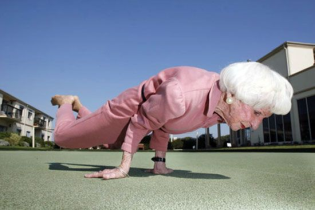
Sure, muscles can help you lift a gallon jug of milk and look good in a tank top. But, muscles do a lot more than that and it is easy to forget about them. You might be surprised just how critical muscle tissue is to overall health. For example:

  • We know that exercise benefits the brain and exercise requires muscles.
  • Muscles help us to be mobile so we can better enjoy life and maintain social networks.
  • Muscles maintain our posture and therefore reduce the risk of skeletal problems and the pain those can bring. (Our chiropractor can put bones back where they belong, but our muscles have to keep them there.)
  • Core muscle strength helps hold our organs in place.
  • A strong core helps maintain balance and avoids falls.
  • Muscles burn fat and help maintain healthy blood sugar.

Wasting away of muscle mass is a gateway to disease and is a typical (but not necessary) sign of aging. Those over age 60 with strong muscles have a 50% lower risk of an untimely death! The medical photos of muscles of a 74-year-old triathlete look just like those of a 40-year-old triathlete. (However, the muscles of a sedentary 74-year-old are not a pretty sight.)

It sure looks like we should pay attention to whether we are building muscles or tearing them down. Increasing muscle mass requires eating adequate high quality protein and a variety of nutrients. Of course, it also requires doing the kind of exercise that uses muscles. (Oops, strong thumb muscles from texting or hitting play on the remote do not count.)

Next week we will begin looking at what the science says about supplements for muscle building; what boosts muscle function and stamina; factors that interfere with muscle building; and what to do about muscle cramps.

Vitamin D dose confusion sorted out

d-levels-sm

There is vitamin D dose confusion. There is NOT confusion about the importance of this hormone-like “vitamin”. Apparently it is important for just about every aspect of our health. For example, the following quote is taken from my Library article on D: “inadequate Vitamin D levels are associated with arthritis, asthma, infections, depression, diabetes and dementia. Researchers also seem to agree that vitamin D helps prevent several cancers, heart disease, autoimmune conditions (e.g. multiple sclerosis), influenza, complications of the flu and in fact, death from all causes.

It seems likely that in children, deficiency of Vitamin D may well be ‘THE [that emphasis was in the original quote] leading cause of cancer, type 1 diabetes, asthma, allergies, atopy [e.g. eczema], and possibly epidemic autism.’1 The elderly should note that Vitamin D increases muscle strength and brain function while reducing chronic pain.”

You are not average. (I don’t mean that in the same sense that some parents constantly tell their children that they are exceptional at, let’s say, playing the violin, when there is ample evidence to the contrary.) I mean that your biochemistry is like no other person’s. Vitamin D provides a good example of why official pronouncements and guidelines can sometimes be nearly useless. That is because they speak to a theoretical “average person”. Below are examples that illustrate my point. They are abstracted from a blog by my friend, an expert on bone health, Dr. Susan Brown.

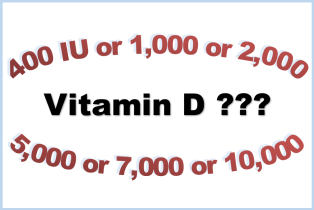
  • One woman in Connecticut had to increase her intake to 8,600 IU for several months to reach the ideal [per Dr. Brown]* blood level of 50 ng/mL.
  • A Denver client had a blood level of 53 ng/mL vitamin D in January when she was only taking 1,000 IU daily.
  • And then there’s Dr. Brown’s experience in central New York. “I was using 2,800 units of vitamin D during the summer and getting lots of sunshine from my outdoor activities, but I still tested at 35 ng/mL in October.  If I had not raised my wintertime vitamin D intake substantially to 5,800 IU/day, I would’ve had a very inadequate level of vitamin D during the winter.”

Until you know how your body reacts, it looks like it might be smart to test your vitamin D blood levels both in the summer and in the winter. If a person isn’t able to be tested, many experts believe that 7,000 IU per day is reasonable to supplement. (I think it is much scarier to be too low than too high.)

*Don’t worry if blood tests show higher than 50. Some experts think ideal is 75+ and there is no real concern up to 100. Click here to read my article for more information and  resources on vitamin D.

1J. Pizzorno. “Vitamin D: Still Learning About Dosi

Supplement benefits are backed by good science

sup gifts small

Hopefully, very few people take it seriously when some of the so-called “experts” imply that dietary supplements are just a frivolous fad based on old wives’ tales. Let me address that last part first. Grandma was an “old wife” and most of what she told us about health holds up under scientific scrutiny. And are they a fad? No, I don’t think so. According to a Gallup survey, cited in the current Consumer Reports magazine, 94 percent of physicians now recommend vitamins or minerals to some of their patients and 45 percent have recommended herbal supplements. Supplement benefits are backed by good science.

Benefits: Supplements could save untold suffering and billions of dollars in disease care costs. Any bottle could be quite an impressive gift of health for the right person at the right time. You certainly don’t need to take my word for it. Just take a peek at government-run websites like www.clinicaltrials.gov and https://www.ncbi.nlm.nih.gov/pubmed/ that show tens of thousands of research studies with positive results on supplements. Those benefits cover virtually any complaint we could have. However, except for just filling in nutrition basics, we may need a nutritionist’s help to figure out what supplements to take because the labels are not legally allowed to say much. (E.g. like the generically gift-wrapped bottles in the photo above.)

Negative results. A study wouldn’t be conducted in the first place if there was not some evidence of benefit. However, sometimes studies do end with a negative result. It would take more space than this whole blog to cover the reasons why. As a start, it could have been one of these flaws: the wrong form of the supplement; the wrong dose; too short a time frame; failure to account for confounding factors; the wrong target group; measuring the wrong outcome; or a silly averaging of dissimilar subjects. Occasionally studies are actually designed to fail. Our nurse friend, Carla, sent a link to a hilarious John Oliver program (Last Week Tonight) highlighting some of the foibles of science. I don’t agree with everything John says (e.g. he has “swallowed the Kool-Aid®” regarding a couple of issues) and the language is a bit rough because it is cable. However, the show is entertaining and insightful. LINK

Why the controversy? What possible motive would there be for actually rigging a study to fail? Sometimes one looks as though it might have been a subconscious effort to protect some researcher’s long held bias and reputation. But, more often, the core reason is money. As you can well imagine, it would not be good for the sales of pharmaceutical drugs if people started solving their problems with nutrients, herbs and homeopathics. The extremely lucrative drug industry exerts tremendous direct pressure and subtle indirect influence on research, regulation, medical journals, medical education, medical practice and the media. So, it is much easier for them to cast doubt on a supplement than to prove that their drugs are more effective and safer. (E.g. if all else fails big pharma can conduct a “trial by press release”.) In a rare moment of transparency on the issue, the Food and Drug Administration’s 1992 Task Force Report on Dietary Supplements it stated that dietary supplements represented a “disincentive for patented drug research.” So be it. If a supplement does the work, maybe they should work on a different drug?

Better supplements = better results. There is risk in buying from fly-by-night companies; in falling for excess marketing hype; and in thinking that cost is the key factor in achieving a good value. (A cheap supplement that is not absorbed and well utilized is actually an expensive choice.) It is safest and most productive to stick with great companies that have done their homework. For example, rather than jumping on every popular trend, Jarrow Formulas picks ingredients and ingredient forms that the research supports. Then they hope to educate consumers about their sophisticated formulas. That is properly getting the horse in front of the cart.

You are not average. RDA’s, DRV’s, etc. and other such guidelines come closer to being useful when listing minerals than they do recommending vitamins. Vitamins are safe in typical supplement quantities even when the amounts are multiples of the RDA number. Since one person may need as much as 100 times as much vitamin C as the next person, it usually pays to take more of a vitamin than the very minimum to make sure you are covered. (Vitamin D provides an excellent example of individual variations and I’ll cover that next week.) Even with minerals, the officially recommended dose might not be ideal. For example, some people need more of a mineral because they get less of it in their diet, or they need more due to life style issues or perhaps that mineral form is not well absorbed. Keeping minerals balanced with each other is very important. That is why, unless a person has had tests run, it is safest to consume minerals in a balanced blend formulated by a reputable company.

PART 2—Supplements—the good, the not-so-hot, and the potentially ugly

masks

Next week I get to cover the more fun stuff—some surprising supplement benefits, pointers on their use and thoughts on why they are still controversial. However, today I had better finish telling the rest of the story about the 15 supplements that the Consumer Reports (CR) September cover article says to avoid.

Kava – I addressed this controversy in the blog on July 28. But, just to quickly review, Kava has a long-held and justly deserved reputation for helping relieve anxiety, insomnia and pain without compromising mental sharpness. The controversy arose when the herb was mistakenly blamed for trouble caused by the careless use of the wrong part of the plant. That carelessness (or deceit) also explains why sometimes herbs don’t work. (E.g. maybe the bark is what works, but a sleazy operator will use the leaves instead because they are cheaper.)

Lobelia – (Hehe…it is also known as “pukeweed”). This herb is used mostly for asthma, congestion and bronchitis. About 80% of the consumer reviews on Lobelia are 5-star. High doses can cause nausea and dizziness. That is not ideal, but in contrast, I am always amazed to hear in a TV commercial for an asthma pharmaceutical stating that one of the many potential side effects is “asthma-related death”.

Methylsynephrine – This chemical does not meet the FDA’s definition of a supplement. It is banned but that doesn’t keep some fringe body building, athletic and weight loss products from slipping it in. When the FDA catches them, the agency stops them.

Pennyroyal Oil – This member of the mint family was added to food in the middle ages and was used by our early settlers to repel rattlesnakes. Although there is a history of use as an herbal medicine, I did not find it for sale as a supplement. Today the essential oil is used as aromatherapy.

Red Yeast Rice (RYR) – This supplement is widely used to lower cholesterol by blocking its production in the liver. Although RYR is generally believed to be safe, it should not be used by persons already taking statin type cholesterol-lowering drugs or by those who have liver disease. CR lists some side effects for RYR. They should mention that those are rare, but with the statin drugs used for cholesterol those same effects are more severe and more common.

Usnic Acid – CR is right. This substance, found in lichens, can harm the liver and serves as a reminder that not everything that occurs naturally is safe to take willy-nilly. However, I was only able to one foreign pill that contains it and two herbal liquids designed for only professional use. So, not something you are likely to stumble on.

Yohimbe – It is not hard to find this herb because it appears in many male enhancement and body building supplements (even from mainstream companies). Yohimbe should be used under doctor’s supervision. I’m not a big fan. A high percentage of pharmaceutical drugs originated as herbs. The herb is safer, but any that are very powerful can also be tricky. I’m more comfortable using herbs for nutrition, prevention and minor issues. Homeopathics are a safe, effective approach that is underutilized.

So, in summary, the 15 warnings given in the CR article delivers more scare tactics than useful information.

Sometimes individual herbs are not an issue, but a combination of several might be. For example, I began corresponding with Carla, an endearing nurse at a prestigious hospital. (She had commented on a newsletter where I mentioned Dr. Linus Pauling who had been a patient). Carla told me that a woman was waiting for a liver transplant because she had taken a “Detox” supplement. (The patient had admitted that she was very sensitive and should have known better.) That supplement package contained over 30 ingredients including some very powerful herbs and laxatives. (BTW, that is not my idea of how to detoxify. I’ll soon have a video outlining a better approach.)

I mentioned to Carla that  I wondered how many liver transplants Tylenol (acetaminophen) was responsible for. Her reply was: “Oh, tons….and I’ve known of several people who needed liver transplants…people even manage to commit suicide with it [Tylenol].” Statistics show that this seemingly safe over-the-counter FDA-approved medicine is the leading cause of acute liver failure. And yet, it is marketed in medicine for children. Sigh…It is a funny upside down world we live in.


Healthy By Nature Show