Archive for the ‘general’ Category

Delicious options for lowering blood pressure

italian cheese

We all know that elevated blood pressure is a serious health risk. This week new research was presented to the Annual Scientific Meeting of the American Society of Hypertension in New York City (and surprisingly scientists discussed some delicious options for lowering blood pressure). One topic discussed is the growing agreement that blood pressure is safer in a range below 120 mmHg. That’s fine and dandy, but the big question is whether drugs are the best way to accomplish that goal. That is the question I also ask about high cholesterol. In my opinion it seems saner to eliminate the fundamental reasons for the increase in cholesterol rather than to use a pharmaceutical sledge hammer to force it down at all costs. Happily, sometimes remedies can taste good.

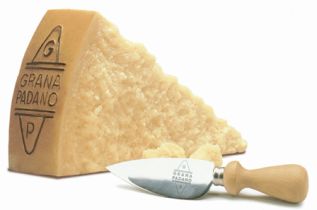
  • A randomized, cross-over, double-blind, placebo-controlled study fed subjects each day an ounce of Grana Padano, a hard Italian cheese on the order of Parmigiano. The study, which lasted two months, achieved a 7-8 mmHg drop in systolic blood pressure and a 5-7 mmHg drop in diastolic blood pressure—similar to what would be expected from a blood pressure drug! It is believed that the improvement is from peptides (short chains of amino acids) in the cheese that have strong angiotensin-converting-enzyme (ACE) inhibitor activity.
  • Worried about the fat in cheese raising cholesterol? Apparently we needn’t be. Other researchers fed subjects 2.8 ounces per day of 27% fat Gouda-type The study finding: “In conclusion, cholesterol levels did not increase after high intake over 8 weeks’ intervention, and stratified analysis showed that participants with metabolic syndrome had reduced cholesterol at the end of the trial.” (I added the bold.)
  • Some studies show that dark chocolate improves blood pressure. Milk chocolate is not quite the same thing and I’m guessing that chocolate-flavored stuff might have the opposite effect. LINK
  • I can’t talk about blood pressure without mentioning aged garlic. People get very good results from Kyolic 109.

I have to wonder if part of the positive effect in these trials is related to our good intestinal bacteria. Maybe those little buggers that do so many important functions for us just happen to like cheese, chocolate and garlic. (By the way, I am serious.)

On the less fun side, while we’ve been told that moderate alcohol consumption in healthy persons may reduce blood pressure, a new study shows that it may raise blood pressure in those whose blood pressure is already high.


Why are women sicker than men?

scrip

Why are women sicker than men if they live longer…worldwide? That disparity is due in part to the fact that men more often have risky professions such as warriors, police officers, steel workers, stunt drivers or bank robbers. They also more frequently have dangerous hobbies. Females have also an edge because we didn’t smoke as much as men and that has reduced the risk of heart disease and cancer. (However, more guys than gals have quit smoking so that gap is narrowing.) There also appear to be genetic and hormonal reasons for women being more resistant to aging. I wouldn’t be surprised if scientists found that women live longer because if they are responsible for the household, they never really retire in the same sense that a business executive does. (A strong sense of purpose seems to be a positive longevity factor.)

Women not only live longer, but we also believe they are more health-conscious and often look after the health and nutrition of the whole family. According to the myth, we’re at home doing exercise videos, eating salad and daintily sipping our green tea. (In truth women are now more likely to be stressed from juggling a career and home life.) Per the corresponding myth, the male of the species is vegged out with his buddies in front of a big screen watching a game, washing down his hot wings and deep fried chips with a beer before lighting up a cigar. (Again just a stereotype.) Myths aside, women actually do pay more attention to health matters, yet still spend more of their lives being ill.

Shockingly, at least part of the blame for that increased illness may be simply that women are obedient and do what the “experts” tell us to—even when the advice is flat-out wrong. For example, more than men women bought into the folly of the fat-bashing food pyramid.  Females also make twice as many trips to the doctor. Some of those trips are because of pregnancy, but the ladies also get more general checkups and appointments for concerns that can lead to over-treatment syndrome. (I didn’t make up that term—it’s creeping into the medical literature as caring/thinking docs take a fresh look at the current state of medicine.) Women may often be over-medicated and worse yet, detoxify drugs more slowly. It is quite concerning that women in certain age groups are prescribed up to 40% more antibiotics than men.

In my book The Probiotic Cure, I discuss the dark side of antibiotics. Of course they can save lives, but in addition to creating vaginal yeast infections, increased use of antibiotics is linked to increased risk of breast cancer. Women suffer more headaches, joint pain, back pain, osteoporosis, allergy problems, skin issues, and digestive complaints than men. Females are also twice as likely to suffer depression. Depression can result from abusive relationships, but also from over treatment and certain medications. Which brings me back to antibiotics. All those symptoms I listed above can be linked to disturbed microbes in the intestinal tract. For one thing antibiotics kill good bacteria and foster the growth of yeasts that release poisons (mycotoxins) that are capable of producing all of those symptoms and more.

It may be no coincidence that women are 3 times as likely to be diagnosed with an autoimmune disease. There are over 100 autoimmune conditions where a person’s immune system begins attacking the body’s own tissues. You know these diseases by names such as rheumatoid arthritis, lupus, multiple sclerosis, and autoimmune thyroiditis. The party line is that autoimmune diseases have “no known cause” and “no known cure”. The symptomatic treatment typically offered is anti-inflammatory medication that has very scary side effects.

Along with many doctors of natural, integrative and/or complementary medicine and a growing body of science, I believe that women have more auto-immune problems because of issues in the digestive tract caused at least in part by antibiotics. The disruption in gut microbe balance by antibiotics can lead to a deterioration of the lining of the intestinal tract. At that point, not only is nutrient absorption reduced, but also unwanted substances can escape into the bloodstream. Our immune system can become confused by these substances and begin attacking healthy tissue. My book has much more on the prevention and relief of this condition, but you can see an illustration of “leaky gut” at this link.

When our good bacteria are killed off, we don’t simply suffer the effects of yeast overgrowth and leaky gut, we also miss out on the many crucial contributions our beneficial bacteria would ordinarily provide to our chemistry. These “critters” manufacture vitamins as well as support digestion, absorption, detoxification, hormone balance, immune function and up to 20,000 needed biochemical reactions that affect the brain, heart and every other system.

The Probiotic Cure contains a great deal of information about the overuse of antibiotics and how to protect ourselves. But, here is a really basic tip: do not take antibiotics for viral conditions like colds and flu because they are useless in those cases. (Rarely, patients in extremely fragile condition may be prescribed antibiotics to prevent a secondary infection.) If you must take an antibiotic, take probiotics starting immediately but at a different time of day. Then continue probiotics for at least 3 months afterward to help restore balance. Note: other medicines can also damage good bacteria.

Copyright Martie Whittekin 2010, 2014 and 2016

Get to the root of wellness and of health problems

root cause 72

When we feel especially fantastic we probably just count our blessings and enjoy the ride. But, perhaps we should pause to reflect on why we feel so good. Then we could do more of whatever is having that effect. Did we get more sleep than usual; eat better; drink more water; get more exercise; reduce stress; and/or start a new nutritional supplement? We really should get to the root of wellness and of health problems.

If we feel rotten and go to a doctor, wouldn’t it make sense for her to investigate and understand the root cause of our problem so it can be fixed? Unfortunately, due to the rushed nature of most medical practices, insurance factors and the limitations of medical training, the usual approach is to simply medicate the symptom into submission. I have yet to think of a disease that is, at its root, a deficiency of a pharmaceutical chemical.

Here is a hypothetical example of what it means to get to the root of a health issue:

  • Let’s say that a patient goes to the doctor and tells her only that he is feeling tired and is gaining weight because those are his main concerns.
  • Routine blood tests are done. In our pretend case, the test comes back showing nothing that explains the complaints, but does indicate high cholesterol. Therefore, the doctor writes a prescription for a cholesterol-lowering medication. (I don’t have space here to talk about the slippery slope of drug side effects and the need for more medications for those effects. Nor will I get into the exaggerated and misunderstood issue of cholesterol and heart disease.)
  • Perhaps a follow-up blood test shows that the patient’s cholesterol numbers have improved. The doc is happy. However, since the root cause of the patient’s symptoms was not addressed, he is still tired and overweight. Had the patient been asked questions like those on my thyroid survey, he might have mentioned that he also has constipation, blue moods, memory problems and thinning hair. That would have painted a more enlightening picture for the doctor…one that suggests a thyroid insufficiency.
  • Low thyroid can cause high cholesterol. So, had the physician addressed the under-functioning thyroid problem first before medicating the cholesterol, she might have solved a whole bunch of problems and prevented future health crises. I should note that the standard blood test given at the first visit probably included a measure for thyroid–the TSH test. Unfortunately, as I describe in my article on thyroid, that test does not reflect all of the ways that system can malfunction. For example, the guy may make enough of the storage form of thyroid hormone, but not adequately convert it to the active form. A “normal” TSH can give a doctor a false sense of security.
  • But, we probably shouldn’t stop there in our digging for root causes. What caused the thyroid problem? Going these extra steps is where functional medicine shines. For example, the sluggish thyroid could be caused by inadequate intake of iodine which the thyroid gland needs to make thyroid hormone. Or there could be insufficient intake of other nutrients needed by the system such as selenium or vitamin A.
  • The thyroid gland could be struggling because it is sensitive to gluten or is carrying a load of toxins from bad dental work or from smoking.
  • Doug Kaufmann would point out that an overgrowth of yeast in the patient’s system could have caused his own immune system to attack the thyroid gland (autoimmune thyroiditis). (Going back even another step, the yeast overgrowth could have been caused by antibiotics and/or a diet high in sugars and starches.)
  • Experts who understand the mind/body connection might suggest that if a person stifles their self-expression could put a physical strain on the thyroid. I saw such an example. A singer who was health when she sang and had thyroid trouble whenever she stopped singing to teach.

Giving our fictitious patient an espresso for energy and a diet pill would not help all the other systems that depend on a strong thyroid (such as immune function). It just makes sense that the more we can learn about the root of a problem, the more likely we are to solve it permanently without drugs…and to avoid other problems that might come from the same inadequacy or overload. Even the best docs can benefit from our observations.

Zika Info and Strategies

zika

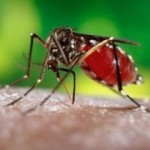
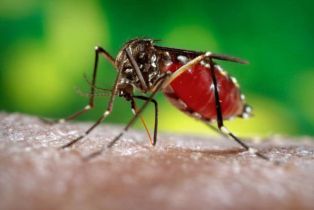
These days the evening news continues to add to public concern about the mosquito-borne virus, Zika. It is indeed heartbreaking to see the photos of babies with unusually small heads that are a common birth defect for mothers infected with the virus. It is also upsetting news that the virus can be transmitted sexually and can cause adults to contract Guillain-Barré syndrome. (That is a potentially paralyzing neurological condition that has also been rarely associated with getting flu shots.) While the government argues over how to most effectively invest money to solve the problem and develop a vaccine, I want to put some of this in perspective and offer a few suggestions for avoiding/dealing with the problem. Key Zika info and strategies:

  • According to the Centers for Disease Control, “No local mosquito-borne Zika virus disease cases have been reported in US states, but there have been travel-associated.” This link shows the current travel risks and precautions.
  • The type of mosquitoes that can carry the virus is found in southern US states, but mosquito control is better here than in the tropics. Eliminating standing water around our property will help the most to keep mosquitoes from breeding in our neighborhoods. Saucers under plants are a common spot for standing water, but even a bottle top of water is enough to hatch eggs (I might have said “thimble full” but who sews any more?). Howard Garrett (the Dirt Doctor) lays out a whole mosquito-control program in this past newsletter. It makes sense to wear protective clothing and mosquito repellent outdoors in any part of the country because mosquitoes carry other diseases such as West Nile Virus.
  • There have been no reports of Zika entering the medical blood supply. However, the FDA offers this advice to health professionals to avoid future problems.
  • As with most any disease, among those infected, only a relatively small percentage experience the ill effects. The most likely explanation for that is: those who do not get ill have stronger immune systems. My article on building immunity lists a number of actions to take that will also improve the way we feel and prevent many chronic diseases even if we are not exposed to an infection.

So, in summary: Protect your home and yourself from mosquitoes. Stay healthy in general (what is the possible downside of that?). Women should ask your doctor if the risk is still high before having even protected sex with a man who may have traveled to tropical climates—especially if you are or could become pregnant.  Stay informed if you plan to travel. Don’t get unnecessarily stressed over the news because that isn’t good for your health!.

Avoiding sunshine may shorten life as much as smoking

sunshine happy

There are a great number of ways to reach misleading conclusions from scientific studies and then take inappropriate health steps as a result. For example, in Fat Free Folly I discuss the disastrous ideas that came out of studies about heart disease and fat in the diet and are at the root of today’s twin epidemics of obesity and diabetes.

Another example of short-sighted science just came to my attention. It does seem to be a fact that cancer risk increases with age. E.g., the longer we live the more likely we are to contract cancer. (No, we don’t want to die young just to prevent cancer.) At first it also seems factual (“everyone knows”) that we should stay out of the sun to prevent skin cancer, right?

Well, as it turns out, it isn’t that simple. That’s because one reason people who are exposed to the sun have more skin cancer is because they live longer. That becomes a major reason to have increased odds of getting skin cancer! They live longer because sunlight exposure reduces the risk of cardiovascular disease and other diseases.

In a 20 year study of 30,000 women the scientists came to the startling conclusion that sunlight is like a nutrient. Avoiding the sun had about the same negative effect on life expectancy as smoking! Let me repeat that: Avoiding sunshine may shorten life as much as smoking. Over the period of the study those who avoided the sun reduced their life expectancy up to 2 years. LINK TO STUDY

The benefit of sunlight is not just from the vitamin D our skin forms. There is also energetic power in the far infrared wavelengths of sunshine that in essence recharges the water in our cellular batteries…We are much more like plants than we might have imagined.

But what about skin cancer and sun damage to the skin? I believe that one piece of the puzzle is How we are exposed to the sun. Getting vitamin D from the sun regularly with controlled sun exposure boosts immune function which would in turn fight off cancer. However, getting burned or sunbathing in long periods periodically overpowers that immune protection with excess radiation. Also, our ancestors who ate a natural diet with plenty of plant antioxidants got internal sunscreen protection from the damaging rays. Note: vitamin D forms mainly when the sun is relatively high in the sky, but some of the other benefits of sunshine can be enjoyed early and late when the sun is less likely to burn.

Taking vitamin D as a supplement and using a far infrared sauna may not offer all the benefits of sun exposure, but surely it would help.


Crunchy solutions to carb cravings

oreo question72

Snappy snacks

Perhaps you have the same problem that I do. Massive nutrition research quite clearly says that we all need to cut back on refined carbohydrates such as “foods” made with flour and sugar. (I put foods in quotes because they are edibles that come from factories and do not occur in nature.) Eating high quality proteins, good fats, lots of vegetables and a few fruits may lead to superior health, but they don’t always satisfy a particular hankering. Of course, I should note that when we have a nearly overpowering craving for sweets and starches it may well be an overgrowth of yeast sending out its lunch order. Those cravings we had better tame at their source. Here I’m talking about a more innocent itch for something crispy and crunchy that a cucumber just doesn’t scratch. An Oreo or some potato chips might fix it, but they are obviously not healthful foods and our friendly bacteria don’t like them. Fortunately, there are healthful crunchy solutions for carb cravings.

Last night I added a new treat to my selection of acceptable snappy snacks. At Costco I spotted a big bag of Bare Fuji / Apple Chips. These taste decadent but they aren’t. The only ingredient: organic apples. True, eating a fresh apple would be better, but those are not always handy and a few of these chips kept me from looking around for something evil. Apples are 84% water, therefore, by my calculations, the Costco bag of 14 ounces of chips is equivalent to about 5½ pounds of apples. So, depending on where you live and what produce you have access to, these chips seem pricey but may actually be half the cost of the fresh organic variety. Buying the tiny single servings shown on the supplier website is not such a good value but Costco didn’t show the big bag on their site.

Dried vegetables are a similar idea. You’ve probably seen dried green beans or carrots at the market. Those are okay but less than ideal because they are usually fried and coated with dextrin (a food coating made from starch). They also contain salt which is an issue for some folks. I recently discovered some very attractive and better-tasting assorted vegetables (green beans, carrots, purple sweet potatoes, okra and shiitake mushrooms) that are crisped at a low temperature. The brand is “My Snack” a variety of types come in screw top plastic jars. The other ingredients include maltose (similar to dextrin), rice bran oil and salt. They seem much less oily. This product comes from China and I wish it was organic, but, hey, at least it isn’t an Oreo.

Another staple in my snacking hoard is Go Raw Ginger Snap “Cookies“. These are nicely crunchy, flavorful and slightly sweet from the all organic ingredients: coconut, sprouted sesame seeds, dates and ginger powder.  4 cookies combined contain about ½ tsp of sugar (naturally-occurring…mostly in the dates). They are sold in natural and gourmet stores. Go Raw also makes a spirulina bar that often serves as my lunch on the go. Spirulina is an algae (vegetarian) that is high in protein and nutrients.

I have noticed than when I am well rested, well-hydrated, supplementing minerals such as magnesium and have eaten a meal with adequate protein and good fats, I’m less likely to crave even the foods above. In that more ideal situation a frozen grape or a piece of xylitol gum might suffice even for dessert.

Drug caution advised, especially for seniors

???????????????????????????????????????????????????????????????????????????????????????????????????????????????????????????????????????????????????????????????????????????????????

We are each unique… right down to the assortment of bacteria in our intestinal tracts. Unfortunately, that fact is often overlooked when medications are prescribed. Of course some drugs save lives, but obviously most are associated with potential side effects—some quite serious. The system needs to become much more nuanced in deciding how much of what to prescribe to whom. Women react differently to meds than men and that most drug testing has not included women has caused trouble. Older individuals process toxins such as pharmaceuticals differently than younger ones. Seniors sometimes have a reduced response to drugs but often experience a much greater reaction. Complicating matters is the fact that very few drugs have ever been tested in combination with other drugs. More than half of Americans take 2 drugs and 20% routinely take five or more. There have been no clinical trials I know of to test the safety of the poly-pharmacy chemical soup so many Americans are ingesting.

While the practice of medicine is figuring out these details and escaping the overpowering sales pressure of the pharmaceutical industry, we must protect ourselves. Drug caution is advised especially for seniors. I’d start by asking if any symptom a person has is possibly being caused, not by age or bad genes, but rather by some medication he or she is taking. (There are usually safer substitutes.)

Here are some resources that might help:

Drugs that are potentially not appropriate for seniors

My article on drugs. It has more resources.

Look up the type, side effects, instructions on meds Don’t forget to look up over-the-counter medications because they have side effects…here is a tiny sample: Tylenol / liver damage; Aleve / intestinal bleeding; Nexium / dementia, hip fracture, kidney disease, etc.

Look up interactions.

An article entitled “Are Psych Drugs Killing 500,000 Seniors?” This is especially sad when we know that nutrition interventions like B-vitamins, magnesium and fish oil are so much safer and in fact offer fringe benefits.

Give vitamin K2 a little respect

k2 small

Given its importance, it is quite surprising that we don’t hear more about Vitamin K2. We need to give vitamin K2 a little respect. One scientific paper said this: “…vitamin K2 deficiency…is a factor in several chronic diseases like diabetes, osteoporosis, cancer, inflammatory and cardiovascular diseases. This deficiency is very common in the mentioned diseases although it is rarely treated by clinicians.” Other experts note the crucial role of K2 in dental health, arthritis, kidney calcification and fertility. (Recently excess calcium has been blamed for worsening cardiovascular disease and other problems, but the problems may be just as much due to a lack of vitamin K2.) I was thrilled to receive this email from one of our listeners.

Martie:

A few years back you interviewed, Dr. Kate, concerning her book on vitamin K2. I bought the book and did some due diligence to locate a reliable K2
source.

At the time [I] was being “treated” for bilateral carotid stenosis [hardening of both arteries in the neck] and was assured by my health care professionals there was no way, other than surgery to remove the plaques.

Two years ago I started the K2 regimen.  The latest ultrasound examination in January, 2016 showed decreased blood velocity [a good thing] and no stenosis.  Next January I’ll have another Ultrasound examination and if it reveals no stenosis then I will ask why I am being treated for a disease that is no longer manifest.

Thanks to you for the information you provide.  You probably saved my life because they were talking about surgery as the only real cure. And, as I am sure you’re aware, carotid surgery is very dangerous.

Dave

There has been a lot of positive research on this topic, but one recent study of supplementation of K2 failed to show significant improvement in cardiovascular health. However, the six-month trial may not have been long enough and the abstract did not say what dose was used. Studies of bone chemistry typically recommend at least 100 milligrams a day. Vitamin K2 is only found in animal foods. We get another type, vitamin K1, from green leafy vegetables and broccoli. If…IF we get plenty of that and all our body systems are working up to snuff, we can convert some of that to the K2 form. The best type of K2 to supplement is MK-7 such as in this product from Jarrow.

Resources:

An important piece of the prostate cancer puzzle

puzzle

There seems to be a major tactical error in the “war on cancer”. They are looking for a cure. That is “a” as in one magic bullet. The problem is that like many other diseases, cancer is complex. It is usually the result of many things being wrong. While our genetic deck can be a predisposing factor, our diet and lifestyle determine which cards are played. Something as simple as a toxin (e.g. smoking) or a needed mineral (see selenium below) can turn genes on or off and can therefore be an important piece of the prostate cancer puzzle…or the missing piece in other cancers, heart disease or Alzheimer’s.

Good news:

As you have likely heard, prostate cancer screening is controversial. That is because the real threat is the fast-growing aggressive form of prostate cancer. Unfortunately, screening increases the use of risky treatments for less concerning slow growing cancers. (Men may die of old age before they do as a result of the slow growing type.) Here is the good news: In a study of 1,800 men, it was found that higher intake of antioxidant nutrients reduced the risk of the men suffering those more aggressive prostate cancers by an astounding 64-72%. And, it did not matter whether they got the antioxidants from diet or a combination of diet and supplements. Researchers looked at 42 different antioxidants. (Most people might be surprised to know there are that many!) STUDY

Sadly, the public is often scared away from many useful antioxidants. Here are two examples:

  • In an exciting interview with Dr. Richard Passwater, the researcher told us about a large randomized trial showing that a particular type of the antioxidant mineral selenium reduced prostate cancer 63%. It also cut cancer deaths in half and dramatically cut the incidence of other cancers (e.g., colon cancer by 58%, etc.). The study used selenium yeast (methylselenocysteine) which is the same type found in broccoli, onions and garlic. Sadly, when the National Cancer Institute began a study supposedly to “replicate” the research, they used a different kind of selenium and reported no benefit. Other selenium supplements such as the more common selenomethionine (as used in the misguided study) and sodium selenite have not been shown to have this dramatic effect. Follow the link to see an example of the correct form of supplement.
  • The “SELECT” trial and a follow up implied that not only was the antioxidant vitamin E unhelpful for prostate cancer, it might even cause more trouble. However, they didn’t use a natural form of vitamin E. They used just a single component rather than the whole family of vitamin E types. The chemical form they used (rac-a-tocopheryl acetate) has been shown to be only ½ as helpful as even a similar form found naturally in food. Many experts believe that the pills they used in the study blocked the protective effects participants would have enjoyed from natural complex vitamin E (mixed tocopherols including alpha, beta, delta, gamma forms plus Tocotrienols) as is contained in Jarrow’s FamilE.

This looks like a pattern to me. What’s more, all these antioxidants work together in teams, so any time you supplement just one, such as beta-carotene, you are asking for an imbalance and trouble. There are many many more puzzle pieces. For example, in my new book I mention the link between antibiotic use and prostate cancer. Also, prostate cancer patients have been shown to be lower in vitamin D than healthy subjects. My article on pancreatic cancer might provide a good model. A lot of the same protective factors and risks apply. It is good news indeed that detoxifying and getting good balanced nutrition is protective against most of our health complaints and disease risks.

Death by expert advice

??????????????????????????????????????????????????????????????????????????????????????????

How can I say “death by expert advice”? In recent decades the diet “dictocrats” (e.g. the government, doctor groups, institutions such as disease-specific charities and well-meaning consumer groups) encouraged the population to avoid dietary fats. The “experts” even warned us about eggs which I consider a near perfect food. Folks turned instead to carbs (most of them refined junk). The effect of that unfortunate advice (which was not based on science) was an epidemic of obesity, diabetes and increased risk for heart disease and cancer. We have literally been experiencing death by expert advice.

The 2015 official government-backed Dietary Guidelines do contain some good advice–e.g. to cut down on intake of sugar. The guideline “gurus” have softened their position on eggs somewhat and are slowly backing away from condemning fat in general. But, they have hung onto biases in favor of restricting salt and saturated fat. However, there are glimmers of hope that we are headed toward a more rational and historically defensible diet.

There never has been good science showing a link between saturated fat intake and heart disease. Likewise, there has not been strong evidence that saturated fat raises blood cholesterol levels. (For that matter, there isn’t even good support for the practice of lowering blood cholesterol as primary prevention of heart disease.) Now a study of 35,000 Dutch citizens actually turns the saturated fat edict on its head. I like the way People’s Pharmacy (PP) summed up the results on their website: “The [study] authors concluded that people who consumed high amounts of saturated fat were not at a greater risk for coronary artery disease. In fact, those who ate more foods containing saturated fatty acids were actually LESS likely to develop clogged coronary arteries. If people consumed highly processed high-carb foods instead of eating saturated fat, their risk of heart disease climbed significantly.” [I added the bold and caps.] Read the short PP article. Of course, this news doesn’t give us license to pig out on junk food because it often contains sugar and chemicals in addition to the butter or other saturated fat.

I have often wondered where the government’s Dietary Guidelines Advisory Committee gets the information that it bases its recommendations on. Well, apparently so did diligent Mayo Clinic Researcher Edward Archer, PhD, MS (article one and article two). Here is my summary of what he found:

  • The Scientific Report of the 2015 Dietary Guidelines Advisory Committee (SR2015) was based on studies that simply asked people in interviews and surveys what foods they had eaten.
  • Science has not proved that gathering information from people’s memory is reliable. In fact, most evidence seems to say exactly the opposite. Using 2 independent methods Dr. Archer showed that in a major study that is often used as a reference for guidelines (the National Health and Nutrition Examination Survey or NHANES) up to 88% of the calorie intake estimates appeared to not be plausible or even capable of sustaining life.
  • The way some of these study inquiries are structured actually encourages people to recall intake incorrectly.
  • There is no way to independently cross check or duplicate the results of that kind of investigation. That means the method isn’t considered science.
  • Also, the physical activity component was not adequately addressed.
  • In a letter, Dr. Archer stated his belief that making public policy based on conclusions from the shaky recall method is “a scientific fraud and a waste of taxpayer funding”.

It could be worse. Because people change behavior based on these official guidelines they can actually result in death by expert advice. Even if you and I know better than to follow errant advice contained in them, a wide variety of public policies reflect them…including food labeling laws, school lunches and subsidies of many kinds. I wish our presidential candidates could be persuaded to discuss this type of high-impact issue instead of the nonsense currently being “debated”.


Healthy By Nature Show