Archive for the ‘general’ Category

Vitamin D controversy

????????????????????????????????????????????????????????????????????

The vitamin D controversy continues. We last discussed vitamin D in an October blog about how low levels of D are linked to earlier dementia. If I talked about Vitamin D every week I wouldn’t soon run out of things to say. For example, if you search the government’s science database for “vitamin D” it returns over 66,000 papers. It is hard to name a chronic health complaint that is not linked to low vitamin D. With all that scientific study I’d think there would be some consensus about what we need…but I’d be wrong. The gurus tell us to stay out of the sun in order to avoid skin cancer and to avoid supplementing vitamin D.

Unfortunately, they can’t have it both ways. Our bodies make vitamin D in response to sunshine. It seems that we must have D for virtually every function in the body and it was the original plan that we would have ample sun exposure. (The plan also called for us to be protected against sun damage by a diet rich in internal sunscreen from plant foods.) To get sufficient vitamin D means having a lot of skin exposed to mid-day sun for 15 minutes to 2 hours depending on skin color (dark skin needs more). Modern life doesn’t make that easy for most of us, so bring on the supplements.

The vitamin D controversy may stem from orthodoxy’s gut level bias against supplementation and results in many mainstream docs seeming to have an irrational fear of them. Thankfully, many now at least do test for vitamin D. And, I’m happy that the test reports have gradually started listing higher minimum levels. However, most nutrition-oriented physicians are interested in achieving optimum levels of at least 40 ng/mL and probably more like 60-80.

In the recent shamefully inaccurate and one-sided Frontline report that slammed supplements, one of their guests recommended daily doses of vitamin D that are unlikely to get anywhere near those optimum blood levels. Oddly, when tests report low levels, many physicians prescribe periodic whopping doses of 50,000 IU which is not at all the way the body would naturally acquire vitamin D. In light of the benefit and low risk of side effects, most experts with an open mind to the research and a base of clinical experience recommend at least 2,000 IU a day and more often 4,000 to 7,000 IU. But, it is a very personalized matter and blood tests should reveal if a person’s supplement plan is working.

Here are some recent tidbits that I thought were interesting:

  • A study found that higher levels of vitamin D were linked to lower risk of lung cancer. There was even a predictable dose-dependent association—as the blood levels went up, the risk went down. STUDY
  • The People’s Pharmacy newspaper column printed a letter from a reader who said that she had widespread joint and muscle pain (fibromyalgia) and burning hands. Symptoms were vastly improved when she got her vitamin D levels into a good range. (Incidentally, that took 7,000 IU/day.)
  • Having fat in a meal significantly improves the absorption of vitamin D supplements. STUDY
  • On the other hand, body fat can reduce levels of D because our fat cells seem to soak it up.
  • Vitamin D needs help from other nutrients such as the minerals Magnesium (another nutrient I could talk about every week), Zinc and Boron as well as the vitamins K and A.

If your doctor is not a vitamin D enthusiast, perhaps you can direct her or him to the non-profit Vitamin D Council for data about its role in prevention of many cancers, heart disease, diabetes, depression, infections, autoimmune diseases, autism and even premature death.
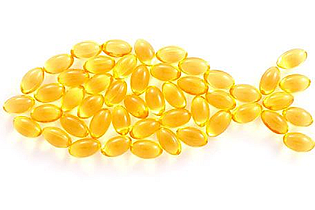
Fish oil flim-flam. Who is at fault?

fish oil smallWhen we hear a news report saying that fish oil does not have any positive effects, are we supposed to think that we’ve been taken advantage of by the supplement maker? Fish oil flim flam? Who is at fault? I believe it is the media that we should be annoyed with. Omega-3s are one of the most heavily researched nutrients in the world, with over 27,000 published studies—including 8,000 human clinical studies on health issues such as cardiovascular disease and brain function. The results are overwhelmingly positive. So, shame on the journalists for not treating the occasional negative report with the suspicion they deserve. Except for what appears to be a blatant general bias against dietary supplements, they might provide proper context for the “news” and report reasonable explanations for the surprising results. (See my thoughts on that below.) But, these newspapers and TV shows attract attention and make money when they sensationalize a “man bites dog” kind of contrarian story. So, sadly they too often make it seem that what is really an exception to the rule is information to act on. Someone really should hold these media outlets accountable for the harm they do consumers by dissuading them from protecting their health with supplements.



Nordic Naturals, my favorite fish oil company has sponsored 40 well-designed studies on its own products and has 40 more underway. Good for them! But, as noted there are thousands of scientific articles on fish oil supplementation that were not done by manufacturers. Here are three recent ones that caught my eye:

Omega-3 levels affect whether B vitamins can slow brain’s decline. B vitamins have been shown to slow or prevent the decay of the brain and memory decline in people with mild memory problems. The benefit of B’s was most pronounced in persons with above average blood levels of homocysteine, a factor that may be toxic to the brain. Also, those with the highest blood levels of omega-3 fats benefitted most from intervention with the B’s.

Correcting omega-3 deficiency improves psychiatric problems. The research noted: “studies have consistently observed low erythrocyte (red blood cell) EPA and/or DHA levels in patients with major depressive disorder, bipolar disorder, schizophrenia, and attention deficit hyperactivity disorder.” Improvements in those conditions were found with supplementation.

Supplementation with omega-3/6 helps ADHD as much as Ritalin and similar drugs. There were fewer side effects and we might expect to see other health benefits as bonuses.

Are there negative studies? Yes and here are some reasons: Studies can use the wrong dose; too short a time period; or even the wrong form of the nutrient. (Sometimes it looks as though they want the experiment to fail.) Recent reports about oxidized (rancid) fish oil products that are being sold might explain some negative studies on fish oil. If the product used in a study was just plain spoiled, it would not only fail to produce good results, it might even show harm.

Those are certainly not issues you will find with my favorite brand, Nordic Naturals. Their quality controls are exhaustive. They meet the highest standards for Good Manufacturing Practices and test their oils up to 82 times from first catch to finished product. To assure freshness and freedom from the oxidation, Nordic maintains an oxygen-free environment throughout the path the oils travel. I don’t advise settling for any other brand.

Heartburn drugs are in the news

heartburn

Heartburn drugs are in the news because of recent research:

Based on the huge amounts of money being spent on TV commercials for Nexium, Zantac and the like, heartburn and acid reflux are still really big business. In my book, Natural Alternatives to Nexium, I discuss the serious dangers from using those drugs for more than a couple of weeks a couple of times a year. The book also covers the root causes of the discomfort and fixes for the basic conditions. I’ve been told it is a useful digestion manual and perhaps that is why I’m happy to say it has become a national best seller.

If you know people with heartburn, GERD, acid reflux or Barrett’s esophagitis, please send them a link to this Library and suggest they look in the digestive section. 

Incidentally, as shown in the photo, at the first sign of heartburn a sip of water might help to rinse the acid off tender tissues. However, larger amounts of water may delay stomach emptying.


Winter blues

sad

Winter blues are more than the letdown of going back to normal life after the excitement of the holidays. We know that the shorter days and less sunshine lead to Seasonal Affective Disorder with the convenient abbreviation SAD. Because we make vitamin D from sun exposure and vitamin D insufficiency is linked to depression, it makes sense to seek out the sun, take supplements or at the very least get tested to make sure you are in the optimum range.

SAD is also the acronym for the Standard American Diet. I’m pretty sure the two are connected. Our holiday eating binge may well have put a kink in our chemistry and here are a couple of examples regarding the diet mood connection:

  • Four weeks of supplementation with a multivitamin resulted in significantly improved mood when compared to subjects on a placebo pill. STUDY
  • A review of other studies revealed interest in green tea, cocoa, omega 3 fats, resveratrol and B-vitamins as an alternative to medication for depression. The abstract noted of course that more study is needed, but also that the prescription drugs for the condition are often not completely effective and have serious side effects. STUDY

For garden variety blues, what could it hurt to eat better, drink green tea and supplement with a multivitamin, vitamin D and fish oil while they continue the research?

Are you drinking enough water?

?????????????????????????????????????????????????????????????????????????????????????????????????????????????????????

One of the most powerful New Year’s resolutions and probably the easiest may be to simply drink more water. Virtually everything the body does requires water. So, if we gradually build a water deficit, normal processes can slow down or even grind to a halt. After all, next to oxygen, water is most vital to life on this planet. The website WaterCure.com lists these stats: muscles are 75% water; blood is 82% water; lungs are 90% water; the brain 76% water; and even bones are 25% water.

It is easy to understand that if we don’t have enough water in our system these easily noticed common symptoms might show up right away:

  • Fatigue
  • Hunger
  • Constipation (Taking fiber and not enough water may make matters worse.)
  • Headache or increased pain from any problem (e.g. neck or back.)
  • Chapped lips

But there is much more and some of it pretty darn important. In his book Your Body’s Many Cries for Water, F. Batmanghelidj, MD* says that solving chronic dehydration can lead to major improvements in these health challenges:

  • Premature aging
  • High blood pressure, high cholesterol and other risks for heart disease
  • Asthma
  • Diabetes
  • Morning sickness
  • Weight gain

Help reduce weight gain? Yes. Not only does staying hydrated help our metabolism function more normally, it also lowers appetite. (We often think we are hungry when we are actually thirsty.) I’ve heard folks say they didn’t want to drink water because they were retaining fluids. Surprising water often helps because it acts as a diuretic. Drinking more water protects our kidneys, because more concentrated sludgy urine stresses the kidneys. Water helps digestion when taken 30 min before the meal. (A lot of water with food dilutes digestive juices.)

You will hear some mainstream medical gurus say something like this: “Just drink when you are thirsty.” I think that advice is too simplistic. We can lose our sense of  thirst or begin to ignore it or confuse it with hunger. The old adage is to drink 8 glasses of water a day—again, over simplified. Surely a linebacker needs more than a 90 pound granny. Plus, glasses come in all sizes. A more nuanced approach is reflected in this formula: Divide the body weight in half and drink that many ounces of water. For example, a 200 pound person would drink 100 ounces or about 3 quarts. But, that plan also needs to be modified. If a person eats a lot of juicy fruits, vegetables, and soup, they will need less water. Obviously, someone doing roofing work in Texas in August might need more. Caffeinated and sweetened beverages do not seem to help hydration and, if they have diuretic effects might worsen it. The color of our urine is a clue. It should be pale (unless you just took your B vitamins which will make urine bright yellow.)

So, what is the answer to the question “Are you drinking enough water?” Maybe = “yes” or maybe = “no”. (More often “no”.) The bottom line seems to be this: It takes time to re-hydrate so start slowly and simply see how you feel when you drink more water than you had been. It is a personal matter and all I can say is that when I stop paying attention to water I don’t feel nearly as good. When you decide what your target is, drawing a pitcher with that amount in the morning can act as a reminder. And, of course, make it pure filtered water. If you want a pitcher type, this filter pitcher is the best I’ve seen.

Too much of anything can be toxic. Drinking massive amounts of water can be lethal because it dilutes electrolytes. In importance after oxygen and water come sodium and potassium. So, be aware that as you increase water you may need to take in more salt and potassium. Be especially wary if you are on a low salt diet and do’’t eat abundant fruits and vegetables that are a source of potassium. If you have a disease, please ask your physician for advice. The article at this link by the late much revered Nick Gonzales, MD fills in interesting details and case histories.

*I was privileged to interview this ground-breaking physician on the Healthy by Nature show years ago. If you are a regular listener to the program you know that I often struggle with unusual names. You can just imagine how I did with this one. Dr. Batman it is.

What does Healthy by Nature really mean?

Justice concept. Gold scales on white isolated background. 3d


Obviously Healthy by Nature (HBN) is the name of this website, my radio show and newsletter. It is also the belief system that is the basis of my books and lectures. It is easy to toss that phrase around, but what does Healthy by Nature really mean? As we head into a new year it seems like a good time to clarify that. Just as the name implies, I believe that we are designed by nature to be healthy; to have abundant energy; to enjoy a cheery outlook; and to live a long and productive life.

Hmm…Then why are so many Americans sick, tired and out of sorts? It seems to be because we are out of balance and have lost track of simple rules in our “instruction manual”. The “prime directive” (yes, I know that is a Star Trek reference, but I don’t know the Star Wars equivalent) is to give the body sufficient amounts of everything it needs for optimum function and avoid burdening it with things that can gum up the works.

Staying well by obeying the laws of nature may sound simple but it is by no means easy. The finer details of those rules are often lost in an increasingly complex world. The goal of my work is to show how the tiny decisions and little steps we make every day can be tweaked to lead us to a lifetime of vitality.

Giant leaps to perfection are not required. We can start where we are now and go at a comfortable pace…as long as the direction is toward optimum health. Also, since each person’s genetics, history, environment and chemistry are unique; I usually aim to offer several options instead of one-size-fits all plans.

However, some factors are universally harmful. For example:

  • No one’s health improves because of smoking, dehydration or sleep deprivation.
  • I’ve never found anyone who was deficient in high fructose corn syrup, mercury or pesticide residues.

Likewise there are positive factors that seem to help everyone. For instance:

  • We all seem to benefit from eating vegetables.
  • Improved digestion seems to make everything work better.

The body is so miraculous that I believe as long as a person can fog a mirror it is never too late to access the power of balance. In fact, I know people who returned to a full healthy life out of hospice.

To review, here is my philosophy about physical complaints and disease:

  • Symptoms are really a blessing because they direct our attention to an imbalance that we can fix.
  • These days we hear a lot about genes that increase the risk for disease. What we don’t hear enough about is how good nutrition can keep bad genes safely dormant.
  • Our conventional system of medicine is the best in the world in a crisis, but it ranks poorly in dealing with chronic disease. Part of the reason for that is the healthcare system too often functions as though it believes diseases are drug deficiencies. Of course, medications save lives, but they should not be taken lightly. Some people can tolerate their side effects, but for others they generate the need for even more drugs or worse.
  • In contrast, restoring balance with natural methods usually offers fringe benefits–i. e. while we work on one thing and two other things clear up.
  • It just makes sense if possible to use the least toxic and noninvasive approaches first and save the heavy artillery of drugs and surgery for emergencies.

We are supposed to give “informed consent” when consuming medical services. However, it is the natural options that are often not mentioned. In all the HBN efforts our intention is to give folks options to help them feel great, hopefully prevent disease or at the very least become better prepared patients.

Happy New Year!

First Thanksgiving Menu

first thksgiving

The Norman Rockwell vision of Thanksgiving we see today looks timeless. But, according to Smithsonian.com the first Thanksgiving menu had a decidedly different feel in 1621 when approximately 90 Wampanoag Indians and 50 Pilgrims gathered at Plymouth (in what is now Massachusetts) to celebrate the harvest.* Here are some of the differences:

MAIN COURSE

2015: Turkey (or perhaps Tofurky in vegan households)

1621: Although there might have been some wild turkey (the bird, not the bourbon) it wasn’t the highlight and it is more likely that other fowl such as goose, duck or even swan were served. It is highly probable that a main entree was carrier pigeon which is now extinct in the wild. Because Plymouth is on the coast, water birds (seagulls?) may have been on the table along with fish, muscles, lobster and eel. Records show that venison was brought by the Indians. It was common to cook using a combination of boiling and roasting over a spit.

STUFFING

2015: Bread stuffing with celery is most common

1621: Herbs and onions were used. (That is what I’m doing this year along with apple and a cinnamon stick.) Nuts may have also been included.

BREAD

2015: Wheat dinner rolls

1621: Corn (this was pre-Monsanto, so it would have been Non-GMO) prepared as a porridge or possibly cornbread. That would probably have been made in a skillet as they didn’t have ovens yet.

SIDE DISHES

2015: Green bean casserole with mushroom soup, candied sweet potatoes, mashed potatoes

1621: Turnips and according to The History Channel: “onions, beans, lettuce, spinach, cabbage, carrots and perhaps peas.”

GARNISH

2015: Cranberry sauce (the canned type that is sliced contains over 5 teaspoons of sugar per serving due to its content of high fructose corn syrup and additional corn syrup.)

1621: Although cranberries were available, sugar was too rare to squander tamping down the tartness of the berries.

DESSERT

2015: Goodness, where do I start? When our extended family gets together there is a whole second buffet of desserts including pecan pie, various bars, cheese cake and maybe pumpkin pie just to say we did.

1621: Although pumpkin was available, they didn’t have wheat flour or butter for the crust and see notes above about sugar and ovens. They may have used hot coals to bake a hallowed out a pumpkin filled with a custard of milk, honey and spices.

Happy Thanksgiving. I’m very thankful for your support.

*Due to a lack of cell phones at the time, I’m pretty sure that photo was not taken at the original feast. In fact, this re-creation looks to me a bit like a skit on Hee Haw.

Easy turkey recipe and gluten free sides

?????????????????????????????????????????????????????????????????????????????????????????????????????????????

Let’s talk turkey and the trimmings…specifically an easy turkey recipe and gluten free sides

Because of tradition and family pressures, I imagine any suggestion to turn the Thanksgiving feast into a health food buffet would fall onto deaf ears. So, instead let’s talk about delicious and easy.

TURKEY

  • My recipe for a fall-off-the-bone moist and easy peasy roasted turkey is in our website Library. Link here to the article / recipe. It also has tips on thawing the bird. Note that it is in the oven for 1 hour per pound so advanced planning is crucial.
  • Last year I tried a different method. It was more complicated, but baked in a couple of hours. It was scrumptious. Alton Brown (Good Eats) recipe. It calls for Canola oil, but most of that is GMO. So, for that and many other reasons I use MacNut Oil instead. It is the healthiest and most delicious. If you don’t have that and are sure none of your guests are allergic to peanuts, peanut oil is good for high heat and gives a nutty flavor. (The other thing I changed was to add celery stalks and orange sections to the bird filling.)
  • If you want to FRY your turkey, please do it outside and be very, very careful. Tips.
  • Leftovers. These gluten free ideas courtesy of Natural Grocers are in our library.

SIDE DISHES

In my holiday file I found a recipe that sounds yummy and reasonably healthful. It was obviously torn out of some booklet, but unfortunately I can’t give proper credit.

  • Baked Yams with Roasted Pecans

3 large Jewel or Garnet yams, washed and cut into large chunks

¼ cup water

¼ cup maple syrup (the real thing please, not maple flavored corn syrup)

¼ cup tamari (gluten free soy sauce)

1 teaspoon toasted sesame oil

½ cup roasted pecans, chopped

Place yams in a baking dish. Whisk together water, maple syrup, tamari, and sesame oil and pour over yams. Sprinkle pecans on top. Cover and bake at 375° for 45-50 minutes. Uncover and bake and additional 5 minutes. Serves 4-6.

(I have problem in that I cannot resist monkeying with recipes. I’m thinking that I would put little bits of butter on top of the yams and to keep them crispy, not sprinkle the roasted pecans around until that last 5 minutes.)

Happy Thanksgiving. I’m thankful for you and for sharing our message with your friends and family.

How to reduce fructose intake

???????????????????????????????????????????????????????????????????????????????????????Fructose Folly?

As we’ve now been told by a wide range of experts including the World Health Organization (WHO), excess added sugar contributes significantly to not just obesity and diabetes, but also to many other conditions including arthritis, cancer, heart disease and Alzheimer’s. They are talking about added sugar which is hidden in something like 80% of processed foods…even in places you might not think to look like salad dressings, baloney and pizza. The WHO says we should aim for just 6 teaspoons of added sugar a day. (Oops, one candy bar can zap you with 7 teaspoons and one 20 ounce Coke contains 16.)

That white stuff in the sugar bowl is sucrose. It is made of glucose plus fructose (also known as fruit sugar). “Fruit Sugar” sounds quite innocent compared to “High Fructose Corn Syrup”. There is a difference, but it is perhaps less dramatic than you might think. Fructose on its own acts differently than sucrose. For one thing it goes directly into the blood stream during digestion. The effects of excess fructose intake include:

  • Tricks the liver into making that worrisome fat that clumps around organs
  • Lowers HDL (the “good” cholesterol)
  • Increases triglycerides (which may be a bigger cardio risk than cholesterol)
  • Increases blood pressure
  • Stresses the liver (“alcohol without the buzz” according to Robert Lustig, MD)
  • Reduces energy (ATP) inside cells
  • Slows the repair of genes
  • Generates uric acid (which in turn is a cause of gout)
  • Is linked to pancreatic cancer

Obviously, overdoing fructose is a bad idea. How to reduce fructose intake is the question, especially if sugars are added to seemingly everything. Here are my suggestions.

  • Avoid soft drinks. (Just one soda a day increases the risk of diabetes.)
  • Eat fewer processed foods–those are the boxes, bottles and cans sold mainly in the center of the grocery store
  • Since some packaged foods are better than others, there is no substitute for comparing labels. Sugar is masked in dozens of disguises, so the best guide is the total sugars in the nutrition facts panel. (Divide the number of grams by 4 to convert to teaspoons because that figure may be easier to visualize.)
  • Especially if you are having health problems, don’t get carried away with sweet foods even if they are not processed.

High Fructose Corn Syrup is worse than fructose from other sources because it picks up the toxin mercury during its processing. Also it is usually added to sodas and processed foods that have few redeeming qualities. The fructose contained in fruits and vegetables comes with fiber and important nutrients. However, the fructose intake from all sources during a day does add up and someone with a serious sweet tooth may be getting more than they realize even from what they believe is a healthy diet. For example the charts below show the approximate number of teaspoons of fructose in some common foods. Note this is just the fructose partthe total amount of sugar is higher. Note how sweetness is concentrated in juice and amplified in large servings.

Fruits

Banana, one medium, 1 teaspoon

Navel orange, one medium, 1 teaspoon

Orange juice, 8 ounces, 2.5 teaspoons

Grapes, one cup, 3 teaspoons

Red Delicious Apple, one large, 4 teaspoons

 Vegetable

Sweet potato (baked in skin), one cup, 1.4 teaspoons

Sweet potato (canned)*, one cup, 12 teaspoons

*These figures are computed based on stats from the USDA database which I’m sad to say would not include the extra brown sugar and marshmallows that might be added. Happy Thanksgiving.

Does meat cause colon cancer?

????????????????????????????????????????????????????????????????????????????????????????????????????????????????

Getting to the meat of the matter

The oversimplified food scare of the week is a report from the World Health Organization about the slight increased risk of colorectal cancer from eating certain types of meats. Original Report. The meats with the most credible science regarding risk are smoked and processed meats, but the report also took a tentative swipe at red meat, processed or not. Does meat cause colon cancer? Here are some details and perspectives to keep in mind while you decide what to do with the warning:

  • Problems with the report. The recommendations were a bit vague and cautious because no study has proven the connection. Although a large number of studies were reviewed for the report, in the end it was based the opinion of experts who did not all agree. I am concerned about a common bias in studies. It is well known that folks who consume a lot of meats and especially processed meats do not eat as many vegetables and fiber as other folks. They also often have other bad habits like drinking and eating junk. Therefore, the broad averages in population studies dilute the health statistics of the folks who exercise, filter their water, avoid sugar, eat vegetables and whole grains, etc. but also eat some red meat and bacon.
  • The study defines processed meat as…”meat that has been transformed through salting, curing, fermentation, smoking, or other processes to enhance flavour or improve preservation. Most processed meats contain pork or beef, but processed meats may also contain other red meats, poultry, offal, or meat by products such as blood.” Examples include bacon, ham, hot dogs, sausage, corned beef, beef jerky, canned meat and lunch meat like baloney.
  • Exceptions. Those terms are kind of broad. For example just because the deli slices freshly roasted turkey thin for sandwiches doesn’t make that processed food. In my cupboard I have a package of organic beef jerky that has no chemicals. It is just dehydrated meat with added spices. Again, not processed food. Raw pork belly doesn’t fit the definition and it is sometimes used like bacon, but note that it is “red meat”, so keep reading. “Uncured bacon” seems to be in a gray area because it is not preserved with artificial nitrates, but instead uses nitrates that occur naturally in the likes of celery extract or sea salt. These distinctions were not allowed for in the studies.
  • Quantity. “The experts concluded that each 50-gram portion of processed meat eaten daily increases the risk of colorectal cancer by 18%.” A 50-gram portion is roughly a bit more than the weight of one hot dog and the biggest concern is with 10 servings a week of processed food. Although they said that the risk increases as more is eaten, researchers only cautioned consumers to moderate their intake, not to cut out the foods entirely. In my opinion, there are sufficient health concerns about the chemicals in some of these processed products that I would recommend avoiding frequent intake. That is a tough assignment in this era when you might even be offered a cupcake with bacon in it. A corny dog at the State Fair?…go for it. By the way, Applegate Corn Dogs are uncured beef, gluten free and have relatively clean ingredients. 
  • Stats. The highest rates of colon cancer worldwide are in Korea, Slovakia and Hungary. Happily the US didn’t rank in the top 20. The lifetime risk of developing colorectal cancer in the US is 5%. Those who eat a lot processed meat theoretically increase their risk to 5.9%. The report estimates that “34,000 cancer deaths per year worldwide are attributable to diets high in processed meat.” That number translates to 1 in every 206,000 people. By comparison, smoking kills 1 in 1,200.
  • Red meat defined. The report includes “all types of mammalian muscle meat, such as beef, veal, pork, lamb, mutton, horse, and goat.” In the opinion of the panel it is “probably” cancer-causing based on “limited evidence”. There have previously been hints that diets high in red meat may influence pancreatic and prostate cancer. (The study bias I mentioned in the first bullet also applies here and there are more confounders in the next item.)
  • The red meat story. Red meat contains excellent protein and a lot of other nutrients. The studies never look at organic meat that does not contain hormone and antibiotic residues. Nor do they make sure the cows aren’t eating GMO grain. Commercial meat is higher in inflammatory omega-6 fats in contrast to grass fed meat which is higher in anti-inflammatory omega-3. Those factors would surely skew the results just as the poor conditions in big agribusiness feed lots foster food contamination and infection with Bovine Leukemia Virus (BLV) which has been linked to breast cancer. Study
  • There are some issues with even the best red meat. Perfectly good meat can develop carcinogenic compounds when charbroiled or cooked at very high heat. Red meat is red because of the iron it contains. Although iron is a blessing to younger folks, older men especially can store too much iron (high ferratin in the blood) and that creates trouble. Read this great article on the topic by Bill Sardi about helping with that and testosterone with simple fixes like donating blood.

My bottom line: Sugar is a worse risk for cancer (and every other disease) than is meat consumption. With fish we have to worry about mercury contamination and with chickens (except organic) it is hormones. It is very difficult for vegetarians to avoid deficiencies. So, what to eat? I say, eat a wide variety of foods because they all have their pluses and minuses. Buy the best quality protein sources you can afford and don’t ruin them with high heat. And, be sure to get plenty of vegetables even if you were brought up as a meat and potatoes person. Washing processed meats down with sodas makes matters worse, but coffee may actually improve your odds.


Healthy By Nature Show