Archive for the ‘general’ Category

Drugs in supplements
Too often the media is a bit fuzzy about the details in stories about dietary supplements. In fact, I could probably spend full time writing “clarifications” of what the health news actually means for the public. Here are some recent examples:

Underestimated value

When a study appears to show no value for supplements, where are the investigative journalists asking the tough questions? Last week a CBS headline read “Calcium, vitamin D do not lower colon cancer risk, study finds”. In spite of previous studies hinting that calcium helped reduce the risk of polyps, this study found that it didn’t. I’m not surprised because as we discussed earlier this month, there are issues with calcium, especially at their high 1,200 mg dose. (A similar study with magnesium might have a dramatically more positive outcome.) Knowing the importance of vitamin D for proper functioning of the immune and other systems, I wondered about that part. It turns out that the subjects were only given 1,000 IU of D which is not enough to do much. Recent research shows that a more realistic dose of vitamin D should be more on the order of 7,000 IU or we need to be in the sun a lot more. Note: The control group was not given any vitamin D. I really don’t know how they could ethically conduct such a study.

Mistaken identity

Initial reports about Lamar Odom being hospitalized after collapsing claimed that the culprit was supplements. Unfortunately some of the public probably never heard anything more. (Lamar is known for being the husband of Khloé Kardashian…he also plays basketball for the LA Lakers.) Such a side effect seems impossible with a supplement. Later it was revealed that he downed an overdose (10) “sex-enhancing supplements” containing the active drug used in prescription Viagra. Yes, drugs in supplements. Oh, and he also used cocaine. Beware the drug-laced supplement known as “Reload”. (The makers should be jailed because they are breaking the law.)

Exaggerated risks

That leads us to another headline which blared that 23,000 people per year visit an emergency room as a result of dietary supplements. While that may true technically, the meaning becomes clearer with additional information:

    • About 25% of adult supplement-related ER visits were associated with weight-loss products and 10% with energy supplements. These types of supplements, just like the sex pills mentioned above, are subject to both contamination with drugs and to outright abuse. The stimulants in them can cause lightheadedness and a racing heart, both of which are alarming.
    • Among senior citizens, 38% had a pill or part of a pill get stuck somewhere on the way down. (Perhaps they attempted too big a pill or did not drink enough water. Or maybe their prescription drugs caused a dry mouth.)
    • About 20% of those ER visits involved children who accidentally took the products unsupervised. Some visits may have just been precautions by worried parents, but iron tablets can be lethal. That is why they are supposed to be in childproof bottles.
    • In many cases sensible doses and instructions weren’t followed.
    • In some cases, entirely separate factors were to blame for the problem and supplements just happened to be at the scene of the crime.
    • The study was not based on the official Adverse Event Reports system which documents to the FDA serious complaints about supplements.
    • To put 23,000 trips to the ER in perspective, that is 0.0001687% of the hospital visits per year. Painting supplements with such a broad negative brush is like implying that all food is bad because of the 200,000 ER visits a year due to reactions to foods like strawberries.

With the side effects of prescription drugs killing hundreds of thousands each year, perhaps the researchers’ attention could be directed more productively.
Natural medicine for children

kids website

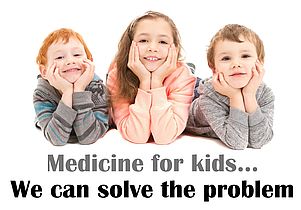
Healthy by Nature is very excited about a new project. We would really appreciate (and need) your help—even if nothing more than to simply view a short entertaining video (where among other things you’ll see that I should have had a stylist to fix the back of my hair). 

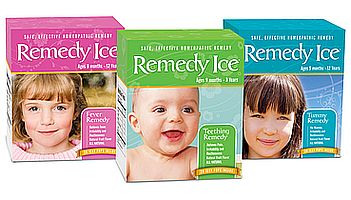
I was inspired by a mom, Rachel Wilson, whose creative idea for her child’s health has the potential to help kids and parents everywhere. When her daughter, Julia, was teething or ill, the toddler refused standard medicines. Rachel solved the problem by dissolving safe effective natural medicine in ice pops. Children love these frosty treats and besides the benefit of the formula, the ice itself is obviously soothing—especially for problems like fever, cough/sore throat and teething. These xylitol-sweetened homeopathic pops contain no artificial colors or scary chemicals. The video tells more about them and how Healthy by Nature came to partner with Rachel to form Remedy Ice.

This is a unique opportunity for all of us to help kids feel better and give a break to parents stressed out by an understandably cranky child. But, I am even more passionate about providing safe and effective alternatives to the drug store chemicals and replace them with natural medicine for children. Besides often being unpleasant and messy, some are even risky. (Adults can enjoy Remedy Ice pops too. For example, have adult braces? Try the teething pops! And who wouldn’t want a soothing frosty treat when they have a fever or a sore throat?)boxes_group web sizeRachel and Healthy by Nature have done a ton of work behind the scenes to get to this point, but need help with the last step of bringing these formulas to market. Although we would greatly appreciate a pre-order of product or a donation of any amount* on our crowd funding site, even visiting the site will raise our standing as a “trending” cause that is worthy of more attention. By the way, among the thank you “perks” at some levels, I am giving an e-book on children’s health and I’ve offered to conduct personal consultations by phone or face to face.

It would mean a lot if you would spread the excitement about this campaign by contacting friends. For example, please forward this newsletter. Also the Indiegogo “share tools” make it very easy to alert your contacts on Facebook, Twitter, Instagram and LinkedIn! Just tell them that a friend of yours is launching a fun new product and to please check it out! Thank you so much. CLICK HERE to view the video and story.

*A recent scientific study showed that being generous is good for our health. Seriously!

calcium, D & diet guidelines

Newspaper headline Extra Extra isolated on white background

Some important research hits the front page, but many times it doesn’t or does so with unhelpful spin. For example, in this case calcium, D & diet guidelines. 

  • Research shows that persons over age 60 decline mentally three times faster if they have low levels of Vitamin D. Study LINK. Assuring adequate levels of vitamin D is one of the easier diet and lifestyle changes that can ward off dementia. Here is a link to our article on vitamin D. Hmm, the government keeps telling us to take small amounts of vitamin D and to slather ourselves with sunscreen so we don’t get any accidentally.
  • There has recently been some bad press regarding the previously assumed benefits of calcium in supplements and foods for building fracture-resistant bones. Study LINK. We’ve been saying this for a long time. Children need calcium, but for adults, osteoporosis is a result of hormone insufficiency and other factors. I don’t know why there has been such a focus on calcium when it also takes magnesium, manganese, zinc, boron, vitamin K, vitamin C, stomach acid and a lot more to build bone. Excess calcium can inactivate stomach acid. Calcium that doesn’t make it into bone can end up not only as bone spurs, but also as hardening for arteries if it is not escorted to bone by sufficient vitamin K and other factors. A 2013 HBN newsletter ran a 2-part series on calcium. Part 1. Part 2. I also suggest the book Death by Calcium which we have in our book store. Hmm, the government is still telling us to take calcium.
  • The US government creates dietary guidelines that affect everything from school lunches and research funding to product labels and indirectly food policy around the world. Those guidelines are theoretically based on the latest research as compiled by unbiased experts. However, a report in the British Medical Journal says that is not what is happening. BMJ reported that there is not a systematic review of evidence, but rather reliance on the opinions of experts who are not required to reveal conflicts of interest. The journal suggests that there is too much influence from groups such as the American Heart Association that take significant funding from food and drug companies.

The report also specifically points out that the “new” guidelines don’t reflect recent research trends such as those that demonstrate the benefits of a reduced carbohydrate diet and those that have shown that saturated fat is probably not a cause of heart disease. That the “experts” have stuck to their opinionated guns has left us with the same high carbohydrate advice that for decades has made us fat and sick. LINK to BMJ Report. The US Congress has scheduled hearings…that might help if the moneyed interests don’t put too much pressure on the proceedings. Fingers crossed.

It is starting to sound as though we would be safest to do the opposite of what the government tells us to.

Thermography compared to mammograms

thermography mix

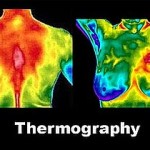
In last week’s blog I talked about fall colors and October pink. This week I want to talk about the red, yellow, green and blue colors of typical thermography prints as shown in the picture. Thermography is simply the measurement of heat. The body generates heat in varying amounts depending on the health and activities of tissues. For example, inflammation equals higher levels of heat. That is why chiropractors sometimes use thermography to show patients trouble spots in their spines. I am particularly interested in thermography for evaluating breast health because it does not involve exposing that tender tissue to radiation. There is simply no debate over the fact that radiation causes cancer. That is just one reason for the current controversy regarding mammograms.

Mammograms are often mistakenly lumped in with other ways to “prevent” cancer. However, clearly breast x-rays at best provide “earlier detection” of disease than waiting for a large lump to appear. Unfortunately, by the time a tumor is visible, it has been growing for some time…most likely many years. Mammograms can miss smaller cancers that might be detectable by more sensitive means. Those are called false negatives. At the other extreme, mammograms very often produce false positive results—indicating cancer when there is none. Those alarms create panic and dangerous over-treatment.

Therefore, the current view in mainstream medicine (read the Mayo Clinic opinion) is very confusing. But, the direction is toward recommending that women should get fewer mammograms than was the previous standard. Some writers, such as Joseph M. Mercola, DO point to studies that question the most fundamental risk-to-benefit basis of mammograms as a way of reducing deaths from breast cancer. There are unique differences in each case and I will not get between a woman and her doctor’s recommendation on that subject.

Thermography compared to mammograms. There is no harm in thermography and it can show abnormalities at a much earlier stage where improvements in diet and lifestyle might turn the situation around. (Thermography is what Dr. Mercola recommends.) Some women have mammograms less frequently and get thermograms in between.

One type of thermography called “infrared regulation thermography” measures cellular metabolism and responses of the nervous system. It records precise skin temperatures and temperature changes over specific organs around the body. That can reveal a great deal of information about how various body systems are functioning. The information gained from such an analysis would take thousands of dollars of very sophisticated conventional medical tests to discover if one even knew what to ask for. Thermography does not diagnose disease, but it is a nifty screening tool to provide the person with the right questions on which to follow up.

Thermography may be an excellent investment in health, but it is typically not yet covered by insurance because it has not been proven to the satisfaction of mainstream medicine. (Sadly, I question if it will be any time soon since there is such a huge economic system supporting mammography and so few funding sources to conduct comparative studies.)

I have been pleased with the Thermography Center of Dallas. In October they are giving their clients 20% off a whole body thermography session. They are located at 5220 Spring Valley Suite 405 Dallas, Texas 75254 | Phone: 214-352-8758

For those readers not in the DFW metroplex, search online for thermography to see what is available in your area, either standard or whole body.

Breast cancer options

pink

In many parts of the country the leaves are beginning to turn red and gold, but in a matter of days, the entire country will suddenly turn pink. No question about it—Breast Cancer Awareness month is a true marvel of brand marketing. (In doing research for this blog I even came across a porn website that wants to save boobs!) I sincerely believe that every person in the US over the age of 2 is fully aware of breast cancer. Great job! But, now what?

My hat is off to the diligent volunteers who have sponsored and participated in the fundraising runs and talked pro sports teams into wearing pink. I have an idea. Breast cancer options aren’t limited to minor variations in what we’ve been doing in the 40-year war on cancer. Can we possibly consider a different shade of pink? It’s just that I’m a bit discouraged that most of the charities that benefit from the pink revolution seem to continue using the money raised mainly for grants for pharmaceutical research. While benefits have been seen here and there, the effort has clearly not lead to “THE CURE” envisioned 30 years ago when the marketing campaign first began. (It was started by the American Cancer Society and the pharmaceutical giant AstraZeneca.) Increased breast cancer awareness certainly has resulted in more screening. The increased screening has led to more women being treated. (Note: there is some controversy about the potential risks of over-treatment of non-invasive forms.) Breast cancer rates have declined over the years, but mainly because of a significant decline in smoking and a reduction in the use of unsafe hormone replacement therapies.

What if we turned a lot more attention to similar improvements in diet, lifestyle and environmental toxins that might help prevent all cancers? And, why not lend more support to research and education about natural ways to support treatments and achieve more of those Radical Remissions (Surviving Cancer Against All Odds) that Dr. Kelly Turner has been cataloging? An article in our library, Breast Cancer – 13 Preventive Steps, offers a baker’s dozen of postive ideas. (There are several other pages on cancer under the Library heading “Immune and Cancer.”)

We all want to know that our donations of hard-earned money are going to truly worthy causes. Charity Navigator is a valuable online resource where you can check charities of all kinds for their honesty and to see how much of the money raised goes to the ultimate goal rather than to more fundraising, overhead and salaries. (You might be surprised how poorly some of the well-known organizations rank.) I’d love to hear from readers who have found responsible organizations that support research on natural approaches to cancer. In the meantime, I have an idea how to make a donation that we know for sure will directly benefit a wonderful person you may even know.

Renee Smith is a delightful lady who volunteers to help manage the speaker stage at our Natural HealthFest events. She has been bravely and cheerfully fighting a breast cancer diagnosis that included a recommendation for ovary removal. Cancer treatment is expensive. Her friends, Renee’s Warriors, have started a fund to help. At this link you can offer encouragement or make a donation of any size. It will all help. (Note: the financial companies typically charge 2-5% to process the donation and the GiveForward site retains 5% to cover the hosting of the site.) Check out her page. If you would prefer to donate by check, you can mail it to Healthy by Nature at 3221 Independence Parkway, Plano, TX 75075 and we will deliver it to Renee. Thank you in advance for your support.

New blood pressure study

Blood pressure measuring. Doctor and patient.  Health care.

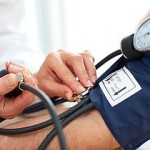
You have likely heard about SPRINT (Systolic Blood Pressure Intervention Trial ), a new blood pressure study sponsored by the National Institutes of Health. Researchers studied what happened to the health of persons over age 50 when their blood pressure was managed at a much lower level (systolic at 120 mm Hg) than previously thought acceptable for that age range (140 mm Hg). The study was stopped early because preliminary data showed the lower target produced a roughly 33% drop in rates of cardiovascular disease and 25% fewer deaths. That sure sounds good at first, but this news may create what legislators often refer to as “unintended consequences”. That is because of what lawmakers also say about legislation—”the devil is in the detail”. Drug companies must be over the moon knowing that most likely anyone over age 50 will rush to the doctor and ask for a prescription for a blood pressure medication. However, doctors have not seen the actual data and many are concerned because don’t know the following facts:

  • Was the effect just as positive for subjects at the far end of the age range? Frequent radio guest John Young, MD said something like this on his free weekly conference call, “As we age, arteries become less flexible and it takes more pressure to get blood to the brain. If I try to get blood pressure down to 120 in my patients older than 70, they drop over and many will die.” This reminds me of a recent task force report that showed the cardio-protective benefits of low dose aspirin outweigh the risk of hemorrhage but only in persons in a specific age range (women 55-79 and men 45-79). For others the benefit did not justify the risk.
  • More than a dozen medications were included in the SPRINT study and the average was 2 medications per person to reach the 120 goal. Did some drugs or combinations work better and more safely than others?
  • The study also looked at kidney and brain function but those results have not yet been analyzed. What if lowering blood pressure in the elderly increased dementia?
  • What other factors were correlated with the results? For example, I don’t see that smokers were excluded. Did race matter? The study covered the whole US and Puerto Rico. Were the results less impressive in areas with more sun or more minerals in the soil?

Another study showed that a component of egg whites (a peptide) acts in a similar manner and about as effectively as a prescription medication for high blood pressure. Previous studies hinted at the same effect. No, these small studies don’t constitute proof, but on the other hand, unless you are allergic to eggs, the risk from eating them is pretty small.

The SPRINT study is a good example of why it is probably prudent to not jump right on the news of any single study, especially one that isn’t totally fleshed out. Check with your doctor. He or she can give you personalized advice tempered by past experience with other patients at your age and in your general health status.

That reminds me. Last week I talked about research showing that vitamin C mimicked some effects of exercise. That was just one study representing a small part of the puzzle, so I hope tht no one got the idea I was saying to stop exercising.

Coffee healthful or not?

Coffee

Like so many other subjects in health, coffee is not just black or white (and I don’t mean without or with cream). There is good news, bad news and shades of gray. (Maybe not 50 shades, but a lot.)

The GOOD news. We seem to love the taste, smell, energy lift and attitude adjustment from it. Coffee consumption has previously been linked to reduced risk of certain types of cancer, diabetes, Alzheimer’s disease and Parkinson’s. Caffeine is considered a fat burner. I decided to check in and see the current themes look like. Here are conclusions from some recent studies:

  • “Higher coffee intake may be associated with significantly reduced cancer recurrence and death in patients with stage III colon cancer.” Abstract.
  • In another study, cancer benefit was found, but 4 cups a day a linked to a 16% reduced risk of death from all causes and at the level of 3 cups, 21% less risk for cardiovascular risk. Abstract.
  • A change in the way the liver functions may help explain why coffee is associated with reduced risk of Type 3 Diabetes. Abstract.

The BAD news. Caffeine increases the stress hormone cortisol; can heighten anxiety; and raise blood pressure. It may cause cravings and affects brain signaling chemicals that might provide a lift that for some persons is followed by a letdown later. Depending on the efficiency of a person’s liver, even morning coffee can cause sleep interference for some folks. Depending on the efficiency of the liver, it can take up to 24 hours to fully clear caffeine from circulation.

  • Coffee has long been suspected as a factor in miscarriage, but there is little science to support that conclusion. Abstract.
  • Likewise coffee has been accused of adding to risk for birth defects. One study hinted at a connection to club foot babies among women drinking more than 3 cups per day. Abstract. Another study showed a slightly increased risk of a nasal defect when 3 cups per day were consumed before conception. Abstract.

Confusing Gray areas.

  • Regarding venous thromboembolism (VTE, blood clots that are a cardiovascular risk) a review of studies concluded something odd. Compared to those who didn’t drink coffee, those who drank 1-4 cups/day were at an 11% increased risk of VTE. However, those who drank more than 5 cups a day had a 25% decreased risk. Abstract.
  • Some worry about the acid nature of coffee. The beverage itself has a pH of 5.1 (neutral is 7 lower numbers are more acidic). Apples are 3.6. Most of the digestive tract is normally acidic, so coffee’s moderate acidity probably isn’t a concern. There is a more complicated process that takes place after coffee is metabolized. Some claim that coffee makes tissues It is assumed that minerals are then pulled from bones to buffer the acid in tissues. A study of postmenopausal Korean women did not show a negative effect of coffee on bone density. Abstract.

So, is coffee healthful or not? My advice: If you are a coffee drinker, buy the best organic fair trade brand you can and prepare it in a way that filters out the component cafestol which can raise cholesterol. Also, and this is key, don’t undo the good of the coffee by ordering it with a load of sugar. For example, a venti Starbucks Caramel Ribbon Crunch Crème Frappuccino® Blended Crème (I picked that because it sounded delicious) contains 82 grams of sugar. That is over 20 teaspoons of sugar! There are various beneficial substances in coffee, most of which are antioxidants. If you are not a coffee drinker, there are other sources of antioxidants such as green tea, veggies and super-fruit combinations like Fruit of the Spirit.

Internal Sunscreen

sunburn

I’m not going to rehash the usual sun protection advice because everyone knows about sunscreen. However, given that Coppertone didn’t come on the scene until 1944, have you ever wondered how humans managed to stay alive before that? After all, they were outdoors hunting, farming, building houses, hanging laundry and such.

The answer seems to be common sense and diet. That quote from poet Rudyard Kipling “only mad dogs and Englishmen go out in the midday sun” sort of sums up the common sense part. But, diet? Really? If that seems a stretch, consider this. Sun causes its harm because it creates free radicals that damage our DNA. Antioxidants are the antidote to free radicals. Where do we get antioxidants? We get them from food (and supplements). There are dozens of antioxidant vitamins and minerals plus thousands of phytonutrients in fruits and vegetables and other whole natural foods. Our ancestors ate a lot more of those than we do. (French fries don’t count.) Also, produce from even a few decades ago is documented to have contained a lot more nutrients than our factory farmed groceries do. Therefore, many of us believe that our ancestors benefited from internal sunscreen.

A recent Australian study provided modern scientific evidence of the principle. Nicotinamide (a form of niacin or vitamin B3) has previously been shown to repair DNA. The researchers gave subjects who had suffered skin cancers (not including melanoma) either the B vitamin or a placebo. Those taking the vitamin had significantly lower rates of new cancers. There is not any food that contains only one nutrient. Therefore, I recommend taking a complete B complex, not just this one by itself.

Vitamin C is another antioxidant contained in fruits and vegetables. As noted in my blog post on cell phones, vitamin C protects against radiation damage such as those rays coming from the sun.

It seems that nature’s, original plan was for us to be exposed to sunshine. Of course, we need it for our skin to make vitamin D. Also, as noted in an earlier blog, the sun doesn’t just cause sun burn; it also provides healing and rejuvenating far infrared rays. And, another proposed benefit is kind of “out there”—an engineering professor thinks that we may actually harvest energy from the sun a bit like plants do. We learned about how they do that in biology when we studied photosynthesis. The article is pretty deep, but I link to it here for any physicists who might be interested.

So, bottom line: Stay in the shade when the sun is high and hot. Use sun screen if you are going to be out for an extended period such as baking on the beach. Eat more fruits, vegetables and other whole natural foods, not just for their internal sunscreen protection, but because you will feel better and likely live longer.

Cell phones and health

cell phone
We have become pretty dependent on fancy cell phones because their ever expanding list of features gives us good reason to be. But, there are questions about cell phones and health. They can even benefit our health in some ways. For example, there are good references like the Cures A-Z app. (You can also visit our library or even read this newsletter on your phone!) The app that lets you monitor your pulse could help you identify a food sensitivity using the pulse test. However, as is so often the case with technological advances, there are unintended consequences. The following factors are evidence that some caution is in order with how we use the devices.

Brain wave warping
We’ve known that cell phones could mess with the electronics in airplanes and hospitals. Now a new study reveals a significant effect on the human brain when a 3G cell phone is held to the ear for even 15 minutes. The researchers concluded that “significant radiation effects were found for the alpha, slow beta, fast beta, and gamma bands”. Article with a link to the study. We don’t have to know what all those waves do to get that it probably is not a good thing. The latest technology, 4G, may have an even stronger effect. Previous research showed that among the brain waves altered were the ones that help us sleep. Using speaker phone or ear buds seems a safer choice.

Radiation in your pocket
Holding the phone to your head apparently is’’t a great idea, but surely it is okay to carry it around in your pocket, right? The government says there is no proof that the radiation from phones causes cancer or other diseases. (The Mayo Clinic weighs in on that controversy.)  The feds do regulate the amount of radiation relative to the distance the device is held from the body. Those limits date to 1996 when the equipment was quite different. Currently, various manufacturers recommend the phone be carried at different distances away the body—starting at roughly 1/4 of an inch and going to upwards of ½. Unless you wear really really thick pants, it looks like they mean to use a belt clip.  More details.

Text Neck
We know it is critical to have a good ergonomic setup for your work desk because too many hours in the wrong position can cause repetitive stress trouble. The head weighs 10-12 pounds (perhaps less for some folks in Washington) and creates quite a burden if not held directly over the spine. These days some folks spend so much time bent over their mobile devices that even teens are suffering structural problems in their necks, shoulders and backs. Read what the Cleveland Clinic recommends.

Distracted walking
You readers are way too smart to need me to tell you not to text while driving. However, many of us might benefit from a reminder that even talking on the cell phone makes us less safe drivers. It seems that some also need a heads up (literally) that walking and texting can be deadly. Recently a 48-year old Dallas personal trainer died when she was hit by car. You guessed it. She had wandered into its path because she was focused on the phone screen instead of where she was walking. The rest of the sad story.

Depression indicator
Researchers did not say that cell phones cause depression, but usage may indicate a problem. Scientists at Northwestern University said, “The more time you spend using your phone, the more likely you are depressed. The average daily usage for depressed individuals was about 68 minutes, while for non-depressed individuals it was about 17 minutes.” The study also used the phones’ GPS to determine that folks who got around town less were more likely depressed. Again, not cause and effect, just an alert.

Nutritional help against radiation?
It certainly makes sense to reduce our exposure to radiation as much as possible. (Not just phones, but challenging the need for a CT scan, etc.) For extra assurance, note a study that concluded that: “high doses of Vit C can show life-saving radioprotective effects.”

I think that I’m pretty safe because half the time I don’t even know where my cell phone is.

Insomnia remedies

sleep puppy

A reader asked me for ideas about sleep and that reminded me I had never written a blog on that topic. We know that people who routinely get fewer than 7 hours sleep are subject to increase risk for a variety of unpleasant health issues, but sleeping pills may not be the best answer. Read the fine print on the package insert for sleep medications and you will see that there are potentially many very alarming side effects. There are some that are perhaps even more serious but that are not yet required to be in the warnings. In any case, sleep meds are not supposed to be used as a permanent solution. (We do not suffer from a deficiency of drugs.) Each person is different and means that there are many possible causes of sleeplessness. If you or someone you care about is looking for an answer, maybe there is a clue in the lists below.

Causes of sleeplessness and insomnia remedies:

  • Medications that list insomnia in the fine print about side effects. Perhaps your doctor can find one that doesn’t affect sleep.
  • Eating a heavy meal late at night may be fashionable, but it isn’t conducive to restful sleep.  The body’s resources are busy trying to deal with the meal instead of doing the repair and restoring that is necessary to starting fresh the next day. It is best to allow at least two or three hours after eating before donning the night cap.
  • Stimulating beverages or foods late in the day make it harder to relax.  Most of us would soon catch on if we were kept up by coffee with dinner, but we don’t always think of tea, iced tea, sodas like Mountain Dew, double fudge cake or some headache medicines as sources of caffeine. Also, caffeine can stay in the system up to 24 hours. Most likely it will stay longer when the liver and detox pathways are not performing well.
  • Not keeping the bedroom dark enough. Light wakes up our brains. The worst kind of light is from electronic screens such as the computer and phone. Television right before bed might not be the best idea either.
  • Being keyed up. Reading or meditating can help. For me, although it breaks the light rule, a few minutes of a talk show comedy monolog helps me tune out. Focus on breathing. There are a number of systems of for doing this. Here is one from Andrew Weil, MD. I occasionally need something to keep my attention off of my work, so I recite the states alphabetically in my head while I breathe with each one.  Anything may work that occupies your mind a bit but doesn’t stress…books of the bible, a vegetable for each letter, etc. If you are still keyed up, try the homeopathic Coffea Cruda which acts a bit like the opposite of caffeine.
  • Lack of a regular schedule. It is easier to alter a schedule by setting an alarm to get up earlier than it is to force yourself to go to sleep at a certain time.
  • An uncomfortable bed. Our sponsor, Naturepedic, has wonderfully comfortable beds, but also because they are organic, you won’t be breathing in chemicals all night.
  • Nutritional deficiencies. The most obvious deficiency might be calming magnesium (see below), but the B-vitamins are important to normal nerve function. Even the tiny powerhouses in our cells (mitochondria) must have energy if we are going to sleep well. So, we could probably draw a dotted line from any nutrient to sleep.
  • Friendly bacteria in our gut help with and respond to our circadian rhythms, so there’s another reason to take probiotics.
  • Hormone imbalances can be a factor. For example, hot flashes for menopausal women. There is a lot of natural help for that problem.
  • Exercise helps early in the day, but close to bedtime can rev us up.
  • Bad habits such as staying in bed struggling for sleep make us expect trouble. We don’t want the bed to conjure up visions of frustration.
  • Keeping the room too warm. If you don’t want to cool the whole house, is a window unit a possibility? Ceiling fan? Ideally, a warm bath followed by cool room.
  • Pain is certainly a cause, but I can’t cover natural solutions today. Likewise, adrenal burnout. (But, if you suspect adrenal fatigue, don’t take adrenal boosting combinations late in the day. Adrenal Fatigue For Dummies by Richard Snyder, DO is a good book on the subject. Here is an interview we did with him.

Other potential remedies. (Not everyone has the same need or reaction, so some experimentation might be in order.)

  • Take your magnesium at night with dinner or something like magnesium threonate even at bedtime (e.g. Brain Magnesium). There is also a topical magnesium that can be applied. Or, take an Epson salt bath.
  • Melatonin works for some people for sleep as well as jet lag. I only need it infrequently and get by with ½ mg. But some need 3, 5 or even 10 mg. When taken in too large a dose for the person’s chemistry, some people will metabolize it into something that actually excites the brain. So, it is best to start small and work up.
  • Herbal combinations with Valerian root are popular.
  • Think about puppies.


Healthy By Nature Show