


 April 16, 2015
 We depend on our cars which are expensive to replace. Therefore, we usually drive in the right gear, change the oil, use the correct fuel, rotate the tires, etc. We know what to do for the car because we have an instruction manual for it.
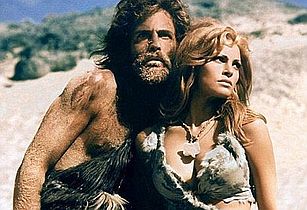
The closest thing we have to The Human Body Instruction Manual is to look back thousands of years to our “hunter / gatherer” ancestors. Although they were apparently gorgeous, humans did not live long then because sanitation was poor; there was no medical care in emergencies; the food supply was unpredictable and a hunter might end up being some creature’s dinner. And yet, we react to our environment and diet just as they did because our physiology and chemistry is still pretty much the same.
The health complaints and chronic diseases of modern life can be thought of as a gradual accumulation of minor insults from not following the instructions. We get too much of some things and too little of others. I could easily list a hundred examples, but here is just one for this week from the “too little” category.
Too little SUNSHINE: We still desperately need the vitamin D that our skin produces in the sun. As you may know D is more of a hormone than a vitamin and every cell in the body needs it. Low levels of vitamin D are associated not just with osteoporosis, but also depression, diabetes, cancer, thyroid disease, loss of muscle strength and much more.
Just to give you an idea how intertwined some of these issues can become: vitamin D is thought to lower cholesterol, blood pressure and atherosclerosis. For even more reasons, low levels are associated with worsened cardiovascular outcomes. If a person is put on a statin-type cholesterol-lowering drug, a lack of D may worsen side effects such as muscle weakness. One potential side effect of statins is heartburn. If a person with heartburn is given an acid-blocking drug (as described in my book on acid reflux), one side effect can be low magnesium. (Even the FDA warns about that.) Among 300 other things, magnesium is important to keep the heart beating regularly.
We’ve been advised to limit sun exposure to avoid skin cancer and besides, most of us are too busy to be outside long enough. Sunscreen and tinted windows block the D-forming rays if we do venture out. Foods are not a good source. The D we want is D3, but what is usually added to milk is D2. To achieve optimum blood levels (perhaps 50-70 ng/L) usually takes D3 supplementation of at least 5,000 IU a day. Those with very dark skin need to work even harder at building blood levels because they are naturally protected from even accidental sun exposure. Vitamin D is very safe–the risk is in being too low. Learn more on this page in our Library and this one and at the non-profit VitaminDCouncil.org.
 Healthy By Nature Show
I am a needy person who wants to learn and this helps alot.
I am so glad. This page from our online Library, https://hbnshow.com/articles/basics-health/ might also help. There are others there on how to eat for health, etc.