Archive for the ‘general’ Category

Test your product sugar knowledge with this quiz
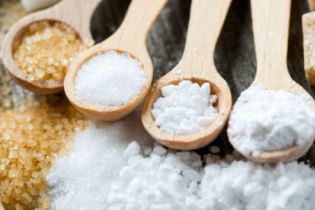
By now you all know the drill—sugar is bad for health. I imagine most readers have switched off of sweet soft drinks (hopefully the artificially sweetened ones too) and are keenly aware that they are taking a detour from their healthy path when they drink sodas or eat candy, cake, pie, cookies, puddings, ice cream, most commercial yogurts, popular cereals and the like. However, sugar lurks in many more surprising products in the grocery store. So, I took a stroll down the aisles where you might not think to look and created this quiz. At the end there will be a link to the correct answers.)

The Sugar Quiz

High Fructose Corn Syrup (HFCS). Sweet is sweet right? Not really…there is more to it. HFCS is corn syrup that has been altered to turn much of its natural sugars into fructose. Excess fructose consumption can lead to increased VLDL cholesterol, fat around our organs, high blood pressure, gout, fatty liver, insulin resistance (headed to diabetes), constant hunger and obesity. But, wait you say, isn’t fructose the kind that is in fruit? Yes, and that is why most functional medicine doctors caution against eating too much fruit. Which item of these A or B pairs contains HFCS?

A. Vlasic Sweet Relish

B. Vlasic Zesty Bread & Butter Pickle Chips

A. Kraft Classic Catalina Fat-Free Dressing

B. Hershey’s Chocolate Syrup

A. Great Value Honey Barbecue Seasoned Chicken Wings

B. Minute Maid Premium Grape Punch

A. Campbell’s Tomato Soup

B. Van Camp’s Baked Beans

A. Kikkoman Teriyaki Sauce

B. Sweet Baby Ray’s Original BBQ Sauce

Added refined sugar. That includes sugar by several names: sugar, brown sugar, cane sugar, and dextrose. Regular corn syrup (not the same as HFCS) and corn syrup solids are also frequently used sweeteners. Today’s corn syrups and dextrose (which is from corn) are a source of the neurotoxin, mercury. Which of these pairs contains added sugars?

A. Hormel Label Maple Bacon

B. Oscar Mayer Turkey Uncured Franks

A. Kraft French Onion Dip

B. Jif Reduced Fat Peanut butter

A. Ruffles Baked Cheddar & Sour Cream Chips

B. Sun Chips

A. Mrs. Baird’s Honey Wheat Bread

B. Mrs. Baird’s 100% Whole Wheat Bread

A. Marie Callender’s Salisbury Steak

B. Healthy Choice General Tso’s Spicy Chicken

Click here for the answers

On the fence about flu shots?


With all the hype, pressure, and availability everywhere (even for free), can we assume that there is no controversy about getting an annual flu shot? No, there is controversy. As evidence, I do not know a single integrative physician, functional medicine doc, naturopath or nutritionist who thinks they are a good idea for most people. While I certainly won’t tell you to avoid the shots, I should say that I’ve never had a flu shot or the flu and don’t intend to get either one. Here are some reasons I feel that way:

  1. They are not as effective as advertised. Some years they keep fewer than 20% of those who get the shot from becoming ill. The shots do have what sounds like a good average 50-60% protection against hospitalization and more serious complications. However, I don’t have the greatest confidence in those statistics because of medical bias in reporting. Then there is the fact that the Centers for Disease Control owns many vaccine patents and their members own over 50 patents related to vaccines. The agency and its members clearly have a vested interest in making vaccines look good. (Also, as you will see below, traditional vaccines aren’t the only way to protect yourself.)

The media tells us that the folks most vulnerable to complications from the flu are the young and the elderly. That is because their immune systems are not as strong. But, since a strong immune system is required for the vaccine to produce protecting antibodies, can you guess which groups are least likely to benefit from the shot? As is the case with most infectious diseases, getting the flu without having the shot  protects you naturally against more varieties of the disease and protects you for much longer.

  1. The shots can sometimes be dangerous. There is the potential for a serious allergic reaction because of all the stuff included in them. The flu shot uses dead viruses so it won’t give you the flu. Many other vaccines use “inactivated” viruses, but they don’t always get the job done. As an example, there are 37 new cases of polio in Zambia now that were caused by the vaccination for polio! Getting flu vaccinated two years in a row is a risk factor for getting the flu and has been associated with miscarriage.
  2. They contain toxic components. Unless you request mercury-free, they contain mercury which damages the brain and nervous system. So does MSG which is in some. Various flu vaccines select ingredients from this toxic soup: formaldehyde (embalming fluid), egg protein, sugar, squalene, barium, hydrocortisone, dog kidney cells, and pork gelatin. Many also contain antibiotics which are hard on our cells, but also kill good guy gut bacteria who supply 70% of our immune function. The immediate side effects of the flu vaccine are manageable, but there is no reassuring evidence that these toxins and many more chemical constituents won’t add to our toxic load and cause trouble in years ahead. I’m especially concerned about those who believe they will benefit from vaccines for shingles, pneumonia and so on. (More about them another time.)
  3. The safety studies are rigged. Vaccine studies are conducted by the drug companies themselves. Given the criminal behavior we have seen from several of them, that alone should give us pause. (Fox / hen house?) They aren’t required to and therefore don’t compare the shot to a placebo (for example a saline solution). They only compare it to last year’s flu shot! So, if the same toxic components are in both, we can’t know if the shot is safe—only that it is probably no worse than last year’s version.
  4. There is a better way. Homeopathy has been used to protect against infectious disease for 200 years. This site has some of the amazing history. It is totally safe and has been extraordinarily safe on a mass scale…but, of course not in this country because there is so much money involved in the pharmaceutical approach. A 2011 study done in Brazil showed that children who received the placebo had 3 times as many infections as those given the homeopathic. This site has more studies. Cathy Lemmon of Healthy Healing Arts, gave a powerful presentation on that subject at our Health, Home and Garden Expo. Watch a video of it and see the slides for free (she’s on page 2). Click here. (If you don’t have a homeopath, you will have to do a little research. Try an internet search for “homeoprophylaxis flu near me”.)

No matter what you decide about all that, it is crucial to keep your immune system strong. This page in my website Library has suggestions for doing that. Even if you get the shot, you may still get the flu (or a cold). Get prepared in case that happens. Please go to this page for prevention ideas, do’s and don’ts, a remedy kit and other advice.

The Care and Feeding of Your Brain, Part 3

In Part 1 and Part 2 I covered things that you DO NOT want to do if you want your brain to work optimally throughout your life. That list included smoking, anticholinergic drugs, heartburn drugs, antibiotics, agricultural chemicals in our food, sugar (and mercury) in corn syrup, and excitoxins (such as those contained in vaccines). Now, let’s start on some positive steps we can take for brain health:

Take care of your gums. According to an article on webmd.com, one study “found that people with chronic gum disease for 10 years or more had a 70 percent higher risk of Alzheimer’s than those without gum disease.” They also reported on a mouse study. It “confirmed [that] the bacteria, Porphyromonas gingivalis could migrate from the mouth to the brain and that a toxic protein they secrete (gingipain) destroyed brain neurons.  The bacteria also boosted production of amyloid beta, a component of brain plaques associated with Alzheimer’s.”

Get sufficient deep sleep. This factor is discussed in Steven Gundry, MD’s new book, The Longevity Paradox: How to Die Young at a Ripe Old Age. (He is scheduled to be a guest on my show November 9th.) The brain has an elegant system for ridding itself of toxins that would otherwise interfere with the activity of brain cells. During the deep phase of sleep, our brain cells shrink just a bit to make more room for the brain’s lymphatic system to flush away debris. We don’t get into that deep phase of sleep as easily if we use our blue-light-emitting devices (phones, tablets, TV’s etc.) within an hour of bedtime. Blue light suppresses our production of melatonin, the neurotransmitter that helps us sleep. (Blue light blocking glasses may help.) Eating dinner or snacks too close to bed time also interferes with brain housekeeping and repair because our blood supply favors our digestive systems over our brains. It is ideal to allow 4 hours between eating and sleeping.

Use the Brain Light Pro (BLP) for Prevention. On the show, we’ve talked about how truly amazing this device is for helping with conditions like brain injury, stroke, anxiety, migraines, concussions, depression, and so on. It is also a help with better sleep which I just showed above is important. Because the BLP reduces inflammation in the brain and stimulates the formation of new blood circulation, it is also highly recommended for dementia of any kind. Better yet, use it daily before there is a problem to improve your alertness and memory as well as keep your brain in the best condition possible. This comfortable foam crown of bone-penetrating healing lights is very easy to use. And, because it should benefit everyone in the family for many years to come, quite a bargain. You can also rent a BLP to try it out knowing that the fee will be credited if you decide to buy it. Call 800-580-1102 and/or visit the website.

The Care and Feeding of Your Brain, Part 2

In Part 1, I covered 3 things that you DO NOT want to do to your brain if you want it to work normally throughout your senior years—smoking, anticholinergic drugs and heartburn drugs. Here are some more “do nots”:

Antibiotics. Being mycotoxins (fungal poisons) they directly poison the brain. But, perhaps more importantly, they have disturbing indirect effects on the brain by killing off the good bacteria in our intestines. There is a powerful connection between our brain and the gut which is lovingly called our “second brain”. For example, these bacteria make more neurotransmitters (such as the “happy hormone”, serotonin) than the other brain in our heads. The bacteria also make nutrients and facilitate absorption of nutrients from the diet that are needed for brain health. Obviously, sometimes antibiotics are imperative—but only 50% of the times that they are prescribed. If you must take one, start Dr. Ohhira’s Probiotics immediately and continue for months.

Agricultural chemicals. Roundup is a perfect example. I picked that toxin because you may have recently seen it in the news in regard to cancer-related lawsuits against the manufacturer (Monsanto/Bayer). It is ubiquitous and unfortunately is just one of the agricultural chemicals that damage our microbiome (collection of gut bacteria) which as I just stated is critical to brain health. If you can’t afford to eat a lot of organic foods, perhaps just focus on the Environmental Working Group’s Dirty Dozen which details the worst. Also, glutathione is the body’s master detoxifier, so it is smart to boost your levels of a probiotic bacteria (me3 contained in Reg’Activ products) which makes it for you right in your gut.

Sugar / High fructose corn syrup. As you know, acquired high blood sugar is called “Type 2 Diabetes”. These days, many experts call Alzheimer’s disease and/or Cancer “Diabetes Type 3”. For one thing, sugar kind of sugar coats / caramelizes our proteins. That keeps our cells from working correctly and causes inflammation. We need to remember that refined starches quickly turn to sugar and even excess protein can turn to blood sugar. High fructose corn syrup is an obvious problem in soft drinks, but it sneaks into a surprising number of foods like ketchup, salad dressing, prepared meals and…well, there is just no substitute for reading the ingredient lists on labels. Besides that sweetener’s unhealthful effect on blood sugar, insulin and fat storage, it also harbors mercury. Mercury is the most nerve damaging metal on the planet (except for those that are radioactive).

Excitotoxins. In his landmark book, Excitotoxins: The Taste That Kills, Russell Blaylock, MD describes how some substances kill neurons (nerve tissue). Among them is MSG (which goes by a lot of aliases). Also, included are the “adjuvants” like mercury and aluminum which are added to various vaccines to purposely annoy the immune system into action…they also annoy the brain.

In the next installment, I’ll cover some of the positive steps we can take to boost brain health.

The establishment’s hostility over new red meat advice is suspicious

There is a natural human kneejerk resistance to change. That is certainly true when a scientific finding goes against the prevailing view. It may be a bit of “but, we always did it that way” mixed with “hey I don’t want to look bad because I advised something else”. But, there may also be something intentional going on that borders on corruption.

The current red meat issue is a great case in point. The new study in question was a huge review of other studies conducted by scientists who had no conflict of interest. After rigorously eliminating poorly-conducted studies, built in biases and research done on animals (which might not apply), they could NOT find support for the contention that red and even processed meat contributes to heart disease and cancer. Whoa! This turns decades long dogma on its head. Medical organizations, universities, the media, and the big disease charities were not having any of it and were willing to deny the good science it was based on. In fact, some tried to keep the study from even being published.

This linked article (called to my attention by researcher/author Syd Singer) lists the following general lessons gleaned from this dustup:

  1. Medicine resorts to censorship when information runs counter to current policy and can embarrass the medical community and those in power. [Some, even the government, resort to internet dirty tricks. Read more.]
  2. Places like Harvard, which create public health policy, are comfortable with drawing conclusions and making health policy advice based on bad information.
  3. Medical advice is of varying quality, and sometimes outright wrong.
  4. Public health advice is not based on good science, but on political agendas.” [Yes. For example, some want to limit meat production because of environmental concerns.]

An isolated incidence? Hardly. Part of the problem is that the government is held up as the ultimate authority. Meanwhile, the federal agencies are compromised by conflicts of interest, longstanding institutional bias, and a revolving door for employees between the agencies and industries like big pharma and big food. Making matters worse, the agencies’ funding comes, to a great degree, from the businesses that they regulate. (Many health charities are also dependent on support from those same industry giants.)

  • The USDA’s food wheel of 1984 prescribed 6-11 servings of bread, cereal, rice and pasta per day. Hmm, that’s right about when the “diabesity” epidemic really took off! (See chart below). The agency’s 1992 “food pyramid” was heavily influenced by the manufacturers of processed foods over the objections of scientists. It continued the 6-11 servings of carbs like those used to fatten livestock. That pyramid and the philosophy behind it guided government subsides, school lunches, education, the media and so on for the next 13 years. Subsequent versions of the pyramid and “plate” never did get it right. Excessive demonization of fat in the diet continues.
    • There is a long list of the establishment’s vociferous support of actions that are not supported by science. They often ignore flaws in their theories; suppress contradictory research and oppress (even persecute) those with opposing views. Here is a short list:
    • The myth that prescribing acid-blocking heartburn drugs for more than a few weeks isn’t deadly
    • The myth that dietary supplements are a waste of money
    • The myth that a little Roundup, pesticide and fungicide in your food every day won’t eventually hurt you
    • The myth that cholesterol kills and statins saves lives in the general adult population
    • The myth that the explosion in the number of immunizations is safe– (Pediatricians don’t prescribe the same schedule for their own children. And note that the MMR vaccine for measles, mumps, rubella has long been banned in Japan.)
    • The myth that taking a low dose aspirin daily is a good idea
    • The myth that flu shots for everyone are safe and effective, while ignoring the impressive history of the homeopathic alternative
    • The myth that tight bras don’t cause cancer (listen to our 10/26/19 show to learn what the science says)
    • The myth that irradiating breasts with mammograms is not dangerous and meanwhile ignoring thermography
    • The myth that nutrition and antioxidants cannot be combined with conventional cancer treatments

Well, I guess that’s enough to paint the general picture. Each one of the items above is worth researching. Just be sure to go beyond the top few search results which are often purchased by the big money interests.

Highlights of Bill Sardi Interview

On the show last week Bill Sardi explained some things what your doctor should tell you about your health from just seeing you walk in the door. Listeners and I also asked questions and since the show was so packed with valuable information, I thought it would be helpful to do a review.

Aspirin. Studies seem to indicate new benefits for low dose (81 mg) aspirin such as during cancer treatment and pregnancy. I mentioned that anti-inflammatory supplements like resveratrol, magnesium, fish oil and a diet lower in inflammatory sugars might be better than aspirin for inflammation. He said that for cardiovascular protection, the low dose is not enough to thin the blood. The full 325 mg dose does and reduces iron overload. However, it does so by causing GI blood loss and can lead to ulcers and thousands of bleeding deaths each year. Another reason he does not recommend any regular use of aspirin is that it depletes vitamin C. That might in turn lead to weak capillaries—e.g. in the brain, possibly risking a brain bleed.

Moles on your skin, white moons and spots on finger nails? You may be deficient in the mineral zinc. That also reduces the effectiveness of your immune system.

Loss of short term memory plus fatigue? (Maybe combined with burning feet, chronic cough, sore back, and sore tongue.) Those are classic symptoms of low levels of B12 even when blood tests show that you are still in the “normal” range. (Up to 40% of the people who were used to create that range are low in this critical vitamin.) B12 can be low because of inadequate stomach acid, the use of acid blocking drugs or a vegetarian diet.

Redheads? They have a marked increased risk for Multiple Sclerosis which is related to low vitamin D levels. (They don’t get much sun exposure.)

Dark skin? (e.g. Eastern Indian or African descent) Those folks need 10 times as much sun exposure as light skinned people to form adequate vitamin D. Vitamin D reduces the risk of diabetes, breast cancer and even dental cavities.

A man over 50 (or post-menopausal woman)? You are likely overloaded with iron which may double the risk for premature aging, diabetes, heart disease and cancer. Blood tests for ferritin in the serum should be between 20-90 ng/mL but a large percentage of the population is in the 200-1000 range. Moderating consumption of red meat and donating blood are ways to reduce iron overload. Resveratrol and IP6 help remove the free iron (not from red blood cells) and loose calcium that is also an aging factor. Those ingredients are in Longevinex and in smaller amounts in Molecular Multi.

Vegan? You are at risk of being low in iron as well as vitamin B12, zinc and omega 3 fatty acids.

Skin tags / overweight? (E.g. more than 30 lbs over high school weight.) Those problems lead to diabetes and heart disease, but can go away with a diet that limits fast-burning carbohydrates like bread, rice, pasta, cereals, cakes, pancakes, cookies, soft drinks, buns, donuts, bagels, pretzels, corn chips and so on. It makes sense to not eat the grains that farmers use to fatten animals for market. Processed foods also contain ingredients designed to disarm leptin, the hormone that tells us when we are full.

Pap smear abnormal? Half those issues resolve on their own. The doc should prescribe folic acid and vitamin C [and check vitamin D levels] rather than rush to do a hysterectomy.

Numbness? If due to poor circulation, Bill recommended magnesium, garlic, and resveratrol. May also be due to repetitive postures and movements. B12 helps nerve health. Hyaluronic acid helps the cushioning around the nerves. Note estrogen makes hyaluronic acid.

Dry skin, elbows, eyes, mouth? Sardi recommended borage oil. 

Hair loss. Make sure the thyroid gland is functioning well (and take digestive enzymes). Hair loss can be due to overgrowth of the stomach bug H. pylori which shuts off stomach acid and leads to nutrient malabsorption. Zinc carnosine supplements help with that. (I also cover those topics in both of my gut related books.) Spotty sudden hair loss can be due to an autoimmune condition caused by “leaky gut” which is due to an imbalance of gut bacteria. Reduced estrogen levels with age can cause hair thinning and loss. Resveratrol is a safe plant estrogen.

Wow. We covered a lot! For more details on some of these items, read Bill Sardi’s article.

The Care and Feeding of Your Brain, Part 1

Who doesn’t want to learn quickly; remember well; feel alert; and be cheerful and optimistic? Hello brain, we’ve decided to take good care of you! Beyond what we usually think of as mental function, we should remember that if the brain isn’t working, then ultimately nothing works. That is because, along with our gut bacteria, the brain controls most of the body’s functions, right down to breathing and swallowing.

This is the first part of a library page that I’m building about the brain. You will see that the basics boil down to obeying the two prime directives of being “healthy by nature”—(1) give the body everything it needs for optimum function and (2) don’t gum up the works with things it cannot handle. I’m starting with rule #2. The list below is far from exhaustive, but it should give you the idea.

Rule #2—Don’t gum up the brain with damaging toxins and excesses:

  • Smoking. I probably don’t need to say much on this because even smokers know that the habit is bad for most every aspect of health. However, here is a good article if you need more encouragement to quit.
  • Anticholinergic drugs. Before you are tempted to say “I don’t take any”, hold on because many of these look innocent on retail store shelves. They include some antihistamines, most nighttime meds, some for nausea, urinary control and heartburn. See if any of these OTC brands sound familiar: Advil PM, Aleve PM, Bayer PM, Benadryl, Dimetapp, Dramamine, Excedrin PM, Nyquil, Nytol, Simply Sleep, Sominex, and Tylenol PM. Anticholinergics interfere with an important brain signaling compound, the neurotransmitter acetylcholine. The more of these you take and the longer you are on them, the worse the long term damage. According to this Harvard article, “taking an anticholinergic for the equivalent of three years or more was associated with a 54% higher dementia risk than taking the same dose for three months or less.” The list of prescription drugs with anticholinergic effects is quite long and includes meds for allergy, anxiety, bladder control, depression, dizziness, gastrointestinal problems, heart disease, insomnia, muscle relaxation, and pain. Here is a good article on the subject with a list of common drugs. It is best to ask your pharmacist and/or do a web search for the name of your drug and the word anticholinergic.
  • Heartburn drugs. These increase dementia risk in a different way from the anticholinergics. They block stomach acid which needed to provide the body (and brain!) with protein, minerals and especially vitamin B12. I’ll discuss B12 in more depth when I add rule #1 to the brain page, but we discussed this crucial brain and nerve vitamin at length in an interview with Sally M. Pacholok RN BSN, the author of Could It Be B12? (Second Edition): An Epidemic of Misdiagnoses. These drugs are so damaging that I wrote a whole book about them.

In a future installment of what you should NOT do to your brain, I will talk about antibiotics, agricultural chemicals, sugar, and more.

Is your brain growing or shrinking?

I was impressed with this article from Michelle Ward, MS* and, since it had not been published elsewhere, she kindly agreed to let me use it as my blog this week.

New studies show that regular, moderate exercise has a beneficial effect on the brain as we age. With more than half of adults over 85 experiencing cognitive or memory issues, a little exercise may go a long way.1

Neuroscientist Art Kramer at the University of Illinois scanned the brains of 120 older adults over the course of a year. 2 At the beginning of the study, half of the participants started a program of moderate aerobic exercise: mostly walking for just 45 minutes, three days a week. The other half did not engage in exercise. After a year, MRI scans showed an increase in the volume of parts of the brains for the group that did exercise.

Interestingly, the placebo group that did not engage in exercise lost 1.5 percent of their brain volume. The group that had greater brain volume from exercise was also found to have better memory compared to the placebo.

Animal studies have shown that exercise increases new neuron production, strengthens the connections between neurons and increases blood volume to numerous areas of the brain.3

According to Kramer, brain exercises like Sudoku or crossword puzzles are not as conclusive compared to the research on aerobic exercise but are still a good idea.

Nutritional Support for the Brain

There is evidence suggesting that omega-3 fatty acids—found in certain fish—and antioxidants like vitamins C and E—found in vegetables—may help nourish the brain.4

A recent study also revealed that vitamin B12 may protect against the actual “shrinkage” of the brain as we age.5 The study measured 107 people from ages 61-87 for five years with brain scans and MRI’s.

The study found that people who had higher vitamin B12 levels were less likely to experience brain shrinkage compared with those who had lower levels of the vitamin in their blood (5). None of the people in the study had a vitamin B12 deficiency. You do not have to be deficient in B12 to see brain shrinkage. Low B12 levels can put you at risk as well.

References:

1. What is Dementia?

2. Exercise training increases size of hippocampus and improves memory

3. Exercise builds brain healthkey roles of growth factor cascades and inflammation

4. Nutrient biomarker patterns, cognitive function, and MRI measures of brain aging

5. Vitamin B12 status and rate of brain volume loss in community-dwelling elderly

*Michelle Ward is a Certified Holistic Health Coach specializing in helping people make simple, yet profound lifestyle changes that dramatically impact health in a positive way.  Michelle embraces the idea of bio-individuality and evaluates each client’s nutrition, movement, stress, sleep, hydration and mindset in order to create a program that is unique and sustainable for the individual she coachesTo schedule a complimentary consultation, visit www.TheMichelleWard.com or email her at [email protected].


Interesting items of news

Whole body vibration, the gut and inflammation. I have been a fan of whole body vibration because it seems to help lymph drainage and who knows, it might jiggle off some fat. And, I’ve heard it may help back pain. But, now there is surprising medical news saying that spending time on a whole body vibrator also has a positive effect on our microbiome (the collection of trillions of microorganisms in our gut). Apparently it rearranges the layers of organisms and increases species that keep the lining healthier. The vibration actually leads to higher amounts of a kind of human immune cell that can reduce inflammation and improve glucose management (which is, of course, related to diabetes). It is easy—you just stand there! My own unit is kind of a big deal that I tried at a traveling demo at Costco. However, this one looks like it might be an affordable option that would be easy to store.

Deafness and blindness in a teen—caused by a junk food diet. We all know by now that a nutrient-poor, highly processed diet will ultimately lead to disease and an early death. But, did you know that the trouble could occur this early and in this way? Recent news revealed that a British 17-year-old who lived for a decade almost entirely on “chips [fries], crisps [Pringles], white bread and processed meat” became legally deaf and blind. There are many ways he could have been damaged, but the most likely culprit seems to have been a deficiency of vitamin B12. That can cause permanent nerve damage.  

On the other hand, plant foods save the day. A pretty big study (56,048 participants) in Denmark showed that “A moderate habitual intake of flavonoids is inversely associated with all-cause, cardiovascular- and cancer-related mortality.” In other words, eating colorful vegetables and fruits high in flavonoid compounds may save your life from cardiovascular disease, cancer and well, any cause. It doesn’t take a high intake. However, smokers and drinkers do need more.

Reminders about Bill Sardi.

  • In his article about various anti-aging substances, there is a chart. It might not be obvious, but you have to scroll to the right to see that vitamin C has the most powerful life-extending effect.
  • Gallbladder issue? Read his FREE BOOK on the gallbladder.
  • He recently answered a listener question about Boron, 12 mg a day, helps keep testosterone from being bound up and therefore inactive.

6 important facts you should know about bottled water


  1. Purity. By law, bottled water is only required to be as good as tap water…which despite claims from the cities, you will see below, that is not very good. Most bottled waters start with tap water and at least filter the chlorine taste out. But, even “spring water” is just ground water under pressure. That means if agricultural chemicals, pharmaceuticals and toxins from the air have seeped into the ground water, it will likely be in that bottled spring water. Even the rain and snow falling on pristine-appearing mountains harbor hundreds of toxins. According to Consumer Reports, several popular bottled waters (including Crystal Geyser and Whole Foods house brand) contain worrisome levels of arsenic. Good luck finding out what is really in your favorite brand.
  2. Drugs. Cities are not required to remove pharmaceuticals from tap water and neither are the bottled water companies. According to a 2017 study, up to 47 different pharmaceuticals were found in some water supplies and dozens were still present—after processing! What kind of drugs are we talking about? For example they are: antibiotics, anticoagulants, anticonvulsants, antidepressants, antihistamines, antihypertensives, hormones, muscle relaxants, and pain killers. The National Resource Defense Council says “they enter water through manufacturing waste, human or animal excretion, runoff from animal feeding operations, leaching from municipal landfills, or improper disposal.”
  3. Microplastic contaminants. Of the hundreds of brands tested in a 2018 study published in Frontiers in Chemistry, 93% contained tiny bits of plastic. They can cross our protective barriers including the important blood brain barrier and placenta (affecting the fetus). This Time article describes the problem, lists studies and offered this quote: “Nestlé Pure Life had the largest average concentration of plastic particles out of all the brands tested; one sample from the brand was found to contain more than 10,000 microplastic particles per liter.” Why is the plastic a problem? See the next item.
  4. The bottle itself. Plastic bottles release various plasticizers and other chemicals collectively known to interfere with hormones and have been linked to obesity, diabetes, heart disease, cancer, infertility, hearing loss and neural problems like attention deficit disorder. I’ve recently become aware that a metal, antimony, leaches from many plastic bottles. It is considered to be carcinogenic and may cause lung and heart problems. Leaching of the chemicals is worsened if the bottles get hot. Please never leave bottled water in the car in the summer.
  5. Environmental impact. 24,000,000,000 plastic bottles (2 million tons) end up in landfills every year. They can take 1,000 years to break down. There is more bad news. The production of the bottles requires huge amounts of petroleum and energy. The San Francisco airport is banning the sale of water in plastic bottles. Good for them!
  6. Expense. Even from Walmart, in a 12-pack of 750 ml bottles, Evian costs $.10 per ounce. That is $12.80 per gallon. Almond milk in a 6-pack costs only $9.73. (Think how many almonds go into a gallon of that! Bottled water companies are making a killing which explains why there are hundreds of brands.)

So now what? A logical alternative is to filter your own clean water and carry it in bottles that are not plastic. I’m not a fan of the aluminum variety of carry around water bottles because they are generally coated inside with plastic. Whether it is aluminum or stainless steel, if you can taste it, you are ingesting some traces of that metal. The least reactive material is glass. I just buy a bottle of unsweetened tea and reuse the container. I frequently put it in the dishwasher. (I put my name on it because people always want to throw it away for me.)


Healthy By Nature Show