Archive for the ‘general’ Category

Red for heart disease should be a month rather than a day

heart disease

The whole month of October is pink for breast cancer. Why is there just one day dedicated in February to wearing red as a reminder of heart disease in women? Good grief, heart disease kills something like 10 times more women. Yep, annually, 1 in 31 American women dies from breast cancer each year, while cardiovascular disease claims 1 in 3! I’m not proposing that we create a marketing / fundraising monster in February where everything including football uniforms are trimmed in red. I just think the issue needs a little more attention.

The early warning signs of heart trouble in women are often ignored because, for some perverted reason, it is still assumed that cardiovascular disease is a male problem. Clearly it is an equal opportunity killer. It adds to risk that the first signs of attack can be different than in men. Extreme fatigue, nausea, jaw pain, shortness of breath, a cold sweat or lightheadedness might easily be written off as nothing serious.

By now, we all know the basics of what both genders should do for prevention—stop smoking; exercise; eat a Mediterranean-style diet (more fruits, vegetables, fiber and fish along with fewer carbohydrates); lose weight; and reduce stress. Less often reviewed are supplements for cardio health. Here is a sampling of ones that I like because each is also useful for prevention of most other chronic diseases.

General: Reg’Activ Cardio Wellness. The key factor in this product is a probiotic strain, ME3 that produces the master antioxidant glutathione. It also contains other cardio-support nutrients, including Co-Q10. Among other benefits, it supports energy production in the heart.

Cholesterol: Kyolic Aged Garlic Formula 107. Aged garlic extract has been shown to reverse (not just slow the process) the accumulation of deadly unstable plaque in arteries. Study.

Blood pressure: Kyolic Aged Garlic Formula 109. Among the over 750 studies on Kyolic are a number showing help with blood pressure. This formula also contains Nattokinase and Suntheanine® supplements with known blood pressure benefits.

Magnesium: This humble mineral is under-appreciated in spite of being needed in 300 ways by the body. It is known to be important for proper heart rhythm and is even helpful for atrial fibrillation. I believe there would be more studies showing other benefits for preventing heart disease, but study results often seem mixed of the measure they use. They typically test serum magnesium. Unfortunately, what is circulating in the blood at any given moment is not a good measure of the magnesium contained in cells.

Longevinex: Among its dozens of other impressive functions, resveratrol is known to precondition the heart which improves survival in case of heart attack. In my article I explain why I think the Longevinex combination is head and shoulders above any other resveratrol on the market. It is also a miracle for macular degeneration. (More about that soon.)

These are by definition, supplements. They fill in nutritional blanks and add extra protection, but they are obviously not substitutes for the basics: stop smoking; exercise, eat a Mediterranean-style diet (more fruits, vegetables, fiber and fish along with fewer carbohydrates) lose weight and reduce stress.

By the way, you may have noticed that some of the above supplements are from our radio show sponsors. Not surprising, because I picked these companies as sponsors because I am proud to talk about them.

Image: goredforwomen.org

How Worrying About Money Affects Your Health

Health

The following article “How Worrying About Money Affects Your Health”, is by David Mielach, a staff writer for BusinessNewsDaily.com. It tells the story so well that I decided to just print it as is.

“Worrying about money can affect you in more ways than you may realize. New research has found that the risks of several significant health problems increase when people worry about their financial situation.

While it is not surprising that the main source of stress for most people is money, this new research has found just what people can expect from their worries.  In a comparison of people who had a high level of stress over debt and those who did not, it was found that people with high stress levels were twice as likely to have a heart attack compared with those who did not worry about their financial situation. The poll, conducted by the Associated Press and AOL, also found that:

  • Ulcers or digestive tract problems — 27 percent of people with high stress over finances reported digestive problems versus 8 percent of people who did not worry about finances.
  • Headaches or migraines —44 percent of people financially stressed reported having migraines versus 4 percent of people with low financial stress.
  • Depression– 23 percent of people with financial stress were depressed, compared with 4 percent of people who were not stressed.
  • Muscle tension or lower back pain — Highly stressed people were 65 percent more likely to suffer from back pain and muscle tensions than those with low stress.

There is, however, an easy way to avoid health problems associated with worrying about finances. Additional research has shown that people who take an active role in planning and learning about their finances were less stressed and more confident in their financial situations. According to a TIAA-CREF Institute study, people who are educated about their finances are more likely to save for retirement. Additionally, attending a financial-training program increased people’s feeling that they were in control of their finances by 25 percent, according to a recent according to a recent Metlife survey.”

On the radio show last week, we discussed potential solutions to one big source of financial stress—finding funding for college. Please see the archive description for details about how to pay for all of it without debt. 

(The graphic was also thanks to BusinessNewsDaily.com.)

Airline crews wearing new uniforms may be “canaries in the coal mine”

Perhaps you have heard that American Airline’s new uniforms have become a hot topic. Surprisingly, it isn’t about the style. I link here to an article in the Chicago Tribune that gives a good summary of the situation. It reports that roughly 10% of the flight attendants issued the uniforms last fall claim that something in the material causes everything from: “blisters and wheezing to rashes, itchy eyes, and sore throats” as well as “fatigue and vertigo”. After reportedly spending more than $1 million on testing, the airline cannot identify a cause. My thoughts:

  • The dyes and other fabric-processing chemicals used were probably tested for safety on mice, not people. People do not always react the same way rodents do.
  • Testing of chemicals is typically of short duration. However, a little of something daily for a long period can have an accumulating
  • The chemicals were undoubtedly tested individually, not in the mixture
  • Some folks are less able to detoxify A person could already carry a significant toxic load. Or he or she might be missing key nutrients or beneficial bacteria that are required for detoxification. I believe that this individuality issue is at least one major factor in the vaccine / autism debate. I mean that sub-groups of children may well be having bad reactions, but that nuance is lost in the data which averages great numbers of vaccinations. Note: the reason canaries were used as a first warning that coal mines had become dangerous with carbon monoxide was that the birds were more sensitive than people.
  • Not all people are allergic to the same things.
  • Reactions like rashes and wheezing are easily recognized. And, if they happen soon after the exposure, easily linked to the culprit. However, the accumulated effect on the body’s cells and systems may cause serious chronic conditions much much later. Then the link to the chemicals will be much harder to prove, especially for folks who didn’t have the early visible reactions.

As so often is the case with exposure to low levels of toxins, the manufacturer will declare themselves innocent because the chemicals meet “government requirements”. I’m sorry, that does not ease my mind. In too many cases, such as with the glyphosate class of herbicides (e.g. Roundup®) the government evaluates only acute poisoning…not the health effect of getting a little bit each day for years on your breakfast cereal.

I wish the flight attendants good luck. They are permitted to use substitute uniforms. But, what if they are working alongside other crew in the new suspect uniforms? They may still suffer as we do with secondhand smoke.

Sucralose (Splenda) may cause thyroid trouble, weight gain and more problems

Last Saturday on our show, Dr. Frank King discussed that an upset in the P.H.A.T. system is an overlooked cause of weight gain. The “T” of that glandular grouping is the thyroid. It is a gland that is not sufficiently appreciated for its important role in our health. For starters, this little gland in the throat controls our metabolism. Metabolism affects not just the burning of fat, but the energy usage in every cell. That means it also affects heart health, cholesterol levels, digestion, sexual function, energy levels, the brain and much more (symptom quiz). I was understandably concerned to learn that sucralose (Splenda) may cause thyroid trouble, weight gain and more problems. A new STUDY showed that this widely used artificial sweetener inhibits the normal function of the thyroid gland.

Granted, that study was done on rodents, but a rodent model was picked for a thyroid study because it has historically proven to be predictive for human thyroid reactions. Human studies are not only expensive, but also unethical for toxicity studies, so rodents are used by manufacturers to “prove” safety. I put prove in quotes because those product studies are usually quite short-term and answer only the specific questions that are asked. For an artificial sweetener, researchers (being paid by the supplier) typically only look to make sure the substance doesn’t make the rats drop dead right away or develop tumors in a few weeks. They certainly have no incentive to look for reduced thyroid function. An under-performing thyroid will cause disease down the road.

The poor thyroid has also suffered from other relatively recent changes in the food supply. Thyroid hormone requires iodine. That mineral is found in seaweed (like kelp), seafood and vegetables grown on iodine rich soils. Because we weren’t getting enough in some parts of the country, the government had it added to salt. Few manufacturers use iodized salt. Sea salt contains some, but not as much as iodized salt. I do worry a bit that the government has recently been recommending sodium intake at what I think for most people is an unreasonably low level. Iodine was formerly used in bread, but commercial bakers now use bromines instead. Those are endocrine disruptors that compete with iodine. Good multivitamins contain a small amount of iodine. Using a sprinkle of kelp flakes on foods might be good added insurance. Professional testing might be advisable before taking an iodine supplement.

Goitrogens are another enemy of the thyroid gland. These are foods that, while healthful in moderate doses, if eaten too frequently, interfere with the thyroid’s ability to take up iodine. It is tempting to assume that a daily drink of green plant foods would be a great health boost, but this article by pharmacist Suzy Cohen tells how to be sure that the one you use isn’t suppressing your thyroid function. (Clicking the “Buy Now” button doesn’t force you to make a purchase and it will give you an HBN discount on any purchase.)

Back to sucralose / Splenda. This stuff has not been shown to prevent diabetes or obesity which is the main reason anyone would want to use it. Worse yet, it seems to encourage both problems. Excess sugar is not good for us, but this stuff is worse. There are so many reasons to be concerned about sucralose…disturbing gut bacteria as well as potential issues with kidney, liver, nerves and cancer that I recommend avoiding it all together, but especially in hot liquids and baked goods.

6 simple health resolutions that almost anyone can keep

Don’t beat yourself up. Ambition and positive thinking are great, but unrealistic goals set us up for failure. Below are six New Year’s resolutions that are easy to follow. And yet they can give our health a good boost or at the very least lay a nice foundation for other more challenging promises that we make ourselves. (Hmm, like going to the gym every day or cutting out all desserts?)

  1. Fill a pitcher with filtered water in the morning. Set a timer / computer reminder / phone alarm to remind you every hour to drink a glass of that water. If the daily goal is something like ½ ounce for every pound of body weight, you can figure out how big that glass needs to be.
  2. The same reminder source can serve to make sure you get up, stretch and move at least a couple of minutes hourly. (It is now widely accepted that being sedentary is a major health risk.) If twice a day you can do 15 minutes of real exercise so much the better.
  3. While you are up, take a few relaxing deep breaths. Not only does that help reduce the accumulating stress, a little extra oxygen is good for your immune system.
  4. At the end of the day, whatever type of work you do (including management of the home), make a to-do list for the next day. That way you can let go of those things and not have them cluttering your mind when you are trying to unwind or sleep.
  5. Do something good every day for your intestinal team. The science reviewed in my book, The Probiotic Cure, shows that these friendly bacteria are crucial to virtually every function of the body. They are so very fundamental to good health that I recommend, in addition to eating fermented foods, a probiotic supplement. Ohhira’s is the only one that contains prebiotics (the food the bacteria eat), probiotics (the microorganisms) and postbiotics (all the beneficial substances that the bacteria have been busy making during their 3 years of fermentation).
  6. Listen to Healthy by Nature every week because our experts give us more ways to take charge of our health. For example, in case you’d like to lose some fat, this week Dr. Frank King will teach us how homeopathic medicine can help. If you are not available on Saturday morning, at this link you can find other ways to listen such as podcasts and archives.

If you are all fired up to make more changes in 2017, check out the information in our Library—for example: The ABC’s of Healthy Eating, 16 Reasons to Exercise plus Tips, and 24 Stress Reduction Ideas.


Gold, Frankincense and Myrrh as gifts of HEALTH

The Bible tells us that 3 wise men arrived at the scene of Jesus’s birth bearing gifts of Gold, Frankincense and Myrrh. That may sound strange compared to modern baby gifts which might be a diaper genie, a mobile or a stuffed animal. We can view Gold, Frankincense and Myrrh as gifts of HEALTH.

Gold, of course, has been valued as ornamental and functional throughout recorded history. For Mary and Joseph gold might have been used to assure a supply of healthful food for the family. (Did you know that gold itself is FDA-approved as a food ingredient? See the lid on my “box of chocolates” cake).  In modern times, gold injections have been used for rheumatoid arthritis. The newest thing is gold nanoparticles (teeny tiny particles) which are being researched for a wide variety of medical uses. For example, they may be used in cancer therapy to disrupt tumor cell communications. MORE.

Frankincense sounds very exotic, but is better known by its other name, Boswellia which is sold as both pills and creams. This herb (from tree sap) has a well-deserved reputation for helping arthritis. Boswellia is also used for memory, asthma and other health issues such as an anti-inflammatory for athletes. It is likely that the gift for the holy family was intended as incense because it was typically used in celebrations and ceremonies.

Myrrh is, like Frankincense, the resin or sap from a tree. In ancient times, it had a greater value than even gold. Like Frankincense, it is used as incense, but also as perfume, liniment, and a dressing for wounds. (We could talk about it again at Easter because Aloe and Myrrh were reportedly used in wrapping Jesus’s body after the crucifixion.) In Chinese medicine, Myrrh is believed helpful for heart, liver, and spleen. Indian Ayurveda tradition values Myrrh as a tonic and rejuvenator. In modern times, Myrrh (and closely related guggul) has been found to lower cholesterol. It is often found in oral care products because it is antiseptic and healing. Good Gums is a brand of tooth powder based on baking soda with myrrh and other ingredients added to prevent gum disease. (Note, that product isn’t for everyone because the herbs make it look like dirt and it tastes like what I think dirt would taste like).

Had they existed at the time, a “onesie” might have been an upgrade from swaddling clothes, but it seems that the magi gave Jesus and his parents gifts of much greater importance.

Sugar is sugar is sugar, right? Or is it?

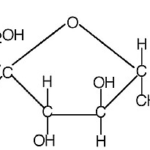
fructose

Don’t let the chemical symbol for fructose scare you. I am not in the mood for chemistry class either!

By now we have all heard that dietary sugar is of greater concern than dietary fat ever was. But is sugar all the same? The Nutrition Facts panel on food products lumps all sugars into one number. That might give the impression that sugar is indeed just one thing. However, it is not. Fruit for example, contains fructose and glucose as well as sucrose, which is a combination of the other two. Common table sugar is sucrose. Does it matter? In a word, yes. For a long time, many believed that isolated fructose might be better for our health because it is less likely than others to quickly raise blood sugar. However, there is growing evidence that fructose may be a villain, not the hero it was proposed to be:

  • Despite not raising blood sugar, fructose appears to increase insulin resistance in the liver. (Insulin resistance leads to diabetes.) It also turns to fat more quickly. I’ve written in the past that it has also been linked to high blood pressure, gout and kidney stones.
  • Fructose increases appetite and interferes with brain function. STUDY.
  • A diet high in fructose may be a risk factor for heart disease. STUDY.
  • Fructose also seems to damage the lining of the gut and lead to fatty liver disease. STUDY.
  • Fructose may be more likely than other sugars to sugar-coat our body’s proteins—a process called glycation. This virtual caramelization of our proteins is an aging factor. Glycation is especially concerning if the sugar-coating is of our brain proteins or our DNA. STUDY.

High Fructose Corn Syrup (HFCS) is about ½ fructose and is the most common way we consume fructose. It is very easy to overdose on corn syrup because it is used in thousands of grocery store products and not just sweets and sodas. It is in many brands of sauces, dressings, yogurts, frozen meals and other foods that you might not suspect. HFCS is especially insidious in liquid form because beverages slide down so easily without making us feel full.

Hawaiian Punch Fruit Juicy Red is a great example. (Hah! Clever how they subtly imply it is juice by adding “juicy” to the name.) The drink’s facts panel lists that 8 ounces contains 20 grams (5 teaspoons) of “sugar”. We must look at the ingredient list* to learn where the sugar comes from. The first ingredient on the list is water. That is another clue that this is not a natural juice. High Fructose Corn Syrup is next in order of abundance. The water and HFCS represent 98% of the product! Only a small amount of sugar comes from the tiny amount of fruit the punch contains. (In the footnote, I highlighted some other worrisome ingredients.)

Over-consumption of any type of sugar is very hard on the body. But, it is extremely difficult to get complete consensus (and government action) about the potentially elevated risks from fructose and high fructose corn syrup. That is because there are massive and powerful industries built on that sweetener. They don’t fool us by changing name of HFCS to the softer “fructose”, “corn sugar” or “fruit sugar”. HFCS is extremely profitable because it is so cheap…in part because our government subsidizes corn production. (!) For business reasons, those industries pressure regulators, legislators, the media and even scientists. We now know that industry can fund studies to come out with a conclusion that they like. They have also gone so far as to bribe scientists (even at Harvard) to publish good news on sugar when none was deserved. Who knows if that positive spin pressure is at work in this REVIEW. However, some points in that study are correct: over-consumption of beverages and accompanying additional bad habits of big fructose eaters are part of the problem.

A bit of good news: I stumbled across a study showing that cinnamon was very helpful in off-setting some of the negative effects of fructose. (No, no. I’m not suggesting it is okay to drink the punch if you just add cinnamon.)

_______

*Hawaiian Punch Fruit Juicy Red Ingredients: Water, High Fructose Corn Syrup, and less than 2% of: Concentrated Juices (Apple, Clarified Pineapple, Passionfruit, Orange), Fruit Purees (Apricot, Papaya, Guava), Ascorbic Acid (Vitamin C), Citric Acid, Natural and Artificial Flavors, Pectin, Acacia Gum, Ester Gum, Red 40, Blue 1, Sucralose, Potassium Sorbate and Sodium Hexametaphosphate (preservatives).


New reasons to appreciate vitamin C for heart health and more

limes72

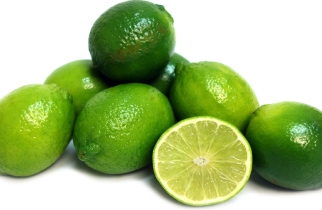
When it was discovered in 1920, vitamin C wasn’t the first vitamin known. However, it may be the most familiar to us. We have heard about early sailors who died from the vitamin C deficiency disease scurvy before it was discovered that adding limes to their rations prevented the disease. (Hence, the reason British sailors were called “Limeys”.) Indeed, citrus is the most well-publicized source of vitamin C, but the nutrient is also found in a wide variety of other fruits, vegetables and herbs. More surprisingly, since most animals make their own vitamin C, animal foods can also be a source of small amounts. Vitamin C is a bit fragile. For example, it is degraded by cooking and even more so in copper cookware. Vitamin C is not a sexy and trendy supplement, but it is very powerful.

  • Gum disease. Diseases like the flu come on quickly and dramatically. But, in contrast, a deficiency disease develops gradually. For example, bleeding gums may indicate that a person is low in vitamin C and is inching toward scurvy. Other signs of C insufficiency are easy bruising, irritability, shortness of breath, joint pain, poor wound healing, inflammation of the tongue, curly brittle hair, loose teeth, loss of appetite, tiny red spots on the skin, fatigue and eye redness. Article.
  • Sugar can cause C deficiency. A recent article from the Dr. Rath Institute stated “… due to the similarity of the chemical structure of the sugar and vitamin C molecules, excess sugar in the blood can block the channels necessary for transfer of vitamin C inside the cell, thus creating a vitamin C deficiency. (Secondhand smoke also reduces available vitamin C.)
  • Protecting the cardiovascular system. The Dr. Rath article continued “…a lack of vitamin C can damage the cells lining the blood vessel walls [thereby] promoting arterial plaque formation.” The Institute found that conversely, increased vitamin C intake helped protect cells from the damage caused by high blood sugar. (Note: researchers used a special combination containing calcium and magnesium ascorbate [a buffered form of vitamin C] and ascorbyl palmitate [a fat-soluble form of C]. You may find that type C in your natural food store. This item on Amazon will show you what to look for.)
  • Some cardiovascular drugs can cause C deficiency. Various “channel blocker” type drugs (such as Procardia and Nifediac) are used to control high blood pressure, angina and heart rhythm problems. Studies show that these drugs increase the risk of death, heart attack, breast cancer, and gum trouble. Many of those side effects are caused because the drugs happen to reduce the body’s vitamin C levels. Supplementing the vitamin C combination mentioned in the last bullet point apparently helps offset the drug problems. STUDY  

More: A previous blog discussed vitamin C in relation to endometriosis and aging. It covered dosage issues as well. Vitamin C also helps offset the health damage caused by stress.  An interview with Bill Sardi talked about the revival of the use of vitamin C with cancer.


Will the new administration be good for our health?

presidential-seal72

Will the new administration be good for our health? I fervently hope so. This blog is my Wish List for the next 4 years.

The President of the United States is the Chief Executive Officer of one of the biggest businesses on the planet. The President can propose or veto legislation; appoint Supreme Court Justices; and is charged with the buck-stops-here responsibility for a flock of government departments and agencies. We often blame the “bureaucrats”, but the mood is set at the top and filters down. As you may have heard, the new president and his transition team must fill 4,000 federal positions! (A close look at the presidential seal above reveals that I substituted the medical caduceus for the arrows the eagle usually clutches.) Below are some ideas how the leadership could improve our health. In the most general terms, we need health, NOT simply sickness management euphemistically called “health care”. I know I speak for thousands of enlightened service providers.

  • Health and Human Services / Surgeon General. These positions set the tone for what receives national attention and research funding (e.g. National Institutes of Health). Please, please see that functional/integrative/naturopathic medical fields are better represented. We need some fresh ideas in those circles about preventing disease and restoring normal balance in our bodies.
  • The Food and Drug Administration (FDA). Oh boy, this could be a long list. Most importantly, the agency must root out the massive conflicts of interest with the pharmaceutical industry. That would better protect us from harmful or useless drugs. It might also help the FDA with another problem—their automatic deep-seated prejudice against dietary supplements. These feds should also expand the ranges of the Recommended Daily Allowances to cover not simply preventing deficiency, but also promoting optimum function. We need strong FDA screening of medications that are new potentially toxic substances. However, it just doesn’t seem right that so many people must go to Mexico, Cuba and Europe for the most advanced or most natural cancer treatments. And, the FDA should make it much easier for folks on their deathbed to get the treatment of their choice.
  • Medicare. The news recently reported that Medicare is going to pay more for preventative treatment…for diabetes. Well, that is a start because diabetes is a very expensive disease. Hopefully, that effort will bear fruit and they will be encouraged to go on to fund true prevention (not the same thing as early detection) for cancer, heart disease, Alzheimer’s, etc. We know more than we are putting into practice. That is so obvious I can’t believe I’m even having to say it.
  • Federal Trade Commission (FTC). It would appear that this agency has teamed up with the FDA to suppress all non-drug forms of prevention and healing of disease. This agency has the power to (and should) go after products that make false claims. However, in the past, it has gone after supplement makers simply for making benefit claims that the FTC thought pushed the boundary of the area reserved for pharmaceuticals. Like the FDA they seem to operate on the theory that only drugs can prevent or treat disease. I wish that would stop. Well, now they are really going too far. The FTC has announced it plans to forbid homeopathic medicines for saying what they are good for unless they go through the whole time-intensive and unbelievably expensive drug approval process. Since the medicines cannot be patented, no company would go that route, because then all their competitors could sell the remedy too. It appears that the FTC wants to eliminate homeopathy.
  • Environmental Protection Agency (EPA). There is little or no health testing of thousands of the chemicals haphazardly entering our environment. This amounts to a giant uncontrolled health experiment and the public has certainly not given its informed consent. The EPA does warn us of dangers when there is a major chemical spill. But, what about the long term effect of a tiny dose of poison every day on our breakfast cereal? Agricultural glyphosate herbicides are a good example. Those chemicals adversely affect our cells and damage our essential beneficial intestinal microbes. Agencies also need to compare notes. E.g. I talked to the regional head of the EPA who was astonished and horrified to learn that the FDA still allowed mercury to be used in dental fillings.
  • Insurance. The Affordable Care Act (Obamacare) will change or collapse. Both political parties seem inclined to keep the useful provisions. Hopefully, interstate competition and some other improvements will bring down the cost. My hope is for better coverage of true preventive measures and less toxic forms of medicine. Adding support for health savings accounts would allow consumers to personalize their treatments and choose safer options. House Majority Leader, Kevin McCarthy sees the need for more flexibility. I chuckled when he noted that “we have 10,000 diseases and 500 cures”.
  • Department of Agriculture (USDA). This agency has a split personality. On the one hand, it is charged with our health as it develops and executes policy on farming, agriculture, and food. But, the flip side is that it is also charged with economics—helping our agricultural industry and its exports be profitable. Obviously, those aims are often in conflict. And sometimes the health aspect gets the yucky end of the stick due to the power of money. It was the USDA that, in response to lobbyists for the grain and processed foods industry, created the stupid food pyramid that has made us a fat and diabetic nation! Splitting this agency up would be a bureaucratic nightmare, but something needs to be done. I’m not the FDA’s biggest fan, but that agency handles a lot of food issues like label requirements, approving ingredient safety and recalls. Maybe FDA should control all nutrition issues.
  • Supreme Court / checks and balances. I personally believe that we are safer when the original system is followed: A. Congress writes the laws. B. The Supreme Court doesn’t make policy; it just makes sure existing laws are constitutional. C. The Executive branch doesn’t make laws either, it enforces what Congress passes. The Constitution did not create a federal nanny telling us what to eat. Nor did our founding fathers envision, for example, a requirement that every person be vaccinated against an ever-growing list of maladies. We should be cautious because there seems to be at least subgroups of people that do not do well with immunizations. It may be possible to identify those groups or make vaccines safer or substitute the homeopathic alternatives. However, there cannot be a healthy debate on the topic if dogma is enforced from the top.

Is my list impossible? Maybe, but as this election has shown, anything seems possible. Maybe dreams can come true.

An unfortunate scare and misleading advice in today’s Vitamin D “news”

vitdscare72

I planned to follow up the election returns by writing today about my hopes for the new administration. However, vitamin D popped up in the newspaper today and I started getting questions. Even though the two stories are related in a way, I’ll wait until next week to talk government. (You probably need a rest from that topic anyway.)

The following italicized quotes are from an Associate Press article that I link to here. After each excerpt, I give my opinion. Note that the only thing new in the article is that people are now paying more attention to vitamin D.

  • “Correctly interpreted, less than 6 percent of Americans ages 1 to 70 are deficient and only 13 percent are in danger of not getting enough.” (A) “Correctly interpreted” according to whom? In the past, lab results showed a blood level of 20 as the minimum. The minimum is now usually listed as 30. So, we should worry about those folks who had scores of 20-30 and were told not to worry. Moreover, thirty is still low. For example, if you want to prevent breast cancer, you might want to shoot for a blood level between 40 and 60. (Listen to our show on that topic.) Many experts that I respect say that up to say 75 or 80 is better. (B) There is a big difference between avoiding deficiency and having enough of a nutrient to support optimum function and prevent disease.
  • “Blood tests for vitamin D levels — not advised unless a problem like bone loss is suspected…” (A) That implies we should wait for a problem to be diagnosed rather than prevent it. (B) It also shows that the authors are only looking at vitamin D for one issue—bone loss. As the chart at this link reveals, vitamin D is crucial for a lot of other health problems. Look also at the variety of topics on this index at Vitamin D Council (VDC). (Both of those groups have advisors that are top experts in the vitamin D field.) Interestingly, even the researcher who is source of the information in the AP article is involved in a vitamin D study to see if “higher levels lower the risk of cancer, heart disease, stroke, memory loss, depression, diabetes, bone loss or other problems”.
  • “Too much vitamin D can lead to high levels of calcium in the blood, which can cause nausea, constipation, kidney stones, an abnormal heart rhythm and other problems.” (A) That is technically true. However, they should mention how very rare it is for a person to get too much vitamin D. See the quote below. (B) They might also point out that there may be more concerns about supplementing too much calcium than supplementing D. (What is in food seems okay.) Also, they might note that many of the problems listed can be due to having too little magnesium that helps balance calcium. And they could mention that vitamin K2 is needed to keep the calcium going into the bones instead of arteries where it causes the side effects noted.
  • “To be safe and ensure that everyone gets enough, they set the RDA at the high end of the spectrum of the population’s needs — 600 to 800 units, depending on age.” This is not the only RDA I think is highly questionable. Hmm…the same researcher who was the source for the article stating those low levels is using 2,000 IU per day in her study on the wide-ranging effects! Vitamin D Council’s notes on overdose say that taking 40,000 IU of vitamin D per day for 3 months might cause trouble. VDC also says that consuming 10,000 IU a day or less (that is the high end of the normal dose range) is safe. People can indeed get too much D when there is an industrial accident or an uninformed doctor prescribes too much of Calcitriol, which is a much different form of vitamin D than that available in stores. On our October 22 show, Carol Baggerly said that testing blood levels of vitamin D is very important since people react so differently to supplements and even sunshine. She also reported that the consensus of her prestigious experts was that the “average person” (not one is) should get about 7,000 IU a day including what is in food. Since there is not much in food, the typical supplement might be 5,000 IU.

Bottom line: From everything I have discovered in my search, I still think we are at much greater risk from getting too little vitamin D than too much. The only reliable way to know if we are hitting the mark is to do a blood test.


Healthy By Nature Show