Archive for the ‘general’ Category

“Fat head” may not be an insult

Whether or not that term is in an insult depends on who says it and the context. Maybe when it is hurled at a person viewed as arrogant (e.g. a person who thinks they better censor the news you see because they are smarter than you are) like the one above, maybe it is meant to offend. Sometimes a fat head photo again like the one above (maybe seen in a neighborhood flier or work newsletter) or a comically narrow head may just mean that the editor doesn’t know how “aspect ratio” works in their word processor. On the other hand, if the person saying “fat head” understands physiology, they might mean it as a compliment because the brain is about 60% fat. Even more surprising is that 20% of the cholesterol in the body is in the brain. (Note, poor maligned cholesterol is also what the body uses to make lifesaving vitamin D.)

Back in the 1970’s, inspired by the US Department of Agriculture’s ill-conceived and lobbyist-promoted food pyramid, dietary fat became the enemy. The bureaucrats (who were eager to promote the farming and processing of grains) threw avocados, nuts, fatty fish, and a lot of other great foods into the dietetic trash heap. The marketplace was then flooded with fat-free over-processed, high-carb junk food.

Had the so-called authorities cared to look at the science, they would have known that starting while we are still in the womb, certain fatty acids are required for proper brain development and maintenance. Fats are also important for eye development and eye health, cardiovascular health, skin health, and immune function as well as prevention of cancer, obesity, asthma, fatty liver, osteoporosis, diabetes, arthritis, and depression. These wonderful fats also help with any health condition where inflammation is involved—which might just be ALL of them. Omega-3’s also help with better sleep and resolving addictions including the smoking habit. Read an enlightening article published in the digital magazine, Agist. In it, author Corinna Bellizzi (a recent HBN guest) discusses how  omega-3’s helped her stop smoking and go from her being short of breath from just going upstairs to becoming a marathoner.

There are other beneficial fats such as omega-9 the monounsaturated fats in olive oil. But few have the scientific pedigree that omega-3’s have. (Today a search of the PubMed.org database for that term returns over 34,000 results.) The body cannot make the EPA and DHA components in omega-3 and so we must get them from diet or supplements.

Also, keeping the various fats in balance is crucial, because for example, omega-6 fats to a large extent have the opposite effects from omea-3. Historically, humans got about equal amounts of 3 and 6, but now, due to the abundance of processed foods, and reduced intake of cold-water fish and other omega-3 sources, we typically consume on average 15 times more 6 than 3. For more information on the crucial balance of omegas 3 and 6, see this journal article by Dr. Artemis Simopoulos, a renowned researcher and author who was also an HBN guest in years past. Reducing omega-6 helps some. One cardiology journal stated that replacing corn oil with olive oil and canola oil to reach an 4:1 omega-6/omega-3 ratio led to a 70 percent decrease in total mortality.

Long story short, we need get more omega-3 fats to balance the modern diet. Because of pollution of the oceans and the increase of farm-raised seafood, eating a lot of fish may no longer be such a great option. Supplementation makes sense. Next question…what supplement? The very best source I have found is Örlö Nutrition. It is absorbed 3 times better than fish oil or krill! It is an exceptionally clean vegan source because Örlö grows the same microalgae (plant) source from which fish get their omega-3. (No fishy burps!) It is also important to me and the planet that their space-age production is environment-friendly, sustainable and does not place any strain on the world’s fish populations. It is even better than carbon-neutral, it is carbon negative.

Örlö Nutrition has generously created a 10% discount code for HBN listeners. Enter the code HBN10 on the Orlo website or when ordering at 833-675-6669.


Skip breakfast, eat it, or enjoy a chocolate bar?

My Mom was right about most things. But, she always quoted that adage “Breakfast like a king; lunch like a prince; dinner like a pauper” and I do wonder about that. Surely IHOP and Denny’s are fans of that concept, but research is casting some surprising doubt about breakfast…at least for adults.

  • Skipping breakfast. I searched the PubMed.gov database for “skipping breakfast” and got a list of 1,023 journal articles going back 20 years!
    • It has been generally agreed that children perform / behave better in school if they have breakfast. An interesting study conducted in Spain concluded that “Skipping Breakfast May Increase a Child’s Risk of Psychosocial Health Problems”. Surprisingly, it not only mattered what they ate, but where…at home was best and away from home almost as bad as skipping the meal. The following takeaways are puzzling: “The findings also indicated a link between decreased behavioral issue risk and the consumption of coffee, milk, tea, chocolate, cocoa, yogurt, bread, toast, cereals, and pastries. Unexpectedly, greater chances of these problems were associated with eating eggs, cheese, and ham.” That said, I’m pretty sure that a kid who just eats only a Pop-Tart will be asleep before lunch because of low blood sugar.
    • One recent review of several studies, concluded that there was some evidence of weight loss in the breakfast skippers but on the downside, perhaps also an increase in LDL cholesterol.
    • A larger study reviewed previous studies and showed the opposite: “skipping breakfast increases the risk of overweight/obesity.” So, take your pick. Personally, I think that the lower carbohydrate (and therefore lower glycemic) choices (e.g. NOT bagels, pancakes, waffles) will have better effects on blood sugar and metabolism.
    • A 2015 study analyzed previous science and concluded: “Breakfast skipping is associated with a significantly increased risk of Type 2 Diabetes.” On the other hand, intermittent fasting discussed below has been used beneficially in place of insulin for diabetics. Study.
    • Another journal submission warned against cancer patients skipping breakfast.
    • Most all the studies noted above were ‘observational’ meaning the behaviors were reported after the fact. Meaning, subjects were not confined in a study institution with intake measured and controlled. There are surely other factors involved like feeling good enough to exercise.
  • Intermittent fasting (IF). I searched that term and the PubMed database returned 136,744 results from around the world! This type of time-restricted eating typically plans 8 hours in which food is consumed and 16 hours of fasting. That could mean eating breakfast at 7 AM and not eating after 3 PM but that wouldn’t fit into most schedules. So, I’ll bet it usually becomes something more like not eating after 6 PM and waiting until 10 AM for breakfast (e.g. brunch?) or tweaks of that plan.
    • One study noted that perhaps the main health improvements come from not eating at night and the resulting improved sleep, digestion and working with the body’s clock (circadian rhythms). ‘IF’ even seems to improve the gut microbiome. (I remember when writing the The Probiotic Cure: Harnessing the Power of Good Bacteria for Better Health, that I learned our friendly bacteria also have a circadian rhythm. Just giving the gut an extended time to rest seems useful.
    • Many studies show cardiovascular benefit and weight loss (calories were not reduced).
    • Several Healthy by Nature expert guest interviews have supported the concept of intermittent fasting. Fred Pescatore’s was a recent example.
    • I think the main thing to remember is no matter when you are eating, make it real food that still contains the nutrients God gave it.
  • Chocolate bar. Okay, maybe all that above was a little confusing, but this is where it gets just cray-cray. (I am not making this up!) KXAN TV in Austin, Texas reported “A new study shows some interesting findings about the impact of milk chocolate and your health. Researchers, including some from Harvard Medical School, found eating milk chocolate in the morning may help you burn fat and decrease blood sugar levels throughout the day.” Post-menopausal women were given 100 grams milk chocolate and one group was to eat it in the morning and another group to consume it in the evening. The morning group was satisfied and ate less during the day. Of course, a dietician had to take all the fun out of it by saying that more study is needed with more subjects and different ages…I guess we do. (Note. Women with PMS often crave chocolate perhaps because it is high in magnesium which is relaxing.) Naturally, I had to run my own experiment. I started putting a square of Trader Joe’s milk chocolate into my coffee. That is less than 1/3 the amount used in the study, but I did feel less drawn to carbs the rest of the day. Not scientific for sure, but fun.
  • Here is the thing. There are a lot of factors, not the least of which is that everyone is different. See what works for you.

The rest of the life expectancy story

August 31st, the New York Times (NYT) summed up alarming recent findings: “The average life expectancy of Americans fell precipitously in 2020 and 2021, the sharpest two-year decline in nearly 100 years and a stark reminder of the toll exacted on the nation by the continuing coronavirus pandemic.

In 2021, the average American could expect to live until the age of 76, federal health researchers reported on Wednesday. The figure represents a loss of almost three years since 2019, when Americans could expect to live, on average, nearly 79 years.” The genders have long been unequal. Women live on average 79.1 years and men, 73.2. (Oops, I have apparently outlived my warranty…and plan to continue doing so.)

That newspaper and virtually all other media outlets blamed most of the drop on covid-19 even though the US took a bigger hit than other countries that were similarly hit with the coronavirus. The NYT implied, despite scientific data to the contrary, that failure to be vaccinated was a very important factor. However, to their credit, the NYT did mention briefly that there are other reasons for the drop: “These include a fragmented, profit-driven health care system; poor diet and a lack of physical activity; and pervasive risk factors such as smoking, widespread access to guns, poverty, and pollution. The problems are compounded for marginalized groups by racism and segregation…”.

I will expand on the three of those factors that I believe have the biggest impact:

  • a fragmented, profit-driven health care system”. The current US medical system has been created and maintained top to bottom by the pharmaceutical industry. As you can see from TV commercials, it is designed to treat symptoms with medication. The idea of digging to the root cause of a problem and restoring balance at that level (ideally with natural methods) is not supported by the system—in fact, that approach is aggressively discouraged. The mainstream drugs-for-symptoms system is enthusiastically backed by medical schools, the medical establishment, insurance companies, the FDA, state medical boards, and, of course, big pharma lobbyists (who outnumber legislators more than 2 to 1). The highly profitable pharma industry has infiltrated and compromised every level of the system creating documented conflicts of interest.

There is no dispute that having large swaths of the population living with “underlying conditions” was the reason for most of the severe cases of covid and deaths. It is never mentioned that perhaps those conditions were avoidable. Worse yet, the “health” system I described above was responsible for massive criminal mismanagement of covid patients and resulted in hundreds of thousands of unnecessary deaths (more than 2/3 were needless simply because of failing to treat outpatients). The best way to understand who is to blame for the mess and how it happened is to read a wonderfully entertaining and thoroughly referenced book : The Courage to Face Covid-19: Preventing Hospitalization and Death While Battling the Bio-Pharmaceutical Complex.

Good news. You can effectively opt out of the mainstream medical system by taking charge of your health and not having a diagnosis. (That is what we aim to teach on Healthy by Nature.) First, understand that nearly all chronic conditions can be reversed (at least in the early stages) with natural methods and by basically undoing whatever got you in that shape. That requires commitment to learning more and to making changes. See next items as examples.

  • “poor diet”. HBN spends a lot of time talking about this because it is so fundamental. The American diet is too high in nutrient-depleted refined carbohydrates and too low in vegetables and nutritious fruits like the berries that I discussed last week. The goal is whole uncontaminated food consumed as close to how nature created it as possible. The Library articles ABC’s of Healthy Eating and We are what we eat are good places to start. I think that the main reason “poverty” was on the NYT times list of risks is because poor neighborhoods can be “food deserts”, i.e., lacking grocery stores.
  • pollution. You might think of smog when you hear that word. Of course, polluted air is a serious health problem. Unfortunately, it is hard for the average person to do much about that…except perhaps by smart voting and by supporting non-profit organizations working to protect us. (There are many good ones. I suggest using Charity Navigator to find out how responsibly your choice uses donations.) Indoor air quality is even more important than outdoor because it starts with whatever is outdoor air and then adds more which is sealed in energy efficient homes. A high-quality air filtration system is useful whether it is part of your HVAC unit or a separate device. Sources of indoor chemical exposure include smoking, cooking meth (😁), new carpeting, new upholstered furniture, and furniture that may have a wood veneer but is basically made of particle board (the glue holding particles together off gasses fumes).

Pollution of our food supply is a big issue. You might read the Aug 18 blog because it discusses glyphosate. The highly rated Environmental Working Group keeps a close eye on the toxins that appear in our food and lobbies for better standards. Please at least see their list of the Dirty Dozen produce categories that are most contaminated and therefore important to buy as organic.

Sure, genetics has something to do with longevity, but attitude is arguably the most important factor. Optimistic people have been shown to live longer. If nothing else, being determined to stay healthy (and therefore alive) might lead you to improve conditions and lifestyle behaviors that will add years and defy the stats.

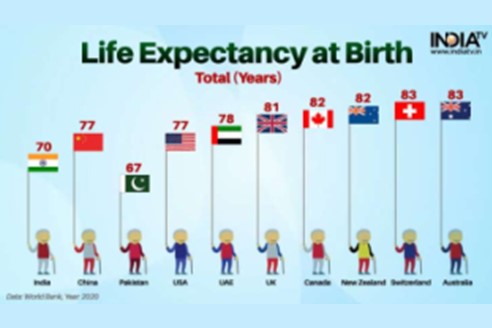
The graphic at the top came from an India TV News post. (I just noticed a mistake. The person holding the US flag is not fat.) The article noted that while the US lifespan has gone down, since 2019 China’s has increased and went on to say “China’s blueprint [to increase the longevity of its citizens] includes the promotion of health knowledge, proper diet, fitness, tobacco control, prohibition of alcohol, mental health and a healthy environment.” (HELLO, US government, HELLO!!!)

Berry Berry Good for you!


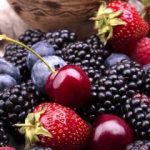
The various camps of nutritionists, dietitians, doctors, researchers, and authors do not agree on very much…e.g., carbs are a problem / are not; fats are bad / only some are bad; meat is an issue / so very much not; soy causes trouble / not if fermented; and so on, etc. But all of them love berries. That is because they (the berries that is) are high in nutrients and low in sugar and fat. The antioxidants and extraordinary plant nutrients such as polyphenols that berries contain have been shown helpful for everything from cataracts to cancer. Berries also add flavor, color, and fun to what might otherwise be a boring diet depending on which “expert” you follow. Below are a few examples.

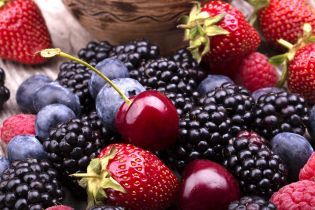
  • Cherry. I realize that cherry in the photo is not a berry. However, cherries do have similar benefits. Tart cherries especially have a reputation for helping arthritis and gout.
  • A blackberry is in fact a bundle of tiny fruits (druplets – fyi, that “u” is not a spelling mistake), each with its own seed. (The many seeds are likely why blackberries are used less in baking than say blueberries which are nutritional powerhouses and make dandy muffins.) Blackberries are especially rich in ellagic acid which is believed to be preventive of cancer and atherosclerosis. They are also rich in vitamin C, folate, and fiber.
  • Raspberries have been prized as a luxury fruit since history first recorded human preferences. That, of course, was long before scribes knew (or would have cared) about the berry’s high content of nutrients like those in the blackberry plus iron, potassium and vitamin A. One cup contains 8 grams of insoluble fiber which helps prevent constipation and prevents digestive bile from turning to a form that can promote cancer. Raspberry leaf tea is used to calm the morning sickness of pregnancy. Raspberries spoil easily. If refrigerated, they need air, so avoid sealing them up for example in a plastic bag and ideally spread in a single layer.
  • Strawberries are high in fiber and low in calories. The nutrient content is like those in the other fruits above. (Sadly, turning them into strawberry shortcake does not make them more healthful.) The non-profit watchdog, Environmental Working Group, lists strawberries at the top of their annual list of the “Dirty dozen” (most chemically contaminated produce categories making it smart to buy organic). Note, the strawberries in Pop-Tarts® are not organic…but then, with their content of high fructose corn syrup, sugar and white flour, you probably wouldn’t eat them anyway. Also, if you eat them right out of the toaster you can burn the crap out of your mouth (or so I’m told).
  • Elderberries are not usually on the menu as food, but they are very popular as a supplement (lozenges, pills, gummies, syrup) because alternative healers have found them to be anti-viral. Studies seem tentatively positive but are not conclusive. Oh my, just remembered that when I was at Girl Scout camp (which as you might imagine was a very long time ago) there was an elderberry tree by my cabin. I had heard of elderberry wine and got the (not) bright idea to make some elderberry wine using rubbing alcohol. Little did I know that not only is rubbing alcohol toxic, so are the raw berries. (Because it tasted awful, I survived that experiment but did end up in the emergency room with horrid poison ivy.)

I keep a jar of berries and one of cherries (Bing cherries work best) in the freezer for a refreshing and healthful tiny dessert.        

“Better Living Through Chemistry”? Not always!!!

That advertising slogan was adapted from one originated by chemical giant, DuPont, starting in the 1930’s. The problem with the cool sounding concept is that the “better” part too often applies to a limited aspect of living, e.g. convenience of some chore but pays no attention to potential health consequences. History is littered with thousands of examples, but this week I noticed the following current issues:

  • Toxic toilet tissue. In TV commercials, cute colorful bear cartoons talk (in terms that I think has gotten a little bit too graphic and personal) about comfort and cleaning ability of their brand of toilet paper (T.P.). (To be sure, if you’ve traveled internationally, you know that there is some like sandpaper.) There is no mention in the advertising of the fact that many brands are contaminated with per- or poly-fluorinated alkyl substances (PFAS). These are known as “forever chemicals” because they never go away. We’ve had guest experts on Healthy by Nature, such as Anthony Jay, PhD explain how damaging these (and other plasticizers like BPA) are to our hormone systems—e.g. then can act like estrogen but not as we might hope in a good way but in a way that causes disease.

The PFAS are typically used in non-stick frying pans, food packaging, firefighting foams, and toiletries. However, they end up in the environment with damaging effects on wildlife and our water supplies (they are not removed by municipal water treatment), and they can accidentally get into other consumer products. The bears’ favorite tissue, Charmin Ultra Soft Toilet Paper is one. (Oops, I just bought some because of a good coupon). We absorb chemicals though the skin. If T.P. was the only source, it might not be so bad, but of course there are many other ways we are exposed. What can you do?  This article describes gives more details and offers a way to help tell the government to put an end to this dangerous nonsense.

  • Glyphosate…good for business, but not for you. Industrial scale agriculture has become a ginormous profit generator for chemical makers. In 1970, a Monsanto chemist discovered that the chemical ‘glyphosate’ killed plants—i.e., it is a broad-spectrum herbicide. You’ve likely seen news about cancer caused by glyphosate and the resulting lawsuits. People who don’t have a disease that is so obviously linked to a big exposure (as a farmer might have), are still being harmed and this insidious factor is not in the news. The government tests for immediate poisoning but does not seem to have much interest in what happens to our health when we accumulate a little bit of thousands of chemicals every day over years and years.

The discovery of glyphosate also led to the development of genetically-modified varieties of crops to resist the plant-killing effects of the herbicide. GMO corn is a prime example. So, now we must worry about the health effects of not only the chemical itself, but the Frankenfoods they created to sell it. Making matters worse, big agribusiness now uses glyphosate not just during growing but also to dry out crops to speed up harvest. This use puts more of the toxin into the environment and creates other subtle harm.  Also, as one example, drying out wheat abruptly with glyphosate interferes with a natural process and makes the gluten in wheat more likely to cause trouble.  What can you do? Being an activist for change, is useful and you can add your voice to the demand that General Mills get glyphosate out of our food. It will help, as much as possible, to eat organic foods. Visit the non-profit Environmental Working Group for guides to which foods are the cleanest and those most contaminated. I also recommend routinely detoxifying your body with Reg’ Active Detox and Liver.

  • Are you fat? There is a drug for that. Besides the manufacturing of consumer products and agriculture, another major source of chemical risks is from medications. Of course some are necessary, even lifesaving. But their side effects are responsible for hundreds of thousands of deaths per year in the US. Pharmaceuticals are used in situations where there are safer and more health-enhancing alternatives. Recently, I’ve been seeing commercials for Ozempic, a drug for diabetes and blood sugar problems. It is also being promoted as a weight loss aid. It has side effects, including kidney trouble and potential for thyroid cancer. Oh, another is poverty because it costs $1,359 a month. According to the studies, you might lose 15% of the problem weight, but as soon as you stop taking the drug, the fat comes back. So, instead of coming to grips with the cause of blood sugar trouble and weight gain (which might be endocrine disrupters as mentioned above), people are expected to take the drug the rest of their life (unless one of the side effects kills them first). This linked article offers more details as well as ideas on weight loss diet and on natural substances that safely help regulate blood sugar.

Need a Monkeypox Vaccine?

I wanted to cover the hot topic of the day here. However, Jane Orient, MD sent an article that is much better than I could write, so instead of quoting her extensively, I’m just reprinting it here. (See the source.) As usual, if you see [italic text in brackets like this, it is me putting in a comment. BTW, I thought the photo above was funny, but if I’ve offended vaccine producers or monkeys, I apologize.]

Dr. Orient said:

“I hope you are resuming normal life. But should you again hunker down because of yet another infectious disease threat?

The head of the World Health Organization (WHO), Dr. Tedros (not a medical doctor), has declared that monkeypox is a “Public Health Emergency of International Concern (PHEIC), overriding the majority of his own expert committee of medical and scientific advisors.

It just so happens that there are two vaccines available. The government is paying to produce millions more doses. Should you grab one as quickly as possible?

One thing you should definitely do is abstain from sex with anyone except your faithful spouse. If everyone did that, the outbreak would fizzle out in two to three weeks. The vast majority of cases (98 percent) involve men who have sex with men. It is said that the vaccine might protect a person who receives it within four days after exposure, but there is no evidence to support this. [Sounds like a risky gamble based on a rumor.]

Sexual contact is not necessary for transmission. A person could get infected through direct or indirect contact with the skin lesions, say by hugging or sharing towels.

Things to know about the vaccine:

  • Everyone who gets it is an experimental subject. The government thinks it should be effective against smallpox and is cousin monkeypox, but it is impossible to test for efficacy. There has been no smallpox for decades and very little monkeypox. People do make antibodies, but do they work?
  • According to the vaccine label, as many as 1 in 50 recipients had a cardiac event of special interest, and FDA documents showed that up to 18% (almost one in five) had an elevated troponin level, a blood test indicating possible heart damage.
  • The vaccine may be immunosuppressive. Around 7 percent of HIV-positive subjects had worsening of their HIV test results and may be more susceptible to other infections. [It is thought by many experts that the covid-19 shots also suppress immunity and the effects of the two could be additive.]

Additional information:

        The safe and effective way to avoid monkeypox is to avoid exposure and to practice excellent hygiene—not to rely on experimental vaccines and treatments.”

[And, take your vitamin D, zinc, selenium and other immune boosting nutrients to be better prepared in case of an accidental exposure. This links to what the CDC advises about treatment.]


A wonderful weed

“A weed is but an unloved flower.” Ella Wheeler Wilcox

I image that at least a few people, seeing the word “weed” in the title thought that I was going to discuss cannabis. Relax, I am not.

Milk Thistle, is the weed in the picture (which I borrowed from the American Botanical Council) along with the following description). “Silybum marianum is a member of the daisy family (Asteraceae) and is native to the Mediterranean. Formulations made with milk thistle seed are used to address biliary digestive complaints, toxic liver damage, and supportive treatment in chronic inflammatory liver disease and hepatic cirrhosis.”

The mainstream news rarely (if ever) covers research on nutrients and natural remedies…unless, of course, a problem is discovered. (The many billions of dollars that big pharma spends on advertising just might be a factor.) That doesn’t mean that a ton of science isn’t out there. I entered “silymarin” [the common name of the extract of milk thistle] into the pubmed.gov research database. As of this writing, I got back 4,186 results. Here is a sample of recent titles:

Thinking that if I kept going page by page (I was only on page 3) it would take a long time and the list of conditions would end up be very long. To speed things up I just started searching random things like silymarin / virus = 174 and a wide variety of viruses. Just for grins, I entered “silymarin / wrinkles” which produced 15; then“silymarin / autoimmune” and got 23 results; “silymarin / cardiovascular” and got back 140 including cholesterol! This one among the cardio results caught my attention: Silymarin: not just another antioxidant. The paper discusses many health benefits, including for depression.

How can this weed affect so many different systems in our bodies? As we’ve discussed over the years on HBN, antioxidant effects benefit every cell and silymarin is a potent antioxidant. That milk thistle is also anti-inflammatory is major support, given that virtually every medical condition and even aging have an inflammatory component. Another reason is that the causes of various conditions are related. So, for example, if milk thistle helps blood sugar management (e.g. insulin resistance) that may well be protective against cancer and Alzheimer’s which both have been called ‘Diabetes Type 3″.

The beauty of nutritional supplements and natural remedies is that because of their gentle support of balance and normal functioning in the body, we enjoy fringe benefits. In contrast, pharmaceutical drugs work by forcing a reaction, and although they can be lifesaving, side effects are usually part of the deal. One factor often overlooked is that our colonies of friendly bacteria (which are so crucial to our health) are usually nourished by herbs but typically damaged by chemicals like medications.

As with any supplement, it is ultimately the best value and smart to select a product with a great reputation for quality.  Since the early 1980’s when I was a practicing nutritionist, I have recommended Jarrow Formulas because of their attention to science and exceptionally strict manufacturing standards. This link is to their Milk Thistle Extract which should be available at your favorite natural foods shop and online sellers.

Here is another thought. The same wonderful folks who bring us Dr.Ohhira’s Probiotics also make Reg’ Activ products. These products contains the probiotic ME-3 that makes the master antioxidant & detoxifier glutathione in the intestinal tract. Reg’ Activ Detox & Liver Health contains milk thistle extract and other ingredients to support liver health.

Here’s to weed power!

How long can you hold your breath?

Most people can hold their breath for 1 to 2 minutes under water. Perhaps you had a childhood “friend” or sibling think it was funny to hold you under water in the pool. You were likely NOT amused because when we reach our limit, we panic–we instinctively know that without air, we will literally die. Breathing comes naturally but breathing well may not always be automatic. I’ve noticed that when I get stressed enough, I may flat out hold my breath (but not for long). Controlled breathing can reduce stress and anxiety as well as improve sleep and help with a variety of health issues. Here is a good write-up about a variety of breathing exercises.

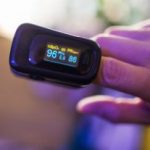
We all became more aware of blood oxygen levels with covid-19 news. Accumulation of mucous or clots in the lungs can interfere with oxygen uptake.  So, besides having a thermometer to watch for fever, we were told to have an oximeter on hand to make sure that blood levels of oxygen stayed at least above  92. (Read about covid remedies for congestion and clots in the HBN Library Covid section.)

Low oxygen (hypoxia) can show up as shortness of breath, headache, restlessness, dizziness (and more risk of falls), rapid breathing, chest pain, confusion, high blood pressure and in more extreme cases such as with the autoimmune condition, Reynaud’s syndrome, blue cold fingers and toes. As you will see below, improving oxygen levels has benefits even for those who are not technically hypoxic

Being in an environment with low oxygen availability can cause a problem. Examples of that would be high altitudes, scuba diving, in smokey area near a big fire, or in a house with a carbon monoxide problem. There are also many physical causes of low blood oxygen including anemia, asthma, COPD, emphysema, heart conditions, pneumonia and sleep apnea. Simply aging can result in poor circulation and therefore less efficient delivery of oxygen to tissues.

Obviously, it is smart to correct the environmental or physical problem causing the low oxygen levels (and it usually is possible). Gradually increasing aerobic exercise tolerance may help. Meanwhile, supplementing with oxygen can improve the symptoms. Hyperbaric oxygen chambers, oxygen concentrator machines, oxygen tanks, canned oxygen, ozone saunas and far infrared saunas are useful.

Iron and B12 pills to help with anemia have been the only supplements to help with oxygen levels. That is until Hemotek developed O2Boost. Powdered oxygen that could be used on the skin (e.g. to speed healing) or put in a capsule to give the immune system a boost, simply did not exist. Scientifically proven effective at raising blood oxygen levels, O2Boost would be great support for covid-19, autoimmune conditions. circulation issues, Lyme disease, mold toxicity, mercury poisoning  and various infections. Here is why most anyone (even those in fine health) would benefit from an O2Boost: Click here to listen to a recent interview about O2Boost.

  • Energy (O2Boost is not a stimulant, so the effect is more natural and subtle.)
  • Mental clarity (even if your biggest challenge is a 6-foot putt or the Friday New York Times Crossword) I find that when I take my O2Boost before doing an interview, I don’t have to pause to dredge up a name or the right word.
  • Fitness / Endurance (try holding your breath before and 20 minutes after taking the pill)
  • Altitude tolerance (don’t go on a mountain hike without it or even sightseeing in Denver)
  • Recovery time and reduced soreness (less lactic acid) after a workout
  • Wound healing (a topical product is coming soon)

Note: O2 Boost is a premium product, and especially if you take advantage of the subscription discount and the HBN listener discount (HBN15) through 9/15/2022, you would spend more to get your energy from a daily Starbucks Latte, grande (which, of course, is just a marketing name because it isn’t really grand in size.)

Nothing, NOTHING, is more critical to our health and well-being than oxygen!

Smart Supplementing


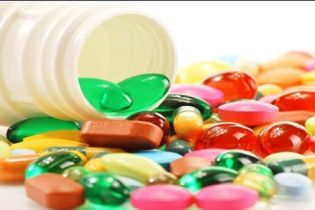
Every once in a while, we hear news about some study that supposedly showed that there was no benefit from supplements or even hinted at harm. Frankly, I’ve gotten tired of chasing each report down to find out what ridiculous error(s) in study design resulted in such odd findings going against the long history of exactly the opposite. The problem is usually: wrong supplement dosage or duration, wrong form of the supplement, supplement needs another nutrient to work, or looking for the wrong end point, etc. There are many ways to plan for failure and that is usually exactly the goal.  

In a recent blog I wrote about How to Pick a Great Multivitamin. To put that item in a broader context, you might check the Library page on supplements in general (nutrition concentrates). It covers: who needs them, safety, what does proven mean, dosage, interactions, and how to buy / take / store them. The article also lists some very useful nutrient / symptom databases.

Also helpful in supplement planning is the Library page, suggestions for a good basic program. It covers ideas for beneficial additions beyond the basics. Like anything else, supplements come in all grades from yikes, to good, better and best. Fine products are a good investment, cheap imitations…not so much.

Of course, for special situations, there are specific supplements with targeted benefits. Examples: the covid remedies, colds and flu remedy kit, and for cancer. (Anyone with cancer should first read this groundbreaking Bill Sardi article.)

It goes to show the effectiveness of supplements that the pharmaceutical works so hard to suppress them. Read about how they are trying to take away your right to heal naturally.

(By the way, in case you are curious, in one of the pages linked above, I reveal my age.)

Mosquitos, WHY ME?

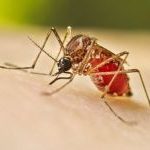
“Hate” is too strong a word. So, let’s just say I am not fond of people who brag “mosquitos NEVER BOTHER ME.” Also, I take no pride in bitterly complaining the reverse, “mosquitos LOVE ME”. I have wondered if I could help the government track mosquito populations, because if there was a mosquito anywhere in the zip code, she (they are the biters) would be gnawing on me. Was I eating too much sweet stuff (probably)? Or using the wrong shower gel (probably)? Science has finally discovered the surprising way the critters do  choose their victims. I’ll get to that…but first some basics.

Seriousness. Mosquitos are more than annoying. They spread diseases such as malaria, Zika, dengue, chikungunya and West-Nile virus.

Step one. In controlling the varmints first deprive them a place to lay their eggs. They do that in standing water, and it only takes as much as might collect in a Perrier bottle cap. A full plant saucer or an abandoned tire? Or overturned garbage can lid? Those are ideal nurseries. Howard Garrett, “The Dirt Doctor” has many good suggestions for natural mosquito control. A couple of years ago, I noticed that we seemed to have a lot of mosquitos inside the house. Obviously, that is creepy and not at all fair, since they have the whole of outdoors. I guessed that the problem was possibly a mosquito had laid eggs in the stagnant water in the drain of a seldom used guest shower. We flushed that out and sealed it off…the problem stopped.

DEET. The ”authorities” (who I have come to trust less and less) always say to use repellent that contains the ingredient, DEET. Yes, it works, but at what price? DEET has been suspected of environmental damage and with exposure to people: seizures, uncoordinated movements, agitation, aggressive behavior, low blood pressure, and skin irritation. Read more. On the positive side, the Environmental Protection Agency does not have enough evidence to say that it does or does not cause cancer. The supposed risks of  DEET may be a bit exaggerated, but why bother then there are safe natural alternatives? I like a natural deterrent product called, Skeeter. They make products to protect your patio or your body.

When bitten. I have found that heating a spoon in hot water and pressing that on the bite greatly relieves the itching. A homeopathic gel, Sting Stop, is also useful.

The BIG WHY? By now most people know that we have trillions of bacteria, representing thousands of species living in our intestinal tracts—our microbiome. Most people (unless perhaps they read my book, The Probiotic Cure: Harnessing the Power of Good Bacteria for Better Health), may not be aware that there is also a massive collection of bacteria ON OUR SKIN, called our external microbiome. Each person’s assortment is unique to them and can even be used by law enforcement much like fingerprints. Somehow, scientists determined that different breeds of mosquitos favor certain microbiomes. Dr. Ross Pelton reviewed some of the details in this article. The research did not offer insight in how to use the new information to fend off the pests. Know this: you can’t just kill off your skin bacteria. (1) You need them for health (2) they will come right back.

Now what? I believe I’ve noticed a drop off in my attractiveness to mosquitos when I bathe with Dr. Ohhira’s award-winning Kampuku Beauty Bar. Of course, I have not run a controlled scientific experiment to verify this effect, but what the heck? It is a lovely “soap” and produces healthier skin even for folks with chronic skin issues.


Healthy By Nature Show