Archive for the ‘general’ Category

Vitamin C Facts – Part 2
As promised, listed below is more of the vitamin C science that I recently stumbled upon.

Aging and Alzheimer’s. In this journal article authors noted that supplementation with vitamin C appeared to reduce inflammation, signs of aging and unwelcome brain alterations as well as extend lifespan. Bill Sardi got my attention when he told us that there was a dramatic loss of health and lifespan when mice were altered so that they could no longer make vitamin C internally from their blood sugar. He also taught us that, due to a genetic mutation, humans lost the ability to make their own vitamin C. Therefore, to maintain optimum blood levels of C, we must eat a lot of it and supplement. See end of this blog for a third option.

Allergies. This study showed that vitamin C helped allergy symptoms. That did not surprise me since vitamin C has long been known to have an anti-histamine effect. Clinics that test for allergies and chemical sensitivities are ready with intravenous vitamin C to quickly stop a bad reaction. The linked study used vitamin C in IV form because they needed high levels and I assume they could not rely on people to pop vitamin C pills throughout the day.

Bleeding Gums, frailty and mood. This is one of the first signs of “scurvy”, a disease that medicine thought was long abolished. Scurvy is caused by inadequate intake of vitamin C and can lead to severe complications such as bone pain, heart failure and even seizures. Although a lot of supposedly “healthy” people can have early symptoms of scurvy, those most at risk are alcoholics, isolated elderly folks, persons with mental illness, and those who have gastrointestinal problems or have had weight loss surgery. A recent case report of 2 elderly gentlemen concluded: “After a few weeks [of vitamin C supplementation], a significant improvement was noted in level of frailty, mood, bleeding tendency, and gum health.”

Diabetes. A study published in November is entitled:“Ascorbic acid [vitamin C] supplementation improves postprandial glycaemic [post after-meal blood sugar] control and blood pressure in individuals with type 2 diabetes. Those of us who don’t want to become diabetic should also take note.

Gallbladder Stones. This journal article noted: “Risk factors for cholesterol gallstones in humans include obesity, aging, estrogen treatment, pregnancy and diabetes. Plasma ascorbic acid [vitamin C] levels are reduced in these groups.”  

Glaucoma. This study showed that vitamin C is metabolized into a substance that lowers the pressure inside the eye.

Protection from Toxic Drug Effects. This animal study showed that vitamin C reduced the genetic damage caused by a potent drug—without decreasing its effectiveness. I imagine we’d find that same effect with many other medications. Note, a large number of drugs deplete vitamin C.

Stress. Vitamin C accumulates in different amounts in different tissues. For example it is important in how the adrenal glands handle stress. I like the title of this article in Psychology Today, Vitamin C: Stress Buster.

Visceral Obesity [fat around abdominal organs] and Nonalcoholic Fatty Liver Disease. Who would have thought of vitamin C as a way to fight fat? In an animal study, adding vitamin C to even a high fat diet reduced the risk of developing fat around organs and nonalcoholic fatty liver disease (a big problem these days). Mice were used in the study. They make their own vitamin C internally, so I think it is really interesting that supplements of extra C had such an effect.

The wide variety of benefits of vitamin C shown in last week’s blog and this one certainly suggest its importance. As Bill Sardi taught us, we can keep a bottle of vitamin C pills handy so we can take a supplement 4 times a day and more when we are under stress. I think Formula 216 is better option.

Crucial facts you probably don’t know about vitamin C

You probably don’t know many of these facts—as a clinical nutritionist, I should, but I didn’t. My interest in the benefits of vitamin C increased recently because of facts that Bill Sardi brought to light about improved health span and longevity related to this humble vitamin.

Most people only know that vitamin C can help prevent colds, as well as shorten their duration and reduce their severity. I was aware that vitamin C (also known as “ascorbic acid”) did more than that, but I was blown away when I started poking through the research on the government database, PubMed.com. I would enter the search “vitamin C” and whatever condition popped into my head. I did not find a single condition that was not improved by having adequate blood levels of vitamin C. In fact, each study lead to two more topics. I had to just quit if I was going to finish this blog.

The items below are just the beginning. Next week, I will discuss: Aging, Allergies, Alzheimer’s, Bleeding Gums, Diabetes, Gallbladder Stones, Glaucoma, and Protection from Toxic Drug Effects. Gosh, it may take more than two weeks because I should also cover why we may not have enough, even with the best diet and typical supplementation. Then there is the good news that we can restore the body’s ability to make vitamin C from blood sugar as most animals do. If you want to skip ahead and understand that now, read this Whole Foods Magazine interview with Bill Sardi. 😊

CARDIOVACULAR

  • Stroke. In a large study, middle-aged men with the lowest plasma levels of vitamin C were more than twice as likely to experience a stroke!
  • Female nurses who took vitamin C supplements had a 30 % lower risk of Heart Attack! Based on that stat, something like 300,000 lives per year could be saved each year if everyone supplemented with vitamin C.
  • This review of studies stated: “Vitamin C has been shown to be an effective therapeutic for reducing total serum cholesterol”. They determined that doses of at least 500 mg / day significantly reduced LDL cholesterol and triglycerides. The elevating effect on HDL was not significant at this dose. (I’m guessing it might be at higher doses.)
  • Clogging of the arteries (atherosclerosis) can be caused in animals by greatly increasing their cholesterol. In one study, doses of vitamin C that are a human equivalent of about 10,000 mg / day significantly reduced the arterial plaque.
  • Congestive Heart failure (CHF) is extremely serious and hard to treat. An animal study showed that out of hundreds of agents tested, only vitamin C could enable stem cells to become heart muscle. In another study it was demonstrated that vitamin C can help patients with CHF by suppressing the signal for cells within blood vessel linings to essentially kill themselves.

IMMUNE SYSTEM

  • Vitamin C helps the function of most types of immune cells. A recent Journal Article stated that “supplementation with vitamin Cappears to be able to both prevent and treat respiratory and systemic infections”. Authors noted that “saturation”, not just “adequate amounts” [according to whom?] might be needed, especially to fight existing infections.
  • Going well beyond the head cold, vitamin C is valued in more progressive cancer Several studies show that administering it intravenously helps chemotherapy work better and protects healthy cells from the effects of radiation.
  • Sepsis” is a grave condition caused by the body’s overly enthusiastic response to an infection. In the US, it affects more than a million people a year and for 25% or more of those it is fatal. New research found that adding vitamin C and vitamin B1 to the intravenous hydrocortisone the hospital mortality rate dropped from 40.4% to 8.5%!

That last item is the only one I heard about on the news (NPR). Shame on the media!

I once asked two time Nobel Prize winner, Linus Pauling, how much vitamin C he took per day. As I recall, he answered “I take 14,000 mg a day now, but when I get old I will take more.” He was in his 80’s at the time. 😊 In response to this blog I heard from someone who knew him in his 90’s. Apparently then he was taking 16,000 mg a day. (Sometimes folks get tunnel vision. I hope he was also taking zinc and other needed nutrients.)

Digging Deeper into a Recent Vitamin D Study

Sigh. Studies that cast doubt on the value of supplements are automatically assumed true and publicized as such. There seems to be a prevalent mindset that humans are poorly designed and cannot function without medications. Ridiculous. We are by nature healthy…if we give the body everything it needs for optimum function and we don’t gum up the works with excesses it cannot handle.

One thing we don’t get enough of for optimum function is vitamin D. The original plan was that we would be functioning most of the time in the sunshine and naturally form vitamin D when the sunlight touched our skin (typically 10,000 IU per day). Modern indoor life and the admonitions of dermatologists to cover up with sunscreen have changed that dramatically. Virtually every cell in our body has a receptor for vitamin D and it interacts with over 3,000 genes. I guess we can assume it must be pretty important. It is being researched, but often in a way that produces misleading results.

For example, a vitamin D study released in November 2018 concludes that 2,000 IU of supplemental vitamin D does not help prevent cardiovascular problems or cancer compared to a placebo. On the plus side, it was very large, randomized, placebo-controlled and fairly long (5.3 years so far). I have these concerns about putting too much stock in the study’s conclusion.

  • They called 2,000 IU a “high” dose. Recent research shows most of us probably need between 7,000 and 10,000 a day to reach optimum blood levels of 70 ng/mL or so.
  • Testing the difference in health outcomes based on blood levels of vitamin D would be much more meaningful. The participants were all given the same dose of D no matter how low their blood levels were to start with. Although researchers checked one year in and saw some increase that was not used as a factor in gauging results.
  • They did not check to see if participants had sufficient storage of magnesium to activate the vitamin D. By the conservative estimates, half of Amercians do not get enough magnesium.
  • I looked up the full text of the study to see if they monitored sun exposure and it appears they did not. This is important because, for all we know, the placebo group instinctively sought out more sun time. Milk contains vitamin D and it isn’t clear if they controlled for milk intake.
  • Although 5.3 years is long as studies go, cancer can take decades to reach diagnosis stage. Therefore, the benefit of vitamin D might be more apparent over a longer time. Interestingly, even in this brief time, there were already positive trends in every category. For example, this quote; “During follow-up, 341 participants died from cancer, with 154 such deaths in the vitamin D group and 187 in the placebo group.” That is a significant difference in my book, but it seems they were looking for invasive cancers, not deaths so this fact didn’t come out in the headlines.
  • In a discussion of other studies, this paper noted that different organs can have different needs for vitamin D. Also, those with a high body mass index (fat) need more D. Also, African Americans need 20% more vitamin D. This study included 20 % black participants. As is so often the case, all of these differences just mentioned were lumped together hiding what may be important to certain subgroups.
  • The study was not geared to record any fringe benefits participants might have enjoyed from increased D levels. E.g. they may have had fewer colds, a more cheerful outlook, more energy, etc.

Bottom line: Don’t take this study too seriously. The best thing to come out of it was showing no harmful side effects from a “high” dose of 2,000 IU. I recommend getting your blood levels tested and supplement with whatever dose it takes to stay in the optimum range.

Part 2 of Science Marches on

Prevent a Return of Colon Polyps: A reader had a polyp removed during a colonoscopy and wanted to know how to avoid developing another one. He is concerned because they are considered pre-cancerous. I asked my favorite gastroenterologist, Jeffry Fine, MD. He said to limit animal protein and fat and to take at least 2000 iu of vitamin D3 with 45 mcg of vitamin K2.

Medical Deaths Put into Perspective. Medical errors are considered the 3rd leading cause of death in the US. Then there is the documented 106,000 deaths from drugs given as prescribed in hospitals. Add in the common side effects of drugs taken at home (e.g. something like 16,000 deaths a year from NSAIDS) plus overdoses of opioid pain killers and we are talking colossal numbers of fatalities. For comparison: more deaths from meds and erros in any one year than breast cancer, gun shots, auto accidents, AIDS, home fires, tornadoes, floods, and workplace accidents all combined! Oops, wait, that is still way short. You also have to add the total of two recent middle East wars and the 911 tragedy! That total is mind-blowing, but we should also consider the gradual degenerating contribution of medications to deaths that are in the end officially blamed on some other causes. (See a great example of that in the section below.) This situation is why HBN preaches to prevent disease and use natural solutions whenever possible.

Question from Tom about a relative’s cancer. “Back in August, I learned that my sister-in-law, age 68, has stage four brain cancer. She has been undergoing the standard medical treatments, but the prognosis is not good. I was shocked when she told me that she has used Omeprazole [a proton pump heartburn drug, a PPI] for the last 20 years. I am just wondering if this very long term usage has anything to do with her cancer. After reading your book about natural alternatives, I stopped using Omeprazole and found other things I could do to help my acid reflux. I quit smoking back in 1975, and I figure that was one big decision that has let me live this long (68 years). I can’t imagine having to use any drugs for decades. Thanks for a wonderful site to find good, reliable info.”

My reply to Tom. Thank you for the kind words and you are very smart to ask that question. There is no way to prove a connection between the drug usage and her brain cancer, but well known research and knowledge of physiology would lead to that conclusion. Connect the dots:

  • Stomach acid is critical for absorption of the mineral zinc. Zinc is critical for immune function and helps preserve the thymus gland. The thymus produces immune cells that protect against the viruses suspected in some brain cancers.
  • Acid suppressor drugs also interfere with the uptake of selenium, a mineral that helps zinc and is considered highly cancer-protective.
  • Stomach acid is needed for absorption of magnesium that is needed for hundreds of body functions including brain health. Magnesium is needed to properly utilize vitamin D. Low vitamin D increases the risk of brain cancer. (Most people are low in D to begin with.)
  • PPI drugs interfere with the formation of vitamin B12 which is critical for the health of the nervous system and brain function.
  • Reducing stomach acid leads to an imbalance of good to bad organisms in the gut. That imbalance can directly interfere with immune function and damage the lining of the intestinal tract. A damaged lining called “leaky gut” allows toxins and organisms to get into blood circulation and reduces nutrient absorption. Many experts think that when leaky gut is present there is also a “leaky blood/brain” barrier. Cancer risk increases in tissues that are deprived of nutrients and exposed to toxins.
  • Back to your sister-in-law. Since we can’t help get her off the drug retroactively, blaming her would be unkind. Sadly, she is unlikely to do well under the care of doctors who do not have a clue about these connections. I’ve known of many stage 4 cancers that were reversed with functional-medicine/integrative/alternative methods. If she is open to that idea, there is a lot of information about cancer and links to doctors in the Library of this site. I pray she is guided in the right direction.

Science Marches on Part 1

Recently I’ve received questions from show callers, listener emails and interesting news. A quick review seems in order. This is Part 1:

Toxic Aluminum / Autism and Alzheimer’s: Aluminum is believed to be toxic to the nervous system and is suspected as a contributor to breast cancer. Journalist Jon Rappoport has written two enlightening blogs. Part 1 discusses the high levels of the metal found in autistic brains and in vaccines. Part 2 talks about Alzheimer’s and the idea of lowering aluminum levels with drinking water that contains silicon. (Dr. Einsohn introduced me to a product to protect bones and structure. Maybe it has a fringe benefit: Orgono Mineral Silica Liquid. It’s a more effective delivery system than pills and has no taste.)

More on Autism plus Polio-like Infections in children: Bill Sardi wrote an impressive article relating those conditions to Arsenic and Glyphosate (agricultural weed killer). ARTICLE. Note: it is now horrifying that now one child in 59 is on the autism spectrum. The rate has been increasing by 6-15% per year. E.g. in 2000 the rate was 1 in 150.

Dry Eyes: On the Dec. 1 show Dr. Jeffry Anshel discussed that topic and many others related to eye health. A caller who didn’t get on air wanted to know if castor oil was good for dry eye. Dr. Anshel says “no”. During the show he had recommended biotears.com.

Leaky Bladder? A listener in Albuquerque asked about this problem. Here is a link to information from the Mayo Clinic. They say it may help to avoid: Alcohol, Artificial Sweeteners, Caffeine, Carbonated Beverages, Chocolate, Citrus Fruits, Spicy Foods and Tomatoes. The problem can also be aggravated by vitamin D deficiency and by taking some Medications (for blood pressure, sedatives, and muscle relaxants). Elsewhere Mayo suggests weight loss and special exercises. If the problem is mainly one of starting to go just before reaching the commode, you might try training the brain. Go before the need becomes urgent and wait a minute before giving the signal. I had my mom do that and repeat this in her head: “I wait to pee until I sit and count one, two, three.” It helped her.

Next week I’ll discuss prevention of colon polyps; how heartburn drugs can cause cancer; ozone for tooth whitening; and among other things, I’ll put drug deaths into an understandable perspective.

Poison your way to health?

Medications can save lives if used properly in a crisis and help manage conditions for those unwilling or unable to change their habits. I certainly do not recommend readers stop a crucial medication without discussion with the doctor. (It is exceptionally dangerous to suddenly stop psychiatric medications.)

But, wouldn’t our ancestors be astounded to learn that 20% of the US population takes five or more drugs each day? And, for context, that the effects of those meds in any one year kill more Americans than breast cancer, gun shots, auto accidents, AIDS, home fires, tornadoes, floods, and workplace accidents. Actually, to come close to the total annual drug deaths you have to add the total of two recent wars and the 911 tragedy! Those shocking numbers don’t even reflect the serious under-reporting or the fact that drugs contribute to deaths blamed on other causes. 

Most drugs, even those originally based on herbs, are now new-to-the-planet new-to-humans chemicals. It is no surprise that they all have side effects. That is because their mode of action is typically to poison a natural bodily process in order to calm a symptom or force a test result change.

Unfortunately, too often meds also interfere with a process that we need. For example, statin type cholesterol drugs interfere with our ability to make heart protective CoQ10. Nonsteroidal anti-inflammatory drugs (such as Advil, Aleve, Aspirin, Celebrex, Motrin, and many more) calm pain, but as you may know, also weaken the lining of our intestinal tract and cause thousands of deaths annually from internal bleeding. As pharmacist, Suzy Cohen, points out in Drug Muggersvirtually all drugs interfere with nutrients. As I note in Natural Alternatives to Nexium and other acid blockers, among other problems, those heartburn drugs interfere with critically important vitamin B12 and magnesium.

Medications are too often prescribed when there is no proven necessity. For example, cholesterol lowering drugs are given to the elderly when studies show they live longer without them. Or that up to 50% of the time, antibiotics are wrongly used for viruses or when watchful waiting would be better. (In the Probiotic Cure I detail the tragic price we pay when antibiotics kill off our good bacteria.) Drugs are given in doses that are arbitrarily too high, for longer than makes sense, and in combinations that have never been tested (polypharmacy).  

Try listening to TV drug commercials with your eyes closed so that you aren’t distracted by the pretty pictures. The potentially lethal side effects they list so casually may not even be the worst problem. Because doctors are programed to automatically give a medication for any complaint, that there is rarely an effort to find and fix the real cause. It doesn’t help that they receive so little training in other approaches.

Drugs are also routinely used when there are less toxic alternatives…telling that story that is what Healthy by Nature’s radio show and writing is all about. Natural remedies are typically very safe and, because they enhance the body’s fundamental processes rather than interfere with them, they usually provide fringe benefits. While you work on one thing, 2 other things may get better!

The main reason for the overreliance on medications is that pharmaceutical industry money has been proven to corrupt the FDA, the US Congress, state regulators, medical schools, medical journals and even doctors.

Check out this Library Page. (I’ve added this blog copy to it.) At the bottom you will find links to save money on drugs; guides to drug safety (e.g. interactions, identify a pill, side effects, patient comments); statistics on use; evidence of willful wrongdoing by the pharmaceutical industry; radio interviews; and helpful books on the topic.

Drug Blues and Nutrition News

Drug Blues and Nutrition News

Every single day around the world there is more information about our near miraculous nutrients and plants. However, because wealthy big pharma can lobby the news media so effectively, what we usually hear about are drugs they hope will someday be a silver bullet. They kind of forget that most of the ones they ballyhooed previously turned out to be only narrowly effective, grossly expensive and with scary side effects.

Fortunately, our HBN listeners and readers can safely prevent and even cure diseases for just pennies and with fringe benefits instead of side effects. Our blockbuster show on vitamin C this coming Saturday is one example. Below are a couple more tidbits:

  • Alzheimer’s disease has been linked to viruses. Known for causing cold sores, herpes simplex virus type 1 (HSV1) is quietly lying dormant in the majority of people by the time they are seniors—even if they never have had cold sores. There is growing evidence of a strong connection between (HSV1) and Alzheimer’s. Apparently, when a person is stressed, the virus acts up and causes damage. Then it seems the amyloid plaque despite its bad reputation, may just be a defense mechanism. In folks who also carry the APOE4 gene, the risk is 12 times greater. Article. Knowing that there might be a virus involved in this dread disease is good news because we can boost our immune system (e.g. zinc, vitamin C, probiotics, thymus glandulars, etc.) and gently fight viruses with natural antivirals like elderberry, garlic and olive leaf. The amino acid L-lysine might also help as it seems to with cold sores.
  • Zinc deficiency during pregnancy linked to autism in babies. Without sufficient zinc, the babies nervous system does not behave normally. The researchers said that the link isn’t proven as a cause just yet. However, modest supplementation can only help. Oops…”One-A-Day Prenatal” contains zinc oxide which is very poorly absorbed. And, if a kid is borderline because he didn’t get a good start on zinc from mom when he starts getting lots of vaccinations, maybe this is the real autism / vaccine connection. Bill Sardi has been telling us to make sure kids have enough zinc on board before getting immunizations. (His kid’s vitamin has 10 mg and it is the well-absorbed citrate form.)

Selenium is a superstar

The trace mineral selenium certainly doesn’t get the attention it deserves. The following items are not in priority order because they are all extremely important.

  • Thyroid. An under-functioning thyroid gland can be responsible for depression, high cholesterol, constipation, pain, heart trouble, menstrual irregularities, fatigue, hair loss, memory issues and other problems. Learn more. Inadequate intake of selenium is one cause of thyroid problems because selenium is needed to convert the storage form of thyroid hormone (T4) into the active form (T3). Here is an example study showing that selenium and zinc help thyroid function.
  • Helps zinc. On the radio show (especially when Bill Sardi is the guest) we frequently discuss the critical importance of zinc to our immune function, general health and longevity. However, zinc can be bound up and selenium frees it. In one study, zinc plus selenium improved immunity in older animals after vaccination.
  • Antioxidant. As you probably know, our cells are under constant attack by “free radicals” that are also known as “oxidants”. Free radicals are a major cause of inflammation, cancer, heart disease, Alzheimer’s, and so on. Selenium is one of the nutrients offering significant protection from these oxidant attacks. One way it does so is by being used in glutathione peroxidase (master antioxidant/detoxifier).
  • Selected benefits. Given the fundamental way selenium operates, we can expect a wide range of downstream benefits. The following are just examples.
    • Cancer.Many studies show that cancer patients have low levels of selenium. (And vitamin D.)

In an exciting interview with Dr. Richard Passwater, the researcher told us about a randomized trial showing that an organic form of selenium yeast cut overall deaths from cancer in half! It also dramatically cut the incidence of various cancers (e.gprostate cancer reduced by 63%, colon cancer by 58%, etc.). The inorganic forms of selenium pills (e.g. the more common sodium selenite and sodium selenate), while perhaps useful in some way, have not been shown to have this dramatic cancer protective effect. Sadly, when the National Cancer Institute began a study supposedly designed to “replicate” that research, they used the wrong kind. Jarrow Formulas’ product SeleNext uses the form implemented in the original study.

Selenium’s functions listed above would help explain the anti-cancer effects, but there may be more ways. Studies show that supplementation even to individuals with normal blood selenium levels resulted in a dramatic improvement in the ability of lymphocyte type immune cells to kill tumor cells and a large rise in the activity of natural killer cells.

  • Alzheimer’s. It does not prove cause and effect, but several studies have demonstrated that Alzheimer’s patients have lower blood levels of selenium.
  • Autoimmune disease. Low levels of trace minerals such as selenium is a common finding among patients suffering autoimmune diseases. Example study.
  • Postpartum Depression.This study said: “…supplementation with selenium during pregnancy might be an effective approach for the prevention of postpartum depression.”

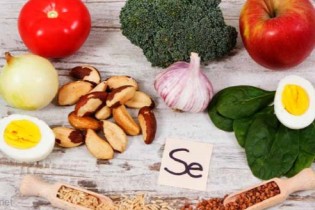
Form and quantity matter. The foods shown in the photo are good sources of selenium if the soil in which the foods are grown contain adequate selenium. Most people don’t eat Brazil nuts which is the richest source. It seems smart to supplement without going over 400 mcg per day which is the safe upper limit of selenium for food and pills combined. (Government site that lists food amounts.)

The multivitamin / mineral that I take (Molecular Multi) contains 120 mcg of selenium as amino acid chelate. That means the mineral is carried by a component of protein to make it more like food. In contrast, Centrum Silver only offers 19 mcg. and that is sodium selenate an inorganic form that, according to Wikipedia, is also used as an insecticide.


Colds and Flu Remedy KIT

In a previous article, I discussed preventing colds and flu, but if we unfortunately get sick we need to know what to do. Most people have a cold for about 7 days and feel subpar after the flu for up to 2 weeks. However, with quick action using natural methods, you can nip a problem in the bud…or at least shorten your sick time so that you are just annoyed rather than truly miserable.

On the page listing Colds and Flu Do’s and Don’ts, I list the dangers of drug store medicines. Symptoms may be evidence of the healing process at work (even fever), so we should be careful suppressing them with toxic chemicals. The concerns about prescription drugs for the flu are also discussed on that page. In contrast, the natural antivirals suggested below have fringe benefits, not toxic side effects.

All of the following work in different ways and can be combined:

  • Vitamin D– Keeping your blood levels of vitamin D in the 75-100 range will help greatly to prevent illness. But, several experts also say that if you take temporarily high doses (e.g. 50,000 units a day and even more for 3 days from the onset of symptoms) you can nip viral infections in the bud. It has worked for me. 
  • Vitamin C– If you have heard that vitamin C does not help prevent or treat colds and flu, that was probably based on faulty studies. This study points out that regular intake of vitamin C does help prevent and alleviate infections including pneumonia. The most effective doses were in the range of 6,000-8,000 mg /day. For prevention (and other benefits) I take 500 mg vitamin C capsules plus bioflavonoids 4 times a day. To achieve the higher doses recommended when you are sick, a powdered C might be more convenient.
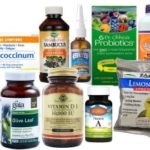
  • Oscillococcinum®– At the first sign of symptoms, try this hard to pronounce homeopathic. If you wait until you are absolutely positive it’s a cold or flu, the pathogen has had time to multiply and your odds of success are lower. Some of the science is controversial but suggests that it is safe and reduces the duration and severity of flu symptoms. It is easy to take tiny pellets and handy to have with you. 
  • Elderberry extract– They call the contamination of a computer a “virus” because of the way it works. It takes over the computer machinery and spreads the misery to other computers. Human disease viruses are not separate multiplying entities like bacteria, but rather rogue genetic material that inserts itself into our cells and uses our own processes to make copies of itself. The virus is more vulnerable when it first arrives with just a protein or fat coating containing its genetic material. Once it becomes hidden inside one of our own cells our immune forces have more trouble finding it. (Our good bacteria are very clever and can help direct immune cells to hidden enemies.)This yummy berry extract has a scientifically confirmed folklore reputation as an antiviral for helping with colds or flu. In this scientific article about flu drugs, elderberry extract, was compared favorably to Tamiflu in effectiveness.There is other evidence that it is helpful with both bacterial and viral infections. This paper regarding its use with the H1N1 virus, notes that it may keep viruses from being able to bind to our cells. I prefer the liquid and one sweetened without sugar. Add it to ginger tea if you like.
  • Olive leaf extract– This is a plant used for centuries because it relieved infectious disease symptoms. Modern science shows that one of the actions is against viruses. Read Dr. Ron Hoffman’s interesting write-up which is complete with scientific references. Kyolic has a great combination (#103) that contains olive leaf, aged garlic extract, oregano oil and many other ingredients that will help you get well.
  • Zinc lozenges – As a review of studies concludes, the mineral zinc, especially in lozenge form, results in “a significant reduction in the duration of cold at a dose of ≥ 75 mg/day”. (Follow package directions but do not go to sleep at night with one in your mouth because you will awaken with a metallic taste that lasts for hours.)
  • Probiotics– A number of studies have shown probiotic bacteria to help with viral illnesses. Not all studies show benefit, but then researchers don’t always use great products. In this journal article, the authors speculate that probiotics may help fight viruses in these ways: (1) direct probiotic-virus interaction; (2) production of antiviral inhibitory metabolites [selective antibiotics]; and/or (3) via stimulation of the immune system. There is no conclusive proof yet, but, it can’t hurt you and probiotics have other benefits. You can’t do better than Ohhira’s Probiotics. I like this brand because it already contains hundreds of helpful substances made by the bacteria and it improves the gut environment for all our hundreds of strains of beneficial bacteria.
  • Magnesium– Magnesium supplements should be part of the basic supplement program for most people, but if you feel achy from a cold or flu, soak in a warm Epsom salts bath. Not only is it soothing, you will also absorb magnesium through your skin. Since it is anti-inflammatory and helps detoxing, you may get well faster.
  • Vitamin A-Vitamin A helps the immune system and supports the health of the mucous membranes like those of the sinuses, throat and lungs. There is little risk in supplementing at high doses (25,000 IU or more) for 2 or 3 days
  • Silver nasal spray – On the Do’s and Don’ts page, I suggest using a nasal flush with a netti pot. That helps clear out mucus. Then I recommend dosing with Sovereign Silver nasal spray to kill any pathogens that might be hanging around.

BE READY! Too often when we start to feel icky, it is after the health food store is closed and we don’t feel like going out anyway. That’s why I keep my “colds/flu remedy kit” in a plastic cleaning supplies tote like the one shown below.  I also include a copy of this page because, if I feel awful my brain is tired too. In addition to the items above, it also contains a box of tissues and a sack to isolate the used ones.

Think positive and avoid harmful medications.

Is it really the season or is it us?

Avoid Colds and Flu!

It is called “the colds and flu season” because so many get sick during that time. But, you and your family don’t have to be victims. Follow these steps to be the “lucky” ones who don’t get whatever is going around at school or the office.

  1. Some of the common seasonal advice is useful. For example, the guidance to avoid close contact with sick people, cough into your sleeve and wash your hands often makes sense. That is especially important when you are touching railings, knobs and buttons in public places. Sanitizing hand gels also help. Unless you have just washed your hands, don’t be tempted to rub your eyes or pick a dry winter booger because you might be putting germs right where they can quickly set up shop.
  2. The conventional wisdom explanation for having a “season” for these upper respiratory ailments is only part of the story. Yes, the air might be drier and we might be inside around more people, e.g. at school. However, another important factor is that because we are indoors we do not get as much sunshine. As you surely know by now, sun exposure is how nature intended us to manufacture vitamin D. However, you may not fully appreciate how critical vitamin D is for avoiding infectious disease (as well as cardiovascular disease, cancer, depression, asthma, autoimmune conditions and much more.) Over half of Americans are deficient in Vitamin D all year and this “sunshine” vitamin is obviously even scarcer in the winter. The current enlightened thinking is that it takes supplements of 5,000-10,000 IU a day to reach optimum blood levels. Learn more at this Library link and at the non-profit Vitamin D Council.
  3. Another seasonal anomaly is our increased intake of sugar starting before Halloween. Sugar acts as a major drag on the immune system for several hours. Nuts and fruit will help dull the cravings. If you have a hard time avoiding sugar—even feel addicted—you may have too much yeast in your system. Yeasts make chemicals that tell you to find their favorite foods—sugars and starch. To learn more about that problem take the yeast quiz. Sugar and the bad company it keeps (e.g. refined flour, artificial colors, flavors, preservatives, emulsifiers and contaminants such heavy metals and agricultural chemicals) damage the friendly bacteria in our digestive systems. Not good because they make up 75% of our immune function. Studies show that supplementing probiotics reduces the incidence of respiratory infections.
  4. While some blame the heavier winter foods for dragging us down, it seems more likely that the problem is not so much what is added but what is missing. Most people eat lighter fare in the summer and that includes fruits and salads. Those contain plant antioxidants that help immune function and they are also a source of vitamin C. Many studies show that regular intake of vitamin C reduces the incidence and severity of colds. Here is a recent example.
  5. Hustle, bustle and stress seem to pick up in the fall and winter. Those may in turn interfere with sleep. Stress and sleep deprivation are well known to reduce immune function. So, avoid burning the candle at both ends. Prioritize your to-do list. If something at the bottom doesn’t get done…oh well, at least you will be healthy enough to tackle it tomorrow!
  6. Due to unfortunate changes over time in our food supply and diet, most people are low in the mineral zinc. To date, zinc is known to perform over 100 functions in the body. One important job is to keep the thymus gland vital and producing immune cells to fight off disease. Read Bill Sardi’s enlightening article about this important nutrient and how to get the kind of zinc that will be absorbed and used. That is important, because an excess of the wrong kind can interfere with our ability to use the right kind. He also has a fascinating one about the flu protection that we get from eating eggs.

Choose to not participate in the colds and flu season!

Copyright Martie Whittekin, CCN 2009-2018


Healthy By Nature Show