Archive for the ‘general’ Category

How did Uncle Ralph break health rules and yet live to age 89?

We’ve all heard various versions of this old refrain. It is usually thrown out to defend against good advice. Don’t smoke – “hey what about Uncle Ralph? He smoked 2 packs a day.” Eat more vegetables – “he was a meat and potatoes guy.” Organic products are better for you. “He never heard of organic, didn’t take vitamins…and so on.”

There are a great many reasons why it isn’t smart to base our health choices on Uncle Ralph or grandma or George Burns (pictured above with his ever present cigar):

  • Most obviously, if Ralph had been on a better path, perhaps his genetics might have kept him healthy and active to age 109.
  • Folks born that long ago got a much different start in life. For example, they probably had a much greater diversity of gut bacteria. Most likely they were not delivered by cesarean section; not given antibiotics as an infant; not bottle fed; not kept in an over-sanitized home; or prevented from playing outside in the dirt. All of those conditions deplete our crucial beneficial bacteria.
  • The foods they ate in the early decades of their lives were real, not fakes constructed out of a chemistry set. Every government assay of produce shows foods have progressively become less nutritious. Back then, farms still rotated crops and used natural fertilizers that enriched the soil and plants. Foods also were less likely to be imported or picked green and shipped across the country which depletes nutrient value.
  • Foods were also cleaner because old fashioned farming made for stronger plants that didn’t require so many chemical pesticides, herbicides, fungicides, desiccants, etc.
  • That meat Uncle Ralph ate was also quite different. Because it was more likely from cows that grazed, it would have had higher content of omega 3 fats and no antibiotics. That meat did not concentrate the chemicals on the grain that cattle are fed today.
  • There were not thousands of tempting processed foods laced with addictive ingredients. Every box, bag and can in the grocery store was not packed with sugar or mercury-containing high fructose corn syrup.
  • Diet dictocrats (and the government) weren’t giving them RIDICULOUS advice like this one: “margarine is good for heart disease and eggs are bad for it”. Or this one: “eat 11 servings a day of starchy foods and avoid fat.” (Hello, diabetes.)
  • There weren’t 10’s of thousands of chemicals assaulting them from the air, the food and the water. The drinking water didn’t contain fluoride. These toxicants disrupt cell function and use up nutrients.
  • Without such serious pressure from pharmaceutical firms and insurance companies, doctors were then more like naturopaths who try to restore balance and get to the root cause of problems rather than medicate symptoms into submission. Meds deplete our nutrients and harm our bacteria—two of the reasons they have side effects. Today the proliferations of specialist provides highly specific care but we miss the holistic view of the old timey doc with his black bag.
  • Our forebearers were more active because they didn’t have so many labor-saving devices. Color TV’s didn’t come on the scene until the 1960’s and they certainly didn’t have 500+ channels to keep them glued to the sofa.
  • They got more sunshine and sleep. Nuclear families were more likely together for emotional support…I could go on but, it should be clear by now we live in a different world.

Today, when we aim for organic foods, take supplements, etc. we are just trying to offset a bit of the damage all the changes above have created.

Quote:

“Change isn’t always good. Sometimes changing things is a terrible mistake.”
— Bob Barker, longtime host of The Price is Right

 “And a step backward, after making a wrong turn, is a step in the right direction.”
― Kurt Vonnegut, in his book Player Piano

Make a Senior’s Home Safer

5 Ways To Make a Senior’s Home Safer

Cass Steele, Freelance Writer

With nearly 90% of all seniors over 65 years expressing their interest to age in place for as long as they can, making the home safe for them to live in is now more important than ever. America’s population is aging, and it is estimated that there will be 76 million seniors 65 years and above by 2035. The healthcare burden of seniors can be reduced by allowing them to age in place safely. By implementing safety measures at home for seniors and eliminating immediate threats, they can stay there for as long as they are otherwise able. Not only are we doing a service to the elderly allowing them to fade with dignity but, we also reduce the pressures on the healthcare system and improve the quality of care. To do this, there are serious home modifications that we must make.

  1. Secure Stairways or Move Seniors to the Ground Floor

Falls and slips are the number one causes of injuries and death among the elderly according to the CDC. Aging weakens their balance, gait, eyesight and motor coordination. Stairways are hazards for seniors because they can trip and fall. Ensure that the handrails are secured and that the step heights are adjusted to make climbing easier. Hallways and the stairs should also be properly lighted. Dedicating a room for them on the ground floor is another solution to avoid staircases altogether. If your loved one wants to keep their bedroom upstairs, it is also an option to fit an electricity-powered chair to move them safely.

  1. Modify the Bathroom

The bathroom is another threat to seniors living independently. Install grab bars, curb-less showers and elevated toilet seats for comfort. Taps should be replaced with motion sensors or levers. Place non-skid mats everywhere to avoid slipping. Put a chair in the shower or install a walk-in bathtub to avoid climbing over the ledge of a traditional tub. A bath lift can also be added if your seniors have difficulty getting in and out of the tub. For an extra layer of security, make sure that their life-saving alert buttons are hung around their necks or strapped on their wrists for any emergencies.

  1. Keep the Kitchen Safe

Seniors are at risk 2.5 times more for dying in a kitchen fire according to a FEMA report. The CDC states that more than 76 million cases of food poisoning occur each year. To make the kitchen a safe place for seniors, install induction stoves, smoke detectors and bright lighting. Invest in auto shut-off appliances. Put food and non-food items within reach and replace glass items with unbreakable materials. Check fridge temperatures, throw away spoiled food and make sure to remove clutter from the kitchen.

  1. Bedrooms Should Be Senior-Proofed

Removing carpets in the bedroom is a better option but if you cannot do this, put in anti-slip rugs. In addition to adequate lighting, you can also install lights that switch on or off by motion or command. Consider a senior bed that is elevated and adjustable to make it easy to get in and out. To avoid falls, install guard rails and plenty of grab bars in strategic places.

  1. Improve Access Indoors and Outdoors

Widening doors ensures that seniors in wheelchairs, walkers and canes can gain access indoors and outdoors without a problem. ADA accessibility standards dictate that doorways must be at least 32” wide and halls 36” for wheelchair users.  Removable ramps must also be in place for easy access.

It is possible for seniors to live independently in their own homes with little risks. By carefully planning home modifications and alterations, you can keep loved ones safe and happy through rest of their life journey.

This photo was Martie’s addition to remind us that keeping seniors strong also helps keep them safe. Exercise, good nutrition, and smart supplements go a long way toward that goal.

How do we get energy from “energy drinks”?

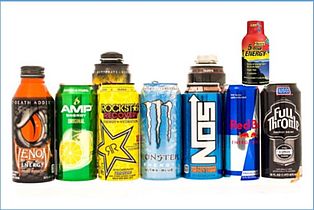
When my husband Bill walks our dog, Ollie, he often brings home litter that he finds on his path (Bill, not the dog. Ollie is smart but would just pee on the can.) One day he showed up with an empty can from an NOS energy drink. Bill has been brow beaten into reading labels and pointed out that the 16-ounce can was marked as 2 servings. Most people drink the whole can and therefore consume all 53 grams of sugar. That is about 13 teaspoons of sugar. That got me to thinking about energy drinks in general but, let me finish up with this good example of something I don’t think anyone should drink.

The sugar in the can is high fructose corn syrup (HFCS) and that is the second ingredient after water. Not only does our blood sugar system react badly to HFCS, it is also a source of toxic mercury. The yellow dye in the product provides aluminum that we sure don’t need. NOS contains sucralose (a.k.a. Splenda), 2 preservatives and a bunch of other chemicals that are hard on our friendly bacteria. Its 2 sources of caffeine total 160 mg—3 times as much as a Coke. There is an amino acid and a smidgeon of vitamin B6 and B12.

Most other energy drinks are similar. 5-hour energy has more vitamins and amino acids, but also sucralose (again not good for our bacteria friends) and less water. Water itself makes you feel more energetic. All the energy drinks that I’ve checked depend mostly on caffeine for a boost. The highest amount I’ve found is Redline with 316 mg in 8 ounces—a little more than 2 shots of Starbucks’ espresso. (Here is a caffeine chart for your reference.)

Caffeine doesn’t create energy. It more or less whips the adrenal glands into releasing adrenaline. Our body will have to counteract that stress effect at some point and use its other resources to replace the adrenaline. Over time we may risk adrenal exhaustion. Caffeine might produce a burst of pizazz that could save your life driving across West Texas and may improve mental function for a test. However, it is not a sustainable model. Mayo Clinic lists some of the problems with drinking more caffeine than your body can properly metabolize: “Migraine headache, Insomnia, Nervousness, Irritability, Restlessness, Frequent urination or inability to control urination, Stomach upset, Fast heartbeat and Muscle tremors.”

Researchers associated with the World Health Organization have come out against energy drinks as a class. Here is a good discussion about the drinks…and another (the source of most of the photo).

I am one of those people who do much better with tea. It provides a smaller amount of caffeine and in a more timed-release fashion. Better yet, the caffeine effect is naturally balanced with the stress-relieving amino acid, theanine which may lower blood pressure. The energy is smooth and longer lasting. My favorite brand of tea is the pure, flavorful, convenient instant crystals of Pique Tea. They have blends with and without caffeine.

There is a “con” in the vitamin D “controversy”

Most media articles on vitamin D quote studies that say there is no consensus that vitamin D helps whatever the disease that study focused on. At the very least, they say that more study is needed before people start supplementing. I’d like to debunk that so-called “debate”.

Humans are designed to get sunshine. Sunlight, among its functions, triggers our skin to turn cholesterol into vitamin D. Virtually every cell in the body has a receptor for vitamin D, so it must be pretty darn important. Many experts pretend that we get the needed amount of sun exposure, forgetting that most of us live indoors, get to work in a covered conveyance, work in a building and come home when the sun is down. If we dare to go outside, we are covered with clothes or sunscreen. Those “experts” point out that milk is fortified with vitamin D. Hah! Never mind that milk consumption is down, the amount of D added is small and it is D2 rather than the much more effective type, D3. These vitamin D supplement naysayers and downplayers do a great disservice to the public.

Many of the studies that fail to find benefit from vitamin D use tiny daily dosages (400-800 IU) that are barely adequate to keep a child from getting Rickets. There is so much good quality science already out there, that we must assume these researchers have a deep bias or an agenda to promote drugs for the consequences of vitamin D inadequacy.

There is a new page in the library—25 Benefits of Vitamin D. It was reprinted by permission form the Kotsanis Institute. The list contains an amazing variety of benefits. That reflects what I mentioned…every one of our cells is using vitamin D. I will mention just a couple of the many benefits that are ignored by the media.

Cancer. There is impressive data linking low vitamin D and a higher risk of breast cancer. (Sadly, you don’t hear about that from the cancer charities.) In 2014, a review of studies said that evidence of vitamin D protecting against cancers was inconclusive. Hmm. Here is a study published just last week that shows a fairly dramatic advantage for D protecting women against colon cancer.  Here is another one this month showing a significant reduction in breast cancer with blood levels above 60 being optimum.

We have been warned to stay out of the sun because of the risk for skin cancer. A study recently completed in South Africa showed that 90% of those suffering non-melanoma skin cancers (basal cell or squamous) had blood levels that were deficient or at least sub-optimal in vitamin D. Vitamin D is crucial for the immune system. It is complicated, but the bottom line is one way or the other, be sure to get sufficient vitamin D.

Depression. As we will discuss on the show this week, in the last couple of decades, the rate of suicides has increased by 25%. Although ½ the victims have not been formally diagnosed with mental illness, most are apparently depressed. A study published this week showed that blood levels of D track with both depression and obesity (which is also depressing). Another recent study showed that blood levels of D around the time of pregnancy are a major determinant of whether mom becomes depressed. (Mom probably stopped playing tennis and gardening and was warned away from supplements?)

Could the widespread use of sunscreens that block the formation of vitamin D have a subtle influence on the suicide problem? What about the huge increase in the use of statin drugs to lower cholesterol…remember the body needs that to make vitamin D. Teens are among the biggest factors in the suicide trend. In an article from 10 years ago, I saw that 1 in 7 teens were deficient and half of African American teens were deficient in vitamin D. It is even scarier that what was considered normal then is known now to be low. Teens now seem to be indoors more and are drinking less milk that has at least low levels of supplemental D.

There are 2 other articles on vitamin D in the Supplement Section of the Library on this site. For example, there is information about testing and safety. I also call your attention to some notes on this brain/mood page relating to Dr. Martin’s appearance this week on the subject of suicide.

HBN’s guiding principles

It seemed it might be time that we reviewed the bedrock beliefs that guide Healthy by Nature’s choice of guests, sponsors, blog topics, consumer events and well, everything:

  • We should reject classic fake news. The gradual decline in health and vigor with age may be typical in the USA, but it is unnatural and unnecessary. We can be active and healthy to a very advanced age, IF we learn to obey nature’s laws.
  • We don’t catch diseases, we create them. God gave us miraculous bodies. When we don’t burden the body with excesses it cannot handle (e.g. stress, sugar and toxins) and provide optimum nutritional support, miracles happen! [As an example, on last week’s show, Sherry Rogers, MD listed 7 toxic M’s: Mercury (now in corn syrup and sugar), Meds (she said statins guarantee Alzheimer’s), Mycotoxins (from yeast overgrowth), Mangled fats (like trans fats), Manufactured toxins (like Teflon), Managed Care and Monsanto (the chemical giant that brought us aspartame and now pushes GMO’s  and the toxic herbicide in Roundup®).]
  • Diseases should not be treated as drug deficiencies. Staying alive propped up by drugs is not the same as LIVING. All drugs, by definition, have side effects. In contrast, most natural approaches offer fringe benefits. It is common sense to use less toxic and non-invasive approaches first and save the heavy artillery of drugs and surgery for emergencies.
  • Doctors do the best they can in a broken system. However, to avoid over-treatment and missed opportunities, consumers must arm themselves with the nutrition and prevention information that the average doctor has simply not been taught and may have been wrongfully warned against.
  • We were originally provided with the health basics. They include exercise, clean water, adequate sleep, sunshine, a supportive social network, spiritual wholeness, a toxin-free environment, and of course, good nutrition.
  • Good food must be the base, but today a sensible dietary supplement plan is also a necessity. Laying a good nutritional supplement foundation provides a broad range of cellular benefits and can limit the number of special supplements needed for specific ailments. We recommend products based on research, not hype. High quality products bring the most reliable benefits and are less expensive in the long run. There is a big difference between the common low price and the rarer good value.

Mission: HBN aims to educate listeners with responsible science-based information that is tempered with history-proven wisdom. We hope to motivate listeners to choose a healthful path that leads to wellness, abundant energy and a bright outlook. Although the show supports its carefully-chosen sponsors, neither the host nor the show sell anything for their own benefit.

I hope you share these seemingly sensible beliefs. But, if you don’t agree I’m open to hearing a well thought out counter argument.

Why we must be very picky about vitamin brands

Technically, in the photo above, both are cars. But no one would confuse the junker on the left with the $12 million Rolls-Royce Sweptail on the right. The differences among dietary supplements are almost as dramatic.

Bogus study hits the news. A recent review of studies proceeded as though crappy supplements are just as beneficial as good ones. That is one reason the report concluded that dietary supplements do not have benefits against cardiovascular disease or deaths from any cause. The video at this link itemizes other serious problems with the study and shows why the conclusion is nonsense. Shortcomings of the study include: bias, conflicts of interest, excluding data not published in English and zero control of compliance rates or dosages consumed. To me, the most brazen deceit was tossing out positive results from use of the mineral selenium. Apparently, good results from a supplement did not help achieve their intended goal of discrediting supplements. (On that basis they sure wouldn’t want to include the many positive studies on Kyolic Aged Garlic.) Such junk science may serve the vested interests of the authors and publishers. And, their flakey conclusions are plausible enough to fool a lazy media, but they do a great disservice to the American public.

Why supplementing is common sense. According to the Centers for Disease Control “Just 1 in 10 adults meet the federal fruit or vegetable recommendations…” Even those who do eat exceptionally well have a problem. That is because every few years when the government tests the nutrient content of foods, the levels are lower. (Factory farming practices are the reason.) Medications that we take and residues of pesticides and herbicides on food block nutrient uptake. They also use up our stored nutrients to detoxify them. Stress depletes many nutrients. Due to genetic differences, some people need much higher levels of certain nutrients than the typical diet provides. Extra amounts of nutrients can do more than protect us from deficiency diseases, they can help us heal and operate at optimum levels.

Examples of why quality matters.

  • Vitamin B6 operates in the body as Pyridoxal-5-Phosphate (P-5-P). The cheaper form, pyridoxine is typically used and listed on labels as simply B6. If you supplement that form, the body must do some work to make it into the active form, P-5-P. That work uses energy and among other things, magnesium and vitamin B2.
  • As Bill Sardi discussed on last Saturday’s show, the cheap form of folic acid is used so widely in food fortification that people may become overloaded with it. Then they may not be able to make sufficient amounts of the active form of this B, folate. Up to half of us are already genetically poor at converting folic acid to the active folate. An excess of unmetabolized folic acid is implicated in mental disorders, miscarriages, strokes, migraine headaches, even a compromised immune system. Read more.
  • The most easily absorbed and utilized form of vitamin B12 is Methylcobalamin. The “methyl” part also offers some benefits in helping with detoxification. Too often products use Cyanocobalamin instead. The “Cyano” part of that is cyanide which you may know as a poison. Cyanide is an issue especially for smokers and those with kidney problems. It should also matter to anyone who values the tiny power producers in their cells (the mitochondria) because cyanide is bad for them.
  • There is a growing appreciation for the crucial role of those energy producing mitochondria. For example, they may be a key factor in Parkinson’s disease. Parkinson’s patients’ mitochondria apparently don’t create enough energy to run their systems normally. A preliminary lab study indicates that a type of vitamin B3 helps revitalize the mitochondria.
  • Synthetic and inferior forms of vitamins may be worse than taking nothing because they can interfere with the body’s ability to use the real thing.
  • The minerals in some multivitamins are rather like ground up rocks—not exactly what the body is accustomed to being fed! For example, zinc citrate is far more beneficial than cheap zinc oxide. Centrum Silver®, as a popular example, contains poorly absorbed zinc oxide and at only 11mg. (It also uses all the low-grade forms of the vitamins discussed above, other cheap mineral forms and unnecessary chemicals.) In contrast, Molecular Multi uses zinc citrate and at the 30 mg dose which research shows is needed. Yes, using all the finest, most useful ingredients costs more. But, Bill Sardi would rather do it right…even if that means he can’t sell his multivitamin in retail stores because that would double the price.

If you want good results, I recommend using good products.

Stay off the slippery slope to crisis medicine


Too often, people land in US hospitals where 440,000 of them die each year due to medical errors and hospital-acquired infections. Also, in hospitals, over 100,000 patients die annually from side effects of medications administered as prescribed. Besides those scary risks, it is just no fun!

We hope not to be hospitalized with a medical crisis, but do we really have a choice? Other than a true accident (e.g. you are sitting at a stoplight in your convertible and a piece of frozen effluent from an airplane drops on you), we probably have much more control than we realize. Hospitalization usually means that a person’s health and quality of life has taken some serious hits in the recent past. However, the trouble likely started long before that when the fixing was relatively easy.

As the name of our show implies, we are supposed to be healthy naturally if: (1) we give the body everything it needs for optimum function and (2) don’t gum up the works with excesses it can’t handle. I created the graphic above to show how subtle violations of rule (1) can accumulate over time and result in a crisis. As you can imagine, the gradual accumulation of toxicants and other excesses (e.g. stress and sugar) can follow a similar path, thereby breaking prime directive (2). Follow the colors below to explain locations on the slide.

1. GREEN – Cells are well-nourished with vitamins, minerals, protein, healthy oils, plant nutrients, good bacteria and well hydrated. The person is vigorously healthy with a positive outlook and superior resistance to immune challenges. Do you know anyone who goes to the doctor and asks her to explain why they feel so good?

2.TEAL – Nutrients are being used up faster than they are replaced, and so backup stores start to become depleted. Only specialized testing such as hair mineral analysis or red blood cell magnesium can give clues. The person probably thinks they are still fine.

3. BLUE – Bodily functions are now being subtly affected by the insufficiencies (not as severe as deficiencies). For example, enzymes function poorly or cell membranes become rigid. Nutrients are rarely measure with special functional blood tests. But, the body does give us signs such as: bleeding gums (vitamin C), nail spots (zinc), changes on tongue (B vitamins), nervousness (B vitamins and magnesium), fatigue (B12 and most others), constipation (fiber, magnesium and water), depression (vitamin D and fish oil), and high blood pressure (magnesium). I could go on and on. And note that I’ve picked some common connections, but any of the signs can be caused by other nutrient insufficiencies. The person may still think they feel pretty well and that these little complaints are not important enough to address.

4. PURPLE – The persistent insufficiencies now become serious enough to be evident with simple medical tests…if someone thinks to check. Does the doctor test blood vitamin D and know the ideal levels? Checking “serum magnesium” is nearly useless, but doc could order a “red blood cell magnesium” test which is better. Unfortunately, rather than getting to the root cause of worrisome trends in blood pressure, cholesterol, blood sugar or digestion, the mainstream system is more likely to prescribe drugs to force the tests into line. The drug-it approach doesn’t fix the real problem and sometimes makes it worse. It also ignores that fact that the fundamental imbalance may be causing other problems as well. The person is just not feeling like themselves and probably blames age or bad luck.

5. ORANGE – By now, the dysfunctions are interfering with life. The doctor is trained to categorize these obvious symptoms into a syndrome and give it a Latin name. Congratulations! You now have an insurance billing code for a disease and at least one medication and maybe more for the side effects of that drug. Life begins to revolve around trips to the doctor and pharmacy.

6. RED – The accumulated damage can become a permanent and create disability. The person may now be in pain and is missing out on many of their favorite things. The close in handicapped parking spot is small consolation.

7. BLACKSUDDEN Death. Wow! Who saw that coming? Are the organs worth donating?

This gradual slip into trouble shows why the US trails so many other countries in preventing and dealing with chronic disease. As just one example, our surgeons are great at removing a misbehaving thyroid gland, but not at keeping it well with sufficient iodine, selenium, zinc, vitamin A and so on. It makes sense to invest in staying at the top of the slide to avoid a lot of expense and misery at the bottom.

7 foods proven to put you in a bad mood

I saw this copy as a flier in the office of Dr. Andrew Shepherd. I thought it was useful and he gave me his permission to use it. Thanks, Doc! [I couldn’t resist adding a note here and there.]

“There’s a reason our stomachs are sometimes called our second brains. Our gut produces about 90% of our serotonin, the chemical responsible for making us feel good. Read below to find out which foods might be putting us in a bad mood.

Diet drinks – Aspartame, the artificial sweetener in your beloved Diet Coke, contains an amino acid called phenylalanine. In some scientific studies, phenylalanine has been shown to hinder our production of serotonin (the happy neurotransmitter that regulates mood). You (and your mood) are better off getting your caffeine fix from black iced tea [or Pique Tea] or coffee.

Cereals and snack bars – There’s no need to avoid these guys altogether, but make sure you compare labels and go with one that has 8 grams of sugar or less. Many brands contain mountains of sugar, which provides a temporary energy boost swiftly followed by a crash. When our blood sugar levels dip below normal, stress hormones are released, leading to mood swings.

Packaged sweets – It’s no secret that sugar is a culprit (and yes, the occasional doughnut isn’t going to kill you [unless it fuels an addition]). But store-bought sweets are also often made with artificial colors, which have been linked to reduced attention spans and hyperactivity — particularly in children. So, if you’re going to splurge, you’re better off going to your local bakery than raiding the convenience store aisles.

Fast food – That order of XL fries is rich in [evil] trans-fats. The partially hydrogenated oils extend the shelf life of most fast foods but also disturb your balance of omega-3s. Research from the University of Pittsburgh Medical Center suggests that low levels of the [omega-3] fatty acid are associated with pessimism, depression, and aggression.

Margarine and shortening – Fun fact: Even the humble cockroach won’t eat margarine. It’s basically pure trans-fat, which, as we’ve mentioned above, prevents you from being a pleasant human. Same goes for shortening. We hope you weren’t cooking with it, but if you were, reach for the real butter instead.

Salty snacks – Check the ingredient list the next time you open a bag of chips or canister of peanuts. Many contain MSG (or monosodium glutamate), a flavor enhancer commonly found in processed foods, which can give you a terrible headache and cause you to feel weak and fatigued. [This short article in my Library shows that it also goes by many other names.]

Canned food – Canned beans and soups can also hide MSG and excess sodium, but if you’re feeling a slump after your bowl of chicken noodle, check the label again. Look for BPA-free cans. Some studies have shown it [and probably the so-called improved substitute, BPS] interferes with areas of the brain that regulate mood and formation of memory (scary!).”

Bottomless cup of disease?

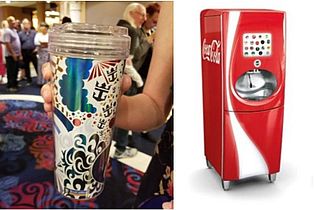
The cup pictured above is a marvel of technology. It contains a chip that tells the coke machine to let you have as much as you want, as often as you like of the dozens of soft drink choices it dispenses at the push of a button. Royal Caribbean cruise ships offer this cup as part of their soft drink package good just for that cruise. Since the deal costs upwards of $10 a day with gratuity, I’m guessing people would refill that 16-ounce cup often to get their money’s worth. (It is possible to upgrade to the $55/a day package that also includes all the alcohol you can stand and premium coffees. I opted for the bottled water package.)

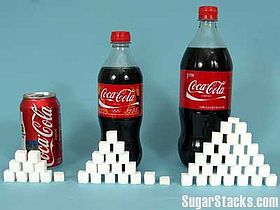
Although there are other concerns with sodas such as tooth damage and osteoporosis due to the acids they contain and questions about the effects of the chemicals on our microbiome (gut bacteria), the big deal is the sugar. The photo below from sugarstacks.com shows how much is dissolved in that beverage.

You’ve heard me rant about sugar for years, but the scientific evidence continues to roll in showing that it is a major cause of all manner of degenerative diseases. And it certainly isn’t just the calories. Here is a recent article that explains “Not all calories are created equal: Calories from sugar-sweetened drinks cause more weight gain and increase your risk of disease than bread or potatoes.” (This is the study.) By the way, this is not to imply that bread and potatoes are good for you…they are just not as bad as sugar.

So, are fake sweeteners the answer? Not by a long shot! They have NOT been shown to help you lose weight (maybe do the reverse) or to slow diabetes (maybe do the reverse). They are shown to be detrimental to the cardiovascular system—STUDY. Now, at least in an animal study, they mess with brain health and function—STUDY. These chemicals also seem to harm the crucial friendly bacteria that help run most systems of our bodies—STUDY. (I didn’t take the time to find the very best studies. I just grabbed some samples from among the many.)

When I think a soda pop might taste good, I take a slug of sparkly slightly sweet Kombucha. A bottle lasts me a week or more. (I’ve never had the nerve to make my own. There are several good brands and a variety of flavors.)

On the lighter side

The picture below was taken from the lunch buffet on a 5-day cruise that Bill and I recently took from Puerto Rico to New Jersey. (No, it wasn’t the booby prize in a contest—just inexpensive and served a purpose for us.) This sign made me laugh.

Health-giving tea that is purer, better tasting and uniquely convenient

Just as there are dog people and cat people, it seems there are coffee people and tea people. I understood the benefits of tea and herbs and that is why until recently I had a cupboard full of open (stale) tea boxes. I remained one of those coffee people. About the same time that I decided coffee was giving me the jitters and might cause other negative effects*, I met Simon Cheng. He introduced me to a whole new way of thinking about tea. I still love the smell of coffee, but I am now mostly a tea person. Below are some of the reasons why:

  • The health benefits of tea have not only been valued by many cultures for millennia but have also been confirmed in hundreds of modern studies. One of the newly discovered advantages is that tea helps feed our intestines’ friendly bacteria.
  • The energy provided by tea is calmer and more sustained than coffee’s. There are a couple of reasons for that. The caffeine in tea is bonded to catechins (a type of antioxidant). Because it takes the body longer to break down that compound, even with a smaller amount of caffeine, we get a time-release energy effect over 4-6 hours. Also, tea contains an amino acid, L-theanine that has a very calming effect. This amino (found only in tea) can be purchased in capsules, but tea is more fun…and surely, I have enough pills.
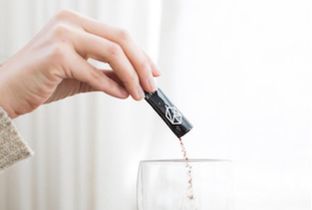
  • Simon’s innovative creation is Pique Tea that comes in slender tubes of instant crystals. I can now make tea very quickly, easily, inconspicuously, neatly and anywhere. For example, I had some earlier today on an airplane—I just asked for hot water. The flight attendant was interested, so I gave her the empty tube.
  • Pique Tea tastes fresh, clean and has flavors that are much richer than the bag teas. The careful selection of premium organic teas and herbs translates into taste. Also, the cold brew crystallizationTM process captures the plant’s essence and stabilizes it. I noticed that the material of the bags of standard tea contribute a flavor that I don’t care for.
  • I think it also helps the flavor and, more importantly, the health benefits that Pique Tea screens the source materials three times and purifies them to make sure the tea is free of toxins such as pesticides, heavy metals and mold. Other tea companies don’t do that. Few even screen twice and unfortunately some may not screen at all!
  • I don’t miss the hassle of tea bags. They get stale and it is hard to know how long to leave them in the hot water. Too short a time makes weak tea. Brew too long and the tea tastes bitter…a bit like I imagine that grass clippings mixed with cigar ashes would. When I take the bag out of the water, I never know quite what to do with the drippy thing.

Of course, you can search for leaves as pure as Pique’s and brew tea in a pot. Nah, I know me. I won’t go to that trouble. So, for sustained energy, reduced stress, antioxidant benefits and even improved gut health, why not give Pique Tea a try? By the way, just for going to the website you can download a Tea Healthfulness Guide. You know I always try to get you a deal. With any purchase, you will be entitled to up to 3 boxes free and a free e-book.

If I sound excited, it is because I am. You should know that Pique Tea is a new sponsor of Healthy by Nature. But remember, I don’t brag about something or someone because they are a sponsor, I search to find sponsors that I want to brag about. With every purchase you help support our mission.

*Coffee is known to create a false energy (a strain on the adrenals?), insomnia, elevated blood pressure and urinary urgency as examples.


Healthy By Nature Show