Archive for the ‘general’ Category

Dr. Google tackles cancer

In last week’s blog, I discussed my suggested guidelines for solving health problems more effectively using the internet. I got that idea when someone sent me a link to an article about a very unusual alleged cancer cure. Before I addressed that topic, I thought I should start with a general foundation. I have seen many odd alternative ideas for treating cancer and so I understandably started out skeptical of this one. But when I noticed that the story was reported by Bill Sardi, I took a second look because I have so much respect for his work. Bill was very often ahead of the curve. As the report goes, Joe Tippens who was in very grave danger from ‘small cell’ lung cancer followed the advice of a veterinarian to take an anti-worming dog medication. Joe tried it because there had been exciting reports about the med and because he was desperate. A quote from that article: “His insurance company spent $1.2 million before Tippens switched to a $5 a week medicine that saved his life.  Daily vitamins and CBD oil were also an essential part of his curative regimen.  Here’s the video report.

Now very curious, I searched on pubmed.gov to see if the medicine (fenbendazole) was being used against cancer and was surprised to get 61 scientific articles. The research covered many types of cancer and a surprising number had reached positive conclusions. Some did not show benefit, but then I didn’t see any that had used the whole protocol which included Vitamin E complex (tocotrienols, tocopherols), Curcumin (turmeric extract 600 mg/day) and CBD oil. Also saw very little that was negative (except when given to rats in extraordinary amounts. Also, use of this medicine for cancer apparently really took off in Korea, so there were several papers clucking about the brazenness of people daring to go around orthodoxy!…never mind if they were cured.)

Why haven’t there been a ton of studies and big newspaper headlines about this breakthrough? The answer is money. I addressed that aspect of research last week. There is no such thing as a cancer drug that is too expensive, but too cheap ($5) is a problem. Also, the patent on fenbendazole probably has expired meaning any company can make it. I recommend reading the whole Bill Sardi article on this cure because it goes into great detail about the impact of promoting a cheap cure like this would have not only on the business of cancer, but also the whole darn economy. The title of that fascinating article is “A Cancer Cure Has Gotten Out of Control.” Also, an article in the HBN Library has a lot of useful cancer information.

My personal bottom line: If I had cancer, I would probably try fenbendazole and also another cure Sardi wrote about on HBN and on this website as well as upping intake of any nutrients that I know support immune function. I would listen patiently to the oncologist, paying special attention to any metrics so that I could track my progress. I hope I’d have the courage to inform the oncologist of everything I was doing. However, I’d be bracing for him or her to likely be royally p***ed off that I would dare fret about the significant dangers of conventional treatment…and worse yet, use non-pharmaceutical “nonsense”. I would not automatically refuse all conventional methods, but neither would I robotically do everything I was told. I like to think I would not panic and could rationally pick and choose whatever had the best evidence. But before such a dreaded day, I will work as best I can on prevention and prayer.
 

How to use alternative health info from the internet safely

In researching a condition, it is smart to first evaluate the risks involved and decide if this is something that really lends itself to D.I.Y. E.g., I seriously doubt that any rational person would let Dr. Google be the only treatment for their cancer. The internet is a source of useful and reliable information but also some sketchy moneygrubbing stuff and some that is just plain wackadoodle. The trick is to know which is which.

I start with sites that I know to be reliable like the Mayo Clinic and the Cleveland Clinic. Those sites are helpful to explain the issue you are investigating and put it in context. The recommendations of those sites are mainstream medicine for the most part but will often give the pros and cons of popular alternative practices. The nonprofit charity websites (e.g. American Diabetes Assn.) do offer some useful information, but some seem to be mainly focused on fundraising and/or are swayed too much by the government or the special interests of their major funding sources. When I search the web for a condition or an alternative such as a nutrient or herb, I might get hundreds of millions of results—overwhelming! (You can use one of the AI apps like ChatGPT or Bard to help organize the info but you have to be careful how you frame the question to it and remember they can be wrong.) I pick through that slog of links looking for (1) experts that I have known to be careful / credible and who are not just trying to sell something and (2) new angles I hadn’t thought of (which I then research).

Next, I take what I’ve gathered so far and plug the items into the government science database, pubmed.gov. That site quickly tells me if there have been studies on the topic. Usually there are at least a few. But I don’t think standard studies are the only or final answer on value and safety. That is because: (1) not enough studies are done on alternatives and (2) it is very easy to ignorantly or even purposely structure a study to make an alternative look bad (so that folks will stick with drugs?).

Why are there few studies? Studies are expensive—especially those involving humans (complex), hard to control and who come in a unending variety. That natural remedies often work best gradually or in combinations also makes it more challenging. Most money for research comes from pharmaceutical companies because they can patent the result and get their investment back plus giant profits. Vitamins, minerals, herbs, and natural techniques cannot be patented and therefore it doesn’t make business sense for a company to invest many millions knowing that in the end, any competing company can use that expensive research for free to sell a rival product. Why doesn’t the government fund them? They do fund a lot of health research but are subject to skepticism from regulators if they stray too far from what is already supposedly proven. University scientists submit grant requests for federal funding. Unfortunately, very often behind the scenes, “Big Pharma” nudges the efforts toward basic research which will ultimately lead to drug opportunities or at the least not to competition from natural things.

There are other complicated subtle financial pressures. For instance, let’s say that you are a graduate student who wants to research the effect that mercury found in corn syrup has on growing children. The study would be ghastly expensive because, for one thing, it would take many years to study the long-term effects of the accumulation of very small daily amounts. Also, because USDA and “Big Food” (agribusiness giants, the ingredient processors and food product manufacturers) provide other funding for universities so they would likely be told about the proposal. They would then lobby to deny the grant because they don’t even want it to be known that there is mercury in corn syrup.

After gathering as much data as I can, I run my tentative conclusion through a mental filter asking:

(1) Does that make good common sense? Example–a certain brand of aloe might claim to be an efficient laxative. However, if it is a laxative, that would only be because the maker did not remove all the aloin, a bitter, yellow-brown colored compound that is a harsh toxin. Any laxative effect is just the body trying to get rid of it. (One reason I’m proud of Lily of the Desert Aloe is that they so effectively purify that healing plant.) Also, perhaps constipation would be better treated by making sure the person has sufficient magnesium which is needed anyway for hundreds of other functions. Always ask, “does the remedy come with risks that might be more dangerous than the original problem (ask that of pharmaceuticals too) and/or does it interfere with medicine you take?” The reverse is true, if the remedy has an excellent safety record (think hydroxychloroquine for covid) what could it hurt to try?

 (2) Is that answer consistent with history? Example–if an expert or study criticizes ashwagandha, I’m going to be automatically suspicious. That traditional Ayurvedic (Indian) medicinal herb has been valued for 3,000 years for helping the body cope with stress and restore balance. Those users were not stupid, and clearly, no drug gets tested as thoroughly as that. While drugs later show side effects, studies now are showing fringe benefits of ashwagandha for anxiety, brain and immune function.

I like to think that the information in the HBN newsletter and library is reliable because I follow those procedures and draw from textbooks, favorite authors, my files and personal experience counseling. Next week I will discuss a request that I got about an odd cancer “cure” someone found on the internet.

Our liver quietly does crucial work…if we take care of it

Most of us don’t pay much attention to our liver because it doesn’t talk to us like our heart or digestive systems do and we usually can’t feel it. According to a Columbia University Department of Surgery article about the organ, “The liver filters all of the blood in the body and breaks down poisonous substances, such as alcohol and drugs. The liver also produces bile, a fluid that helps digest fats and carry away waste.” It is easy to see that real trouble might ensue if the liver stopped doing those jobs. Most people have heard of jaundice (it causes yellowing of skin and eyes usually in newborns) and cirrhosis (serious damage from alcoholism). Less well known but actually much more common is Non-alcoholic Fatty Liver Disease (NAFLD). It is a problem for 1 out of 4 American Adults! Twenty five percent—that is a pretty big deal.
We learn from the Mayo clinic that “NAFLD usually causes no signs and symptoms. When it does, they may include fatigue and pain or discomfort in the upper right abdomen.” The National Institutes of Health discusses the types of testing that are used to diagnose NAFLD. Cardiovascular disease is the leading cause of death among those with NAFLD, but then that is also the leading cause of death for everyone. So, it isn’t clear if the NAFLD is the fatal factor or it is that the problems which cause the liver problem are also causing heart disease.

The cause of NAFLD is typically “overweight or obesity, insulin resistance, high blood sugar (hyperglycemia indicating prediabetes or type 2 diabetes), and high levels of fats, particularly triglycerides, in the blood.” Obviously, diet (e.g. reduced simple carbohydrates) and lifestyle are key to improving those issues.

Curcumin, the active property in the spice turmeric has been shown in some studies to be helpful for NAFLD. (The supplement has also shown benefit for glucose-lowering and anti-atherosclerotic effects in type 2 diabetes.) However, a recent study concluded that “Curcumin Supplement Provides No More Cardiometabolic Benefits than Lifestyle Modification Alone in Patients with Non-alcoholic Fatty Liver.”

My bottom line. Since one study is not usually the final word, and because there are so many additional benefits to maintaining normal body weight, improving blood sugar management and the use of curcumin, why not be kind to your liver and the rest of your body and brain by doing all the above? Of course, we should also moderate alcohol intake because excess is a shortcut to serious liver trouble.

Follow your heart…to health

All our readers probably know that cardiovascular heart disease (CHD) troubles are themselves the leading cause of premature death even for women and we should remember that 20% of deaths are among folks under age 65. Cardio problems also and can lead to trouble with the kidneys, the brain and so on. CHD is also a ghastly large component of the US sickness care cost. I’ll skip all the disheartening (pun intended) statistics and get right to how to protect yourself.
What you do everyday matters: For example, smoking increases your risk 3 x—so please stop. Eat a healthful diet of real foods that are low in sugars and refined carbohydrates. Get regular exercise; go easy on the alcohol; keep your blood sugar and blood pressure under control. Okay, no surprises there because we discuss these things regularly on HBN. Good sleep is also important as is proper hydration.

Supplementation. There are many dietary supplements that have been shown to be good for your heart and circulatory system. They can each work in different ways, so it makes sense to take a variety. However, you probably don’t want to have a laundry basket full of bottles, so I recommend finding a comprehensive cardio supplement that thoughtfully balances several top-quality ingredients. I’m going to make this easy on you and me by simply describing Brightcore’s Vitality–which I think is the best choice.  Vitality contains these 7 synergistic ingredients:

  1. MicroActive CoQ10. CoQ10 is a substance found naturally throughout the body. It acts as an antioxidant and is key to cellular energy production. Increasing your level of CoQ10 helps: glycemic control (especially in diabetics), blood pressure, circulation and blood flow, cholesterol levels, to prevent blood clots, and to neutralize free radicals. Note that statin drugs reduce our CoQ10 levels. The brand name ingredient, MicroActive CoQ10 is 3x more absorbable than the second best kind and is backed by 5 clinical studies! Also, this specific kind releases slowly for better utilization and is vegan (many others are animal sourced).
  2. MenaQ7 Vitamin K2. As we’ve discussed many times on HBN, Vitamin K2 assures that calcium goes into bones and teeth where it is needed and does not accumulate in the circulatory system contributing to hardening of the arteries. MenaQ7® Vitamin K2 is the form of vitamin K2 that I have long recommended, and this specific brand has been clinically validated to offer cardiovascular support.
  3. MegaNatural BP Grape Seed Extract. Grape seed extract has been shown to reduce blood pressure, improve blood flow, support brain health as we age, improve natural collagen levels and bone strength. Again, brand matters! MegaNatural BP is extracted with water rather than chemicals and is better absorbed. This brand has a unique structure of its polyphenols; and because of sophisticated testing, is a consistent concentration that provides consistent results. Clinical studies show reduction of blood pressure as much as 2 mmHg for systolic and 8 mmHg for diastolic.

In addition to those 3 patented brand name components listed above, Vitality also delivers these superstar herbal ingredients:

  • Resveratrol which offers wonderful support for (near as I can tell) the whole body. Specifically for CHD, it helps with maintenance of healthful blood sugar and pressure as it also protects our nervous and cardiovascular systems. Although resveratrol is the magic in red wine, this ingredient is sourced from Japanese knotweed where it is concentrated.
  • Olive Leaf Extract reduces the risk of atherosclerosis (plaque build-up in arteries), can help stabilize blood pressure for Type II diabetics, and supports weight loss for those who are overweight.
  • Hawthorn Berry has been shown in both animal and human studies to increase coronary artery blood flow. It also helps cholesterol levels to achieve healthy levels.
  • Bilberry. It is known to improve vision perhaps for the same reasons it promotes heart health. Bilberry is a powerful anti-inflammatory and an antioxidant powerhouse.

Vitality delivers all those wonderful ingredients in effective amounts and the proper ratios in just 3 easy to swallow capsules per day. It is not just good for your heart. The name says it all—Vitality. Now you can see why I asked Brightcore to be an HBN sponsor! I always ask sponsors for a special deal for my listeners. Brightcore generously offered (if you say your heard it on HBN): Buy 2 bottles of Vitality and Get 1 FREE. (60-day 100% money back guarantee.) Call promptly and receive one bottle of Radiance Vitamin D3 as a FREE gift with your order. Only by calling (888) 958-5331. (Mention their Family & Friends package for even bigger discounts!)

Sinus, sminus

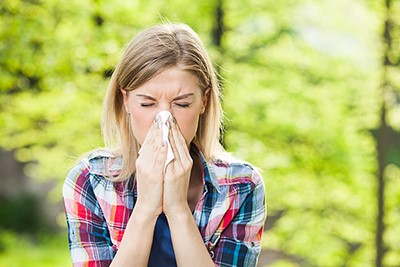
A lot of people can feel a little stuffed up when smoke blows in from forest fires or the pollen or mold counts are especially high. Head colds are obviously also often to blame for stuffiness. However, if symptoms continue past that initial trigger, you may have chronic sinusitis, which is an inflammation of the membranes that line the sinus cavities in the hollow bones of the face (e.g. cheek bones and behind the eyebrows). That inflammation can prevent mucus from draining out of the sinuses causing swelling, pain and creating a welcoming environment for infection with viruses, bacteria and fungi if they are not already there. Read Mayo Clinic’s official description of sinusitis and their advice about when to see a doctor. Sinusitis affects millions of people every year and is often almost automatically treated with antibiotics even when that might not address the cause and can lead to antibiotic resistance. (If the cause is fungus or yeast, the antibiotics actually make the problem worse.)
If the sinuses suddenly flare up dramatically with no obvious environmental cause, it is probably an infection like a cold. See the HBN library’s natural recommendations. And do remember Peter McCullough, MD’s recommendation to use an antimicrobial nasal flush and gargle to prevent and treat any upper respiratory infection (including not only colds and flu, but also covid!).

Chronic sinusitis may cause you to breathe through your mouth and wake up with an uncomfortable dry mouth. Chronic problems are usually caused by either allergies or fungus. In any case, consider these steps (some of which were suggested in one of Dr. Ron Overberg’s newsletters).

  • Drink plenty of fluids.
  • Avoid alcohol, which can cause your sinus membranes to swell.
  • Eat a variety of colorful foods, like fruits and vegetables, to boost your immune system and reduce inflammation in your body.
  • For allergies, vitamin C has antihistamine effects as well as helping immune function.
  • Improve air quality, especially in the bedroom. Check out the ionbox.
  • Put a towel over your head and inhale steam from a source of boiling water (being careful not to get burned) and/or apply warm packs to your face.
  • Try nasal cleaning (see below) which clears mucous, dust and pollen while moisturizing dry tissues. (Incidentally, this simple, inexpensive and soothing practice is a purification technique done by many prior to performing yoga. Some religions do it before going to prayer.)

Nasal cleansing

While quite common in some cultures, the idea of nasal washes takes some getting used to for most Americans. Guidelines:

Note: I often link to items on Amazon so that readers will know exactly what I’m talking about, and it is a source with whom most folks are familiar. To be fully transparent, I want you to know that HBN is an Amazon affiliate and is paid a few pennies when customers buy something after going through one of our links. Assuming I remember to put in the code, those pennies eventually add up and once in a while we receive something like $15 which isn’t much but does help the show.

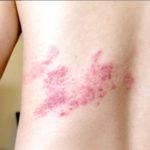
Shingles may be good for a roof, but not your body

Terrifying TV commercials for the shingles vaccine does a terrific job of creating panic about what it would be like to suffer with the condition. They aren’t exaggerating assuming nothing is done to prevent or treat shingles. The vaccine maker, of course, wants you to ask for their vaccine, Shingrix. That is a legitimate option, but to be an informed consumer, there is more you should know.

  • Even though vaccinated, you may still get shingles. (Remember we learned that covid vaccines didn’t always prevent infection? The manufacturer says the disease will at least be milder.)
  • As with any pathogen, the key for prevention and healing is the strength of your immune function. So, that makes a healthful diet, basic nutritional supplements (especially C, D and zinc), and probiotics very important.
  • As you may know, a virus, varicella-zoster virus (VZV), causes shingles. VZV also causes chicken pox (usually in children) but long after recovery, hangs around dormant in sensory nerve fibers in the brain and spinal cord. Once re-activated, the virus travels down a single nerve and causes the a painful rash in a localized area. The risk of reactivation increases after age 50 because the immune system has weakened. There have been many reports of shingles occurring after the covid vaccines.
  • The vaccine, it does not appear to contain heavy metals such as mercury but it does list polysorbate 80 to which many people are severely allergic. One ingredient, MSG, which neurosurgeon Richard Blaylock, MD told us is an excitotoxin that negatively affects the brain. It is also a bit of a concern to me that it contains a live (but supposedly weakened) virus. Side effects reported are typically mild such as injection site pain.
  • Your doctor can prescribe antiviral medications and, the sooner the better.
  • Foods high in the amino acid l-arginine (e.g. nuts, chocolate, seafood, arginine supplements) may feed the VZV virus but meanwhile foods rich in the amino l-lysine (meat, cheese, eggs) and lysine supplements may slow it down.

There are natural remedies to help. Read my article that includes info about my extremely brief experience with shingles.

Dr. Levy in Slo-Mo? PART 2

With Tom Levy, MD on HBN May 17 we covered a lot and so last week’s blog was a written review. I ran out of time and space—this week’s blog  is a continuation.

Interview review:

As noted last week, we discussed the spike protein which is a scary aspect of the Covid-19 virus (and the vaccines) and it can be a chronic threat. One thing that helps with virtually all diseases is to restore electron balance with oxidative therapies (antioxidant supplements like vitamin C, ozone, hyperbaric oxygen, hydrogen peroxide, ultraviolet radiation of the blood, etc.). Dr. Levy said that vitamin C and hydrogen peroxide are great partners. Antioxidants as part of a regular supplement is great, but when you are sick it may take much higher doses and/or some of the other oxidative therapies.

Sepsis: This is how the CDC defines the condition: “Sepsis is the body’s extreme response to an infection. It is a life-threatening medical emergency. Sepsis happens when an infection you already have triggers a chain reaction throughout your body. Infections that lead to sepsis most often start in the lung, urinary tract, skin, or gastrointestinal tract.” Dr. Levy said that advanced sepsis (exhibiting shock, blood pressure spikes, and when antibiotics and typical drugs do not work) is a massive oxidative problem which requires dramatic amounts of oxidative therapies such as much higher amounts of vitamin C than most doctors are comfortable using…e.g. 25 to 50 grams of vitamin C several times a day. (That much is most easily administered by IV). He said that procedure would bring most of those folks out of trouble. (But, the hospital won’t suggest it. You or a family member must fight for that help.)

Cardiovascular health: When I asked for prevention recommendations, the first Dr. Levy offered was to control hidden infections of gums, teeth, root canals, tonsils, poorly healed extractions, and sinuses. Dr. Levy said that the bacteria which cause those infections damage the heart and are the major cause of virtually all cardiovascular disease! A study analyzed the plaque inside the arteries of 36 heart patients and found that in 100% of cases, the plaque contained an assortment of 50 different species of oral organisms such as bacteria. Dr. Levy recommended listeners see a “biological dentist” (such as our Dr. Philip Kozlow) and he offered a free copy of his book, Hidden Epidemic: Silent Oral Infections Cause Most Heart Attacks and Breast Cancers, if you email him at [email protected] and ask for it.

Apparently, the chronic presence of those oral pathogens used up the vitamin C that would otherwise keep the vessel tissue healthy. (The covid spike protein also depletes C.) He pointed out that scientists have never found a toxic level of vitamin C, so don’t be shy about using it. The more toxic you are (e.g. smokers), the more you need. Long ago, humans lost the enzyme needed to convert glucose into vitamin C. (Bill Sardi’s Formula 216 helps compensate for that.) For optimal health, Levy thinks most people should take between 6,000 and 9,000 mg a day (probably in divided doses to be easier on a sensitive GI tract) and add magnesium because it is the most widespread deficiency which makes everything worse. Those help control the damage caused by intracellular calcium, as does vitamin D3 and vitamin K. So, his big 4 are: vitamins C, D3, K and the mineral magnesium. Other supplements are good but not in place of those. Magnesium testing in hospitals is inadequate. If they only test serum, Dr. Levy says that even a “normal” reading probably means you are at least somewhat low.

In closing, he said that one good thing to come out of the covid disaster was a well-earned skepticism about mainstream medical advice—because of useful treatments that were squashed, toxic treatments that were insisted upon and other actions that made the pandemic so much worse than it needed to be. This new  awareness leads to making sure your doctor has your best interest at heart. Another positive: more people now take vitamin C and have an appreciation of the oxidative therapy, nebulized hydrogen peroxide for respiratory infections.

Dr. Levy in Slo-Mo? PART 1

With some guests I can get engrossed in what they are saying and fail to translate and summarize as often as I should, especially when they get on a roll. I think that was the case with Tom Levy, MD when he was on HBN May 17. So, I thought it might be useful to do a written review.

First, some news about Dr. Levy. The brighter doctors are, the more likely they are to see problems with dogma and create better ideas. Therefore, they are also more likely to get crosswise with the establishment which desperately wants to maintain its profitable status quo.  In doing a search for a photo of Dr. Levy, I was saddened but not at all surprised to discover that mainstream medical practitioners did not approve of Dr. Levy’s innovative Covid treatment method using nebulized hydrogen peroxide. In March, the Colorado Medical board even censured him for spreading what they claim is “misinformation”. Like so many others, that board sticks to the government party line and censors those with other ideas. Never mind that he has witnessed cures with this method. (It safely helped me.) I agree with his quote from when he responded to a CBS Colorado affiliate about the censure: “That’s not authority, that’s authoritarianism.” Right on! Read my article about what constitutes a quack.

Interview review:

We began by discussing the spike protein that is a scary aspect of the Covid-19 virus and can be chronic. As a cardiologist, Dr. Levy is all too aware of the health risk that spike protein causes by creating clots in the circulatory system and causing inflammation of the heart muscle which was previously quite rare. It is also a grave concern that the so-called covid “vaccines” which tell our cells to manufacture spike protein. (“Long covid” seems to be characterized by continuing high levels of spike protein and chronic conditions they cause.) Although covid spike proteins have been found in every tissue in the body, they seem especially attracted to the heart tissue where the damage can be quite serious and even fatal. Some heart tissue conducts signals (e.g. when to beat). When that is damaged is when you see something like athletes (who likely have a compounding rush of adrenaline) dropping dead on the field from major heart arrythmias or pilot heart attacks triggered by low oxygen. Spike protein also attacks blood vessels creating clots which can obviously lead to heart attack and stroke. Oxidation therapies seem to help people at least feel better. However, the spike protein can reappear later out from hiding or because it has continued to be made in cells. So, treatment may need to be repeated.

Virtually all diseases at the most fundamental cellular level are oxidative problems—where there is a problem with the electrons. The oxidative therapies (antioxidant supplements like vitamin C, ozone, hyperbaric oxygen, hydrogen peroxide, ultraviolet radiation of the blood, etc.) fix those by restoring electron balance. Dr. Levy said that vitamin C and hydrogen peroxide are great partners.

Oops, that is only ½ way through the information-rich interview, but I’m out of both space and time, so I will continue next week. Sorry.

TAKE A HIKE! (Well, at least a walk…)

By now, surely everyone knows that exercising is good for whatever ails you. It is less well-known that you don’t have to join a gym, squeeze into yoga pants, or even buy fancy running shoes (Nike will survive)—just walk. As you will see, I’ve assembled this blog on that subject from 3 main sources (one has several references).

Newspaper online. An article in the New York Times is my favorite source this time. It said “Walking after a meal, conventional wisdom says, helps clear your mind and aids in digestion. Scientists have also found that going for a 15-minute walk after a meal can reduce blood sugar levels, which can help ward off complications such as Type 2 diabetes. But, as it turns out, even just a few minutes of walking can activate these benefits. The best news was that as little as a 2 to 5-minute walk after dinner can have positive effects.” Now we are getting to something even lazy bums like me can manage! This link is to the NYT article, but note, you likely have to register to read it .

AARP Magazine – The AARP article itself has just flat disappeared. So, I went to their website and found this info: “Walking 9,800 Steps a Day May Cut Dementia Risk in Half–Faster pace, even with fewer steps, may also offer brain benefits, research suggests. A new study finds that older adults who got in just under 10,000 steps a day — 9,800, to be exact — were 50 percent less likely to develop dementia. Even those who racked up 3,800 daily steps saw a 25 percent reduction in risk.” (hmm…maybe if I had been walking more I would know where the stupid article is).

Chat GPT – April 13, 2023, I used Bing’s artificial intelligence (AI) app to help write a blog about chocolate. This one seems better. By the way, many folks are worried that computers / robots are going to take over the world and dominate (or even eliminate) humans like the HAL 9000 did in the movie, 2001 A Space Odyssey. The AI utility is really quite amazing. But, I want to point out that by simply using a FREE AI app, I am not supporting research into making the robots more powerful. What follows below, unless in bracketed [italics], or my closing paragraph is Chat GPT’s research and text. I only did some minor formatting:

INTRO: Walking is one of the simplest and most accessible forms of exercise. It is a low-impact activity that can be done almost anywhere and requires no special equipment. Walking has numerous benefits for both physical and mental health. In this article, we will explore some of the benefits of walking and discuss the research that supports these claims.

Physical benefits of walking

  1. Improved cardiovascular health – Walking is a great way to improve cardiovascular health. It increases heart rate and strengthens the heart and lungs, reducing the risk of heart disease, stroke, and other cardiovascular conditions. According to the American Heart Association, walking for at least 30 minutes a day can lower blood pressure and cholesterol levels, which in turn reduces the risk of heart disease.
  2. Weight management – Walking is an effective way to maintain a healthy weight or lose weight. According to the Centers for Disease Control and Prevention (CDC), walking burns calories and can help you maintain a healthy weight. A study published in the Journal of Physical Activity and Health found that walking for 30 minutes a day can lead to a significant reduction in body fat and body weight.
  3. Improved bone health – Walking is a weight-bearing exercise that helps to strengthen bones and reduce the risk of osteoporosis. According to the National Osteoporosis Foundation, walking can help to improve bone density and reduce the risk of fractures.
  4. Improved joint health – Walking is a low-impact exercise that is gentle on the joints. It can help to reduce joint pain and stiffness, especially in people with arthritis. A study published in the Journal of Geriatric Physical Therapy found that walking can improve joint mobility and reduce pain in people with knee osteoarthritis.

Mental health benefits of walking

  1. Reduced stress and anxiety – Walking is a great way to reduce stress and anxiety. It releases endorphins, which are natural mood enhancers. According to a study published in the Journal of Psychiatric and Mental Health Nursing, walking can help to reduce stress, anxiety, and depression.
  2. Improved cognitive function – Walking can help to improve cognitive function and reduce the risk of dementia. According to a study published in the Journal of Alzheimer’s Disease, walking for at least 30 minutes a day can improve cognitive function and reduce the risk of Alzheimer’s disease.
  3. Improved mood – Walking can help to improve mood and reduce the risk of depression. According to a study published in the Journal of Affective Disorders, walking for at least 30 minutes a day can improve mood and reduce symptoms of depression.
  4. Increased creativity – Walking can help to increase creativity and boost productivity. According to a study published in the Journal of Experimental Psychology, Learning, Memory, and Cognition, walking can help to improve creative thinking and problem-solving skills.

AI’s Conclusion[I deleted the AI conclusion because it was just repetitive and dull. The research the bot did was useful but I think I should have asked it to make the “article” more concise and entertaining…I will experiment with that if there is a next time]

AI Supplied Sources:

  1. American Heart Association: Walking for a Healthy Heart
  2. Centers for Disease Control and Prevention: Walking: A Step in the Right Direction
  3. Journal of Physical Activity and Health: Walking for Weight Loss: The Pedometer as an Indicator of Physical Activity
  4. National Osteoporosis Foundation: Exercise for Strong Bones
  5. Journal of Geriatric Physical Therapy: The Effects of Walking on Joint Mobility, and Pain in Older Adults with Knee Osteoarthritis
  6. Erickson, K. I., Hillman, C. H., & Kramer, A. F. (2015). Physical activity, brain, and cognition. Current opinion in behavioral sciences, 4, 27-32. doi: 10.1016/j.cobeha.2015.01.005

My final addition: I (the human, Martie) came across an interesting study which says that taking that walk out in nature (or even just being there) can reduce the need for psychotropic, anti-hypertensive and asthma medication.


STROKE of luck?

The risk of having a stroke should not be left to chance. 795,000 Americans a year are not lucky in that regard and 137,000 of them do not get a second chance at prevention (or anything else). These days, strokes are happening to folks as young as 20 and more often to women. High blood pressure, obesity, type 2 diabetes, and smoking are some of the risk factors. I used an article in the May Costco Connection as a resource for this blog, but I believe that some of my research went above and beyond the call of duty—I actually experienced a stroke*.

When a clot blocks the flow of blood to the brain (ischemic stroke), that part of it no longer works. The same can occur from a ruptured blood vessel in the brain (hemorrhagic stroke). All the things that we discuss (nutrition, supplements, and lifestyle improvements) to support cardiovascular health are protective in both cases. One common cause of blockage strokes is heart clots due to a heart rhythm abnormality, atrial fibrillation (a-fib). As explained in the footnote, please take this seriously.

ACT QUICKLY if you see or experience signs of a stroke. (Get medical help! Now is not the time to start an herb program.)  Mayo Clinic lists these signs:

  • Trouble speaking and understanding what others are saying.
  • Paralysis or numbness of the face, arm or leg.
  • Problems seeing in one or both eyes.
  • Headache. (sudden and severe)
  • Trouble walking. (dizziness or a loss of coordination)

F.A.S.T.” is a shorthand easy to remember reminder:

  • Facial droop on one side
  • Arm or leg weakness
  • Speech difficulties
  • Time (if these first three are present, it is time to call 911 immediately) [besides the help you get in the ambulance, the hospital is notified to be ready for your needs.]

I wish you good luck, but also urge you to avoid stroke risks and know the signs to help yourself and others around you.

*PERSONAL “RESEARCH” For decades, I very occasionally experienced an uncomfortable rapid heart rate that made me feel a little weak and lightheaded. Not until I finally saw a cardiologist did I learn that the symptom was due to atrial fibrillation (a-fib) discussed above. My cardiologist said that the occasional fast beat and irregular heart rhythm was not in itself very serious but still suggested a medical procedure, ablation, to make it stop. Ablation uses freezing or burning to scar part of the heart. That sounded just too extreme and permanent. I had long been accustomed to finding the cause of problems and using natural remedies. So, when the episodes became longer and more frequent, I started a diary to see if I could figure out the trigger. Patterns did seem to develop around several things such as stress, alcohol, sugar, dehydration, low magnesium, etc. However, watching those things did not totally solve the problem. One episode instead of lasting just hours, lasted a week. During that time, I was eating lunch on the couch and coughed. Luckily, husband Bill heard me and came to see if I needed the Heimlich maneuver. I had trouble telling him that I was just trying to cough up some juice I inhaled from an apple I was eating. He later told me that I was leaning to one side, and he became concerned. Luckily, he knew the signs of stroke and asked me to raise my arms. When my left one would not go up, we both knew it was time to call 911. Luckily, the ambulance arrived in 5 minutes and gave me stroke first aid on the way to the hospital which luckily was only 5 minutes away. More luck—the closest hospital is a certified Comprehensive Stroke Center. So, within 30 minutes of being on the couch identifying the stroke, I had surgery to remove the clot in my brain. While, as you can see, my event was probably preventable and a whole lot of luck (or divine help) was involved, along with fast action were reasons that I have no lingering effects from that major stroke. Also key, within days I received Infiniti Matrix therapy. I know that helped heal the damage before it could become permanent. Since then, I wisely decided to put aside my visceral resistance to pharmaceuticals in favor of staying alive and now regularly take a medication (flecainide) that reliably prevents a-fib.


Healthy By Nature Show