Archive for the ‘general’ Category

Dr. Peter McCullough’s famous covid protocol at a glance

Dr. McCullough is not available to be on HBN until August 3, but kindly sent this along. It is a guide to how to react if you become ill. Since covid cases are on the rise again, it is good to have this available. For future reference, it is also on HBNshow.com in the covid section of the Library where there is more information on natural remedies and options. But I included the chart here so that you would know what a valuable resource it is. Abbreviations: HCQ = Hydroxychloroquine, IVM = Ivermectin are the main ones to fight the virus. AZM =  Azithromycin (antibiotic mainly to protect against secondary infections), DOXY = Doxycycline (another antibiotic that I believe is used less often.) In my personal opinion, using the OTC bundle he has in yellow (to boost immune function) plus steady use of nebulized hydrogen peroxide (to which you can add colloidal silver and/ or liquid iodine) may kill enough bacteria along with virus to prevent the need for an antibiotic. Note: I made many updates to the documents in the Covid Section of the HBN online Library – ( click “Library” on the menu bar.)

Common things you didn’t know could KILL you.


Fun Quote: “Never knock on death’s door. Ring the doorbell and run! Death totally hates that.” Darynda Jones

Be sure to read to the end to find out how vitamin pills stack up against these other threats.

Sharks are lethal, right? I ran across an interesting website that gives a frame of reference by comparing them to common things that hospitalize or kill more people than sharks. (Sharks do kill…but only 4 people per year worldwide.) The first item on the list below, Toothpicks, is from that site. The article also discusses Balloons, Lawn Mowers, Ladders, Furniture, Pens and Pencils (!), Space Heaters, Toasters and Zippers. (FYI Shark Week starts July 24 on the Discovery Channel.)

Toothpicks. Every year 9000 people end up in the hospital from choking on toothpicks. Most toothpick victims are children between the ages of 5 and 14. Furthermore, an average of 3 people die every year from accidentally swallowing toothpicks, puncturing their internal organs.

One hundred people a year die from swallowing the caps from ballpoint pens!

The following peculiar causes of death are from the book, Final Exits: The Illustrated Encyclopedia of How We Die. (Years ago, I interviewed the author, Michael Largo)

Ambulance crashes. 1,795 per year, usually at intersections.

Anthrax. Five people died in 2001 because an anonymous (nut job) researcher wanted to show how easy it would be to launch a terror attack.

Bowling ball. Thrown from one car to another.

Cell phone. In 2001, an irate drinker in a bar fatally cracked a businessman over the head with a beer bottle when he refused to stop talking loudly on his cell phone.

Flying cow. In California in 1999 a pickup truck driver was struck by a cow hurled as a result of the animal’s collision with a car.

Hot air balloons. 34 per year.

Jellyfish. I didn’t realize that stings from these were more than annoying. Each year, allergic reactions to them claim 1,918. (Take that shark haters!)

Mercury poisoning. (Hydrargyria) 500 each year. Industrial exposure to less than a gram of some forms of mercury can be deadly. (Sadly the authorities do not seem to be concerned enough about our gradual accumulation of mercury from sources like pollution, seafood, amalgam dental fillings, vaccines, etc.)

Microwave popcorn. The vapors that emanate from a bag of freshly popped corn contain fumes of dactyl an ingredient in the artificial butter flavorings. It seemed to cause a lung disease in workers and consumers. Twenty four died in 2003. (Presumably that doesn’t count homicides by coworkers on diets who can’t stand the smell.)

Silk scarf. You may have heard of this one. In 1927 dance legend Isadora Duncan was strangled when her long flowing scarf became tangled around the wheel of the sports car in which she was riding.

Toupees. One can be fatally injured when the glue to hold on toupees catch fire.

Umbrellas. One man died after the wind hurled his pool umbrella at him fatally stabbing him. Approximately 3 people a year die from umbrella-related incidents.

FROM MY OWN FILES

Charcoal briquettes. Roughly 12 people a year die because of them. Carbon monoxide poisons them when people cook with them in enclosed spaces. [Hello Consumer Products Safety Commission, where is the panic?]

Infections that are resistant to antibiotic treatment. These are hard to treat infections like C- difficile that generally develops after a round of antibiotics and often in hospitals. The problem is worsened by the overuse of antibiotics in medicine and agriculture. The annual death toll is 23,000. (Not nearly enough concern shown by the FDA)

Adverse drug reactions. Thousands die from these but the FDA seems to think that the benefit outweigh the risks.

Vitamins. Hah! There aren’t any deaths, but that doesn’t keep the FDA from working very hard to protect us from vitamins. It appears that they assume there must be a risk and don’t look for benefits to offset that. Main goal = protect big pharma from natural remedies.

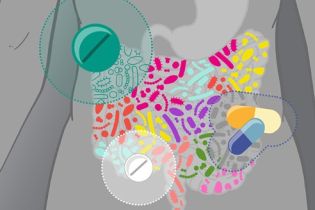
The impact of drugs on gut microbes is greater than we thought

There is no question that we absolutely depend on the friendly bacteria in our digestive tract to help run most, if not all, systems in the body. Unfortunately, these little helpers are constantly under attack from chemicals in our food, air and water. I’ve been saying for a long time that antibiotics are not the only drugs that damage our probiotic organisms. Now there is scientific evidence that the situation is worse than we thought.

The following article was written by Sherya Ghosh at The European Molecular Biology Laboratory and concerns a study published in the journal, Nature. [Martie added the bold highlights.]

“We are one of the most medicated generations of humans to live on our planet. Cardiometabolic diseases like type 2 diabetes, obesity, and coronary artery disease continue to increase in prevalence and together constitute the highest cause of mortality worldwide. Affected people often have to take multiple daily medications for months or even years.

Researchers from the Bork group at EMBL Heidelberg, working together with a European consortium involving more than twenty European institutes, have now shown that many commonly used drugs have powerful effects on our gut microbes. These include drugs used to treat cardiometabolic disorders and antibiotics. The results were published in the journal Nature.

The gut microbiome consists of billions of microorganisms essential to the body’s normal functioning.

“We analyzed the effects of 28 different drugs and several drug combinations,” explained Peer Bork, Director of Scientific Activities at EMBL Heidelberg, “Many drugs negatively impact the composition and state of the gut bacteria, but others, including aspirin, can have a positive influence on the gut microbiome. We found that drugs can have a more pronounced effect on the host-microbiome than disease, diet, and smoking combined.”

While the negative and lasting impact of antibiotics on gut bacteria is already well-known, this study showed that such effects likely accumulate over time. “We found that the gut microbiome of patients taking multiple courses of antibiotics over five years became less healthy. That included signs indicating antimicrobial resistance,” said co-first author of the study Sofia Forslund, a former postdoctoral fellow in the Bork group and now group leader at the Max Delbrück Center for Molecular Medicine (MDC), Berlin.

“We wanted to disentangle the effect that diseases have on host microbiomes from the effect of medications, particularly in patients taking more than one drug at the same time,” said co-first author Maria Zimmermann-Kogadeeva, group leader and former postdoc at EMBL Heidelberg. “Being part of the MetaCardis consortium enabled us to use multi-omics data from more than 2000 patients with cardiometabolic diseases,” she added. The large cohort also allowed the researchers to establish that the dosage of drugs prescribed also has a significant effect on the level of impact on the microbiome.

“We know that the microbiome can reflect the status of a patient’s health and provide a range of biomarkers to assess the severity of diseases. What is often overlooked, however, is that the medication used to treat a disease also affects the state of the microbiome,” added Rima Chakaroun, one of the lead authors of the study and a clinician-scientist at the University of Leipzig Medical Center. Dr. Chakaroun is currently a postdoctoral fellow at the Wallenberg Laboratory, University of Gothenburg.

By developing a statistical approach that accounts for the effects of multiple confounding factors, the researchers could tease out the effects of drugs and disease separately. “We now have a robust methodological framework that makes it possible to get rid of many of the standard errors,” said Professor Bork. “That allowed us to show that medication can mask the signatures of disease and conceal potential biomarkers or therapeutic targets.”

The researchers are hopeful that these results can provide knowledge that could potentially help in drug repurposing as well as in planning individualized treatment and prevention strategies.

The study combined the insight, knowledge and approaches of experts in six countries. “It was very motivating to work with an interdisciplinary team of clinicians, bioinformaticians, and computational systems biologists to advance our understanding of molecular interactions in cardiometabolic disease,” said Dr. Zimmermann-Kogadeeva.

As with anything you read on the internet, this article should not be construed as medical advice; please talk to your doctor or primary care provider before making any changes to your wellness routine.”

[Bottom line: When possible use natural approaches to restore health balance so you can avoid medications. Support your team of good ‘bugs’ by eating vegetables, fibers and spices and taking Dr. Ohhira’s Probiotics.]

How to pick a great multivitamin

As you surely realize, dietary supplements are just that—something to improve upon a good diet, not a substitute for one. A multivitamin/mineral is a good foundation for a supplement program, but some brands are not very much help. It might be tempting to select a multi that does a lot of advertising on TV or in magazines…or one that is recommended by mainstream doctors. However, those might just be by manufacturers that put a disproportionate amount of money into marketing (including marketing to doctors) instead of into high-quality ingredients. Here are some key quality factors to watch for:

Important nutrients:

Top supplement formulators follow the research and include what the science says we need. They hope you will learn the value of those substances. Others, ones that I call “marketing vitamins”, just put in whatever is currently getting a buzz.

  • For example, a cheap vitamin product would probably not include Beta glucan (powerful for the immune system) or Black pepper fruit extract as Bioperine™ (which enhances the absorption of other nutrients), or Boron (helps bone and to maintain testosterone)…because few people know to ask for them

Best nutrient forms:

Baloney and beef tenderloin are both meats, right? But there is obviously a big difference in quality and benefits. There can be a big difference in absorption, usability (bioavailability) among different forms of the same nutrient.

  • The shiny stuff on a trailer hitch and chromium picolinate are both forms of the mineral chromium, but, of course, you can’t improve your blood sugar by gnawing on the trailer hitch.
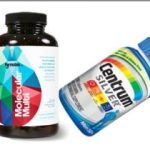
  • The more absorbable forms of minerals are bonded to something to make them act more like the ones in food. With many products, you must look in the fine print at the bottom in the ingredient paragraph to figure out what form was used. Some highly advertised brands use cheap rock-like forms (e.g. calcium carbonate). As one example, magnesium citrate (in Molecular Multi) is better than magnesium oxide (used in Centrum Silver). Read more about miraculous magnesium…most people are deficient and need to supplement it extra because it is too bulky to put enough in multis.
  • Vitamins also vary in quality of form. For example, some vitamins use cheap synthetic vitamin E (Dl-alpha). Synthetic E doesn’t work as well as natural (D-alpha). Worse yet, it occupies our cell’s binding sites so that natural vitamin E from food can’t be used. (If you supplement additional E separately, I recommend Jarrow Famil-E which contains all 8 forms of E—each type has a different benefit.)
  • B vitamins are most beneficial if in the active forms that the body uses, e.g. B-6 as Pyridoxal-5-Phoshate and B12 as M Centrum Silver uses B12 as Cyanocobalamin. If “Cyan” sounds familiar, that is because it is short for cyanide. (We need methyl groups for detoxification, but we don’t need the cyanide group.)

Useful doses:

The right dose is one large enough to provide the benefits shown in studies and yet not too much. When a supplement lists only a tiny percentage of the amount found useful in studies, I call that just a “label decoration”—i.e. for marketing purposes only.

  • An example of that type of marketing trickery is the 300 mcg of lutein in Centrum Silver. That is less than 1/3 of one milligram and a proper dose is 5-10+ milligrams. (Molecular multi contains 12 mg.)
  • Selenium is one of the more expensive minerals, so the marketing type vitamins usually put in the smallest amount they can get away with.

Free of toxic junk.

  • When he was on HBN, June 8, Anthony Jay, PhD told us to avoid foods and pills with titanium dioxide because it collects inside cells and eventually keeps them from working properly.
  • Avoid nickel as a supplement ingredient. I have never seen a client that needed to increase their levels of nickel. (In fact, reports from labs that test for minerals and toxins, list nickel in the toxic)
  • Supplements should be free of useless chemical junk that some mass market brands put in for marketability or their manufacturing convenience. Examples: sugar, artificial colors that contain aluminum, artificial flavors, chemicals, carnauba wax, paint pigments & anti-freeze to name a few. No kidding! Look at the fine print on this label.

Bottom line

An inexpensive product often is not necessarily a good value because it may not delivery results. My bad examples above are from the highly advertised Centrum Silver. The good examples (and I could go on with star quality features) are from Molecular Multi formulated by Bill Sardi. You can’t do better than that. (By the way, the good folks he trained are still maintaining his standards and you save a lot if you bite the bullet and get 2 free when you order 3.)

Life Changing Book

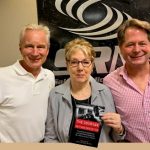
My guests on the June 1st show were award-winning true crime author, John Leake, and Peter McCullough, MD who are the authors of: THE COURAGE TO FACE COVID-19: Preventing Hospitalization and Death While Battling the Bio-Pharmaceutical Complex. (I was much happier than I look in that picture.) While I began with a profound respect for the work that Dr. McCullough had been doing and was intrigued by John Leake’s credentials, the book was so new that I had not read it yet. Now that I have, I want to tell you what I think with the book review below. I hope you will forward this post to friends because, for a variety of important reasons, the book should be a number one best seller. (You will note that I link to Barnes and Noble. Amazon, with censors much less qualified than McCullough, de-listed his book.)

I could not put down this powerful new book, THE COURAGE TO FACE COVID-19: Preventing Hospitalization and Death While Battling the Bio-Pharmaceutical Complex. It was masterfully written by an award-winning true crime writer, John Leake, and a true medical hero, Peter McCullough, MD. Because I had been privileged to interview Dr. Peter McCullough several times over the last year on my Healthy by Nature radio show, I already knew quite a bit about the topic, but I was still shocked. Their in-depth analysis of officialdom’s tragic mishandling of Covid-19 is brilliant and responsible. The documented reasons that hundreds of thousands of Americans died needlessly because of purposeful mismanagement by “authorities” will blow minds. John’s true crime writing skills build excitement as he paints a picture of what surely is beyond malfeasance—into actual crimes, including fraud and negligent homicide.

Perhaps the title doesn’t sound like a “beach read”, but I enjoyed the book on a mini vacation because it is exciting and entertaining. Moving stories about patient recoveries make the history relatable and are alternatingly uplifting and heartbreaking. Every reader will likely be infuriated by the humiliation and enormously costly (even career-ending) punishments imposed on courageous and compassionate doctors—doctors who were simply trying to honor their Hippocratic Oath and use their best medical judgement to heal patients and keep them out of the hospital. The horrific absurdity of the reckless and catastrophic public and institutional policies described might have driven lesser talents to become shrill and histrionic. But these world-class professionals calmly and logically lay out the sequence of facts and allow the readers to generate their own outrage. They also helpfully outline the substantial scientific support that existed for treatments which should have been used but instead were ridiculed.

The US official actions and intent are also clearly linked to suspect international power brokers. Critics cannot (as they typically do) apply the label “conspiracy theories” because the authors meticulously document their work with hundreds of easily verifiable citations. Leake and McCullough describe what I believe is a master class in gaining control over a population. We see that greed, hunger for power and groupthink can corrupt thought at the very highest levels and lead not only to bad policy but even the creation of incentives for hospitals to do the wrong thing. We see that at all levels values and common sense were anesthetized into submission by the cumulative impact of censorship, shaming, perverse incentives, and unrelenting propaganda delivered by a complicit media. The dangerous messages drilled into us: “there are no treatments, forget even discussing documented vaccine safety concerns, just get vaccinated as often as we say, and blindly allow us to tell you how to conduct your life.”

John Leake has successfully written about crimes before, but this is surely the biggest one—a crime against humanity. I bought a copy of the book for my doctor and an extra one that I know I will want to give away. This book should be required reading for at least: all doctors, legislators, regulators, and administrators of medical schools and hospitals…oh, and newspaper editors, TV news commentators, social media “fact” checkers and late-night comics.  Because this same system of gaining control over us can be used in many other situations, frankly, the book should be read by anyone who wants to preserve their freedoms and way of life.


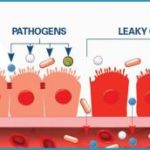
CONNECT THE DOTS…Gluten → leaky gut → autoimmune disease → Alzheimer’s


Graphic credit

On last week’s show, Dr. Tom O’Bryan shared ideas based on his book, You Can Fix Your Brain, on how to have a better long-term memory and a sharper mind. He started with the source of perhaps the biggest threats—gluten, leaky gut and autoimmune disease. I took a bunch of notes and thought they might be useful to our newsletter readers.

  • Over the last 10 years, autoimmune diseases (such as rheumatoid arthritis, Hashimoto’s thyroiditis, Alzheimer’s, psoriasis, alopecia, MS, celiac disease, lupus, etc.) have increased by 4%-9% annually which is scary and unheard of.
  • There are over 100 conditions labeled “autoimmune”. Doctors and medical textbooks say that there is “no known cause” and “no known cure.” However, Dr. O’Bryan says that is nonsense because we do know the cause and cure for most of them. In his previous book, The Autoimmune Fix, he referred to 300 studies demonstrating that.
  • As is often suggested with autoimmune disease, the immune system has NOT gone haywire. Rather it is doing its job to protect you from something. As just one example the plasticizer, BPA, which is used in plastic water bottles, in the lining of cans and even in cash register receipts. We absorb it. In some people, it can bind to thyroid tissue. Then the immune system targets (makes antibodies to) that new protein combination (called a “neoepitope”). Because the body needs to constantly refresh our tissues, we always have antibodies to thyroid so it can break down the old ones. But lab tests should be in a normal range of 0 to 36—42. When the count is higher, that means your immune system is making too many antibodies in and therefore is destroying thyroid cells faster than the body can replace them. Then come thyroid symptoms. The same thing happens with other toxins and other tissues around the body.
  • The most common substance that binds to thyroid and causes this type of reaction is gluten found in some grains such as wheat. Celiac disease is a very common autoimmune disease that is caused by gluten. But, many people with Hashimoto’s Thyroid Disease, find that a gluten free diet brings those thyroid antibody test numbers back into line. Dr. O’Bryan said that a recent study by Schoenfeld and colleagues, confirms that about 2 dozen autoimmune diseases (including Hashimoto’s thyroid) improve on a gluten free diet. Quote from that study: “Gluten affects the microbiome [good gut bacteria] and increases intestinal permeability [leaky gut]. It [gluten] boosts oxidative stress and affects epigenetic behavior [how genes work]. It is also immunogenic, cytotoxic [toxic to cells], and proinflammatory. Gluten intake increases apoptosis [cell death] and decreases cell viability and differentiation [lack of cell differentiation keeps stem cells from being able to repair tissue].”
  • Why does this happen? If, for example, bad bacteria go into the small intestine, “sentries” [Toll-like receptors or TLR’s] evaluate them and send a message to gut cells to make zonulin. Zonulin loosens the connections between cells lining the intestinal tract. That is meant to be beneficial becuse bigger spaces between cells in the intestinal lining allow more water to come in and flush out the troublesome substances or organisms […oops, at the extreme, that becomes diarrhea].
  • Not part of the plan, these gaps [leaky gut] also allow microorganisms, toxic substances and partially digested food molecules to get into blood circulation and activate an unhelpful immune response to foods you’ve eaten. So, you may end up with a sensitivity to corn, soy, tomatoes, or other foods. Note that several years ago, mainstream medicine mocked the whole idea of “leaky gut”. Finally, they decided at least look at it if we would call it the fancier term, “intestinal permeability”. Today the concept is taught at Harvard Medical School.
  • The leaked food molecule can appear similar to the protein in a cell. Confused immune cells can destroy otherwise healthy cells in the eye tissue, nerve tissue, skin, etc.
  • The TLR’s also send a signal for the gut to make more of a substance (NF-κB) which generates inflammation as a natural response to a threat. When there is an overproduction of this signaling compound, chronic inflammation becomes a problem.
  • Since the TLR’s sense gluten as a threat, Dr. O’Bryan says we are all going to have a problem when we eat it…at the least inflammation and leaky gut. It happens even if we feel fine in the short term…and may become an autoimmune disease down the line.
  • The brain is protected by a critical blood/brain barrier (BBB). He says that people with leaky gut also have a leaky BBB. The brain has extremely powerful immune cells and so just like in the gut, junk leaking into the brain can cause all kinds of trouble. All brain dysfunctions (even depression) are related to inflammation from that leaking. Breathing toxins also set off those immune cells. Those brain super immune cells destroy healthy brain cells. Alzheimer’s builds this way for many years before becoming symptomatic. For lots of helpful tips, read his You Can Fix Your Brain.

If you have an autoimmune condition, you should be tested to see if you have a related gluten problem. (Perhaps it would be good if we all checked.) Dr. O’Bryan said that the most accurate test is the Wheat Zoomer. Whether you have an autoimmune disease that you’d like to kick or you just want to see if you feel better, there is nothing wrong with trying a gluten free diet. Surprisingly we have no nutritional need for gluten or the grains that contain it. Dr. O’Bryan and I agree that you should read labels carefully because gluten-free junk food is still junk food.


Effective Science-Backed Weight Loss Tips

Guest blog courtesy of Andrew Shepherd, DC of Parker Wellness Center

Everything that works does not have to be hard. Simple tricks can add up to progress. We learned that years ago when I interviewed Brian Wansink, author of the fascinating book, Mindless Eating, Why We Eat More Than We Think. Dr. Shepherd provided the nifty ideas below except for [text formatted like this] which is just my ad libs.

  • Hang a Mirror in Your Dining Room – Research has shown that people who eat in front of a mirror are less likely to enjoy junk food, and also eat less of it. However, people who sat in front of a mirror to eat healthy food felt better about themselves and also enjoyed their vegetables. Researchers believe that your reflection holds you accountable for your food choices. [Oops. Our 1970’s era dining room had a whole wall of mirrors which we ripped out when we remodeled. Oh well, I guess our eating in there just twice a year wasn’t going to make much of a weight loss difference anyway.]
  • Clean Your Kitchen – Spending as little as 10 minutes cleaning and uncluttering your kitchen can make you more likely to reach for a healthy snack. According to a study in Environment and Behavior, volunteers who spent time in a disorganized kitchen were more likely to reach for snacks like cookies and ate about more 100 calories, all of which were junk food. [Makes sense since most of us find clutter stressful. I guess a kitchen cluttered with junk food would be really bad.]
  • Pay Cash for Junk Food – Scientists have found that having to look for dollars to buy candy bars or bags of chips can give you a moment to reconsider your purchase, as parting from your cash can stop your impulsive cravings, according to a study of shopping behaviors. [and, if it is a vending machine, half the time it will just keep your money and not give you junk food.] Also, choose a smaller cart at the grocery store and try using smaller plates and bowls at home to cut down serving sizes. [The smaller plates trick definitely helps. Not only does it look like more food, but also a trip back to the kitchen for seconds gives us time to reconsider the wisdom of that.]
  • Dim the Lights – Soft lighting can melt stress away, improve your mood and even spice up boring conversations. But it can also make you eat less, according to research published in Psychological Reports. In the study, participants who ate their dinner under dim lighting were found to have enjoyed their meals more, took longer to eat, and consumed 18 percent fewer calories than people who sat under bright lights. [What if you ate in the dark? Can’t even find the food? That saves ALL the calories.]
  • Beware of Action Movies – It’s no secret that eating in front of the TV can make you hungry. However, did you know that certain movies trigger these symptoms? Try saving your snack for comedies or talk shows and stash the chips away when you watch action movies or tear-jerkers, suggests the findings of a study published in the Archives of Internal Medicine. People were found to eat twice as much junk food while watching The Island than they did while watching the talk show Charlie Rose. At the movies, viewers of sad movies ate 28 to 55 percent more buttered popcorn than people who watched comedies. [So, I guess NO snacking while watching the news!]
  • Use the Power of Peppermint – Cravings and emotional eating can be suppressed just by the smell of peppermint, according to research published in the journal Appetite. In the study, people who smelled peppermint every two hours reported they felt less hungry, more focused, and consumed 2,800 fewer calories per week than non-smellers. [“non-smellers”?…that is funny] In a similar study that took place in the UK, the same effect occurred when people wore a vanilla-scented patch. They lost five pounds in a month and felt more in control of their diets. [Stick a tic tac up your nose? KIDDING! Save money on cologne, just a dab of vanilla extract behind each ear and on the wrists?]
  • Use a Long Fork – Long elegant forks or spoons can help you slow down and enjoy your meal. (The same goes for long chopsticks versus short chopsticks.) A Taiwanese study published in Psychological Reports found that short utensils made participants feel the need to eat more food. However, people who were using longer cutlery stated they enjoyed their food more and took more time between bites. [I’m looking for a long fork, maybe like folks use to toast marshmallows? I would be more than skinny with even short chopsticks…I’d starve to death because I am so bad with them. No wonder Asians are slim.]
  • Don’t Color Coordinate – Eating too much of the same color can be counterproductive. For instance, eating white pasta in white cream on a white plate can cause you to overeat. A study in the Journal of Consumer Research found that volunteers noted better control over their portion sizes when the food contrasted with the color of the plate. The solution? As published in the International Journal of Obesity, a study found that eating off a plate with a blue rim led diners to perceive their servings to be larger. [Our plates are white. Not buying new ones, so, does that mean if we serve white food we’d better cover it in catsup?]

Follow up to Sardi Interview

I mentioned during the recent replay of a Bill Sardi interview, that I would include review points from that show in this week’s blog. Since people can click this link to listen to the show again in the archives, I will focus most on questions that came too late or that we only skimmed over. These points are in no particular order:

  • Diff news. Clostridioides difficile is a bacterial infection which causes diarrhea that is very hard to stop and can be deadly—even after treatment with the strongest antibiotics. Widespread, reckless use of antibiotics has increased the risk of C. diff (especially in hospitals and senior facilities) because that kills off our protective bacteria…and worse yet, makes disease bacteria resistant to antibiotics. Recently, it was discovered that the drug Ebselin is helpful for fighting C. Diff. Interestingly, Ebselin is merely a synthetic form of the natural antioxidant, glutathione. Mr. Sardi pointed out that our bodies can make glutathione if we have Vitamin E and selenium. [I’d like to add that the probiotic strain ME3 makes glutathione in your intestinal tract continually. By the way, as exciting as ME3 is, it works with Dr. Ohhira’s Probiotics which is important for building a diverse healthy microbiome—it is not a substitute.]
  • Statin drug alternative? Cholesterol is often portrayed as a bad guy. However, as just 2 examples, cholesterol is needed for the body to make sex hormones and vitamin D. (Also note, 20% of the body’s cholesterol is contained in the BRAIN!) Statin drugs work like toxins interfering with the liver’s ability to make cholesterol. Sardi explained that just before statin drugs were developed, Dr. Lester Morrison, MD at Loma Linda University found that his patients with heart damage who were on oxygen and just barely alive had a 7-fold reduction in death when he gave them the supplement chondroitin sulfate. (FYI, by itself—not combined with glucosamine.) The patients also had 62.4% less arterial plaque and an impressive reduction in markers of inflammation. Read Sardi’s article about this for more details. [Hmmm…chondroitin cannot be patented like statins and so the attention went where the money is.]
  • Arthritis. Osteoarthritis is the so-called “wear and tear” type. Bill said that hyaluronic acid (HA) is the synovial fluid that should be in healthy joints and that it also hydrates and plumps skin. He pointed out that supplementing 50 or 100mg / day of HA triggers the body to make more on its own. Estrogen also naturally signals the body to make HA. So, it is understandable that after menopause, HA may be reduced and that lack shows up in skin, hair and joints. (Resveratrol is a safe plant estrogen without the growth promotion factor.) Chondroitin that we just talked about above for heart health is also good for joints. Rheumatoid arthritis is a different issue—it is when the body’s immune system attacks body parts. For that, Sardi suggested vitamins D and A, zinc and resveratrol (Longevinex). [Gut issues are also usually involved with autoimmune conditions, so I recommend Dr. Ohhira’s Probiotics.]
  • Depression & Anxiety. Bill recommended not watching the news. 😊 Of course, exercise is helpful. Something few people know is that overdoing foods and beverages that contain polyphenols (e.g. substances in cinnamon, coffee, and green tea) can contribute to anxiety. Sometimes more isn’t better. A daily dose of 350 mg combined polyphenols is good. Food polyphenols are less likely to become excessive than those from supplements. E.g. 500-1,000 mg Curcumin is likely too much and even high dose resveratrol can be an issue. (Longevinex has a safe moderate dose.) What else helps anxiety? Try Vitamin B1 in the benfotiamine form (Nerve Guardian) (Be careful of excess sugar and alcohol because they block B1.) Supplement magnesium because for one thing, B1 needs it. The best magnesium for the nervous system is magnesium L-threonate. The brand I take is Now Magteinone capsule before bed. Since the elemental magnesium in it is only 144 mg. per capsule, you can likely also take another mag during the day without risking a loose stool. B12 is helpful for depression and is also contained in Nerve Guardian.
  • Question about vision. A listener said that Bill Sardi mentioned he had 20/20 vision and she wanted to know what supplement to take for that. Bill explained that his 20/20 vision is for distance…he still needs glasses for reading. The point he was making on air was that his eye doctor doesn’t see evidence of aging in his retina (such as the very common cholesterol deposits). Sardi believes that good news is because he takes Longevinex. We talked about cataracts, and he mentioned that he is currently using eye drops that he thinks are helping. (No guarantees.) Liquid MSM Drops with Vitamin C – 8 Ounces – Made with Gold Standard Organic Sulfur Crystals, Premium MSM Eye Drops.
  • Cause or coincidence? One listener is taking a certain supplement and has developed knee pain. She wonders if there is a connection. Bill said that everyone is different and the only way to know is to stop taking the supplement and see if the problem goes away. If it does, restart the pill and see if the problem comes back. [This is also a method for tracking down food sensitivities.] Mr. Sardi also suggested that she try Longevinex Advantage formula.
  • Ligaments. One caller has a “fallen uterus” and wants to strengthen the weakened ligaments that are responsible. Sardi said: Vitamin C with bioflavonoids 3 times a day [probably at least 500 mg each]; hyaluronic acid 50-100 mg; Chondroitin sulfate 1500 mg; and zinc 15-30 mg.

Intermittent Fasting

Fred Pescatore, MD and I discussed the health benefits of the low carbohydrate diet when he was on the show 4/27. Clearly, the what to eat is NOT refined carbohydrates. Off the air I mentioned to him a really bad example I had seen on a baking show–Cookie Salad. I thought it was just something concocted for the competition, but no, it is a traditional thing made with pudding, fruit, whipped topping and fudge-striped cookies. So, it is not really a salad, but more of a desert. If I’m going to eat something that unhealthful, I’d want it to be crème brulee!

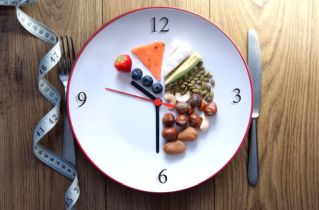
I also asked Dr, Fred his opinion of when to eat. The traditional Western plan was “3 meals a day”. In contrast, some athletes try to eat every 3 hours (supposedly to keep the metabolism humming). Of late, the trend among nutrition experts has been to preach “intermittent fasting” and that is what Dr. Pescatore recommends. The photo above is from an article on the Cleveland Clinic website discussing the benefits of and guidelines for fasting.

Fasting is not a new idea. Many religions incorporate fasts for purification, focus and sacrifice. Ramadan is perhaps the most well-known fast because it is practiced from sun up to sun down for most of a month. The most common methods of intermittent fasting for health include alternate-day fasting and daily time-restricted feeding. During the fasting hours (e,g, typically 16 hours), nothing  is eaten and the only beverages permitted are no-calorie options such as water, coffee and tea.

I quote the following from an excellent article by pharmacist / nutritionist Dr. Ross Pelton writing for Essential Formulas:

“Why do most people need to spend more time each day without food intake, i.e., fasting? When nutrients are not available to cells, a cellular process named autophagy gets initiated. A Japanese scientist won the Nobel Prize in 2016 for his discovery of autophagy, which can be compared to sleeping. Sleep is our resting state, yet this doesn’t imply that nothing is happening. A great deal of our detoxification takes place during sleep.

Growth processes stop during autophagy, but a great deal of cellular renewal, rejuvenation, and detoxification occurs during this time. This is the time for cellular trash removal and cellular housekeeping. Because modern humans eat constantly, we spend far too little time in autophagy, and all of our cells are too toxic, which causes things to break down and diseases to happen over time.

… one of the most common [plans] is referred to as 16:8. This means consuming all your food for the day between noon and 8 PM [e.g. or 10am and 6pm]. Then you go from 8 PM until noon the following day with no food intake, which is a 16-hour fast. Note that this protocol does not specify that you reduce the amount of food you ingest, just that you consume all of your food within a shorter window of time.”

Another benefit of intermittent fasting is weight loss. According to the late Byron J. Richards in his book The Leptin Diet: How Fit Is Your Fat?, “A healthy person who has not eaten for four to five hours prior to bed will burn sixty percent fatty acids [fat] and forty percent sugar the last three to four hours of sleep…If a person eats before bed, it shuts off this prime fat-burning time during sleep.” [I knew Byron from my annual clinical nutrition seminars.]

We can turn the blessing that is a steady supply of food into a curse if we don’t plan to give our cells a break. And though the fasting plan covers when to eat, not what to eat, I still say, probably best to skip the cookie salad.

How to Limit Spike Protein Damage

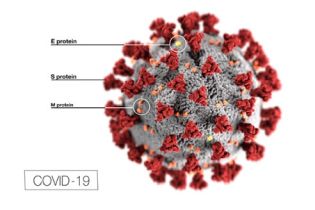
For a long time we have been hearing about the covid-19 virus and its spike protrusions known as “spike proteins”. That is the part of the virus which enters human cells through ACE2 receptors and that has been the case for all variants. The spike protein is apparently what causes damage to the cardiovascular system, lungs, and other parts of the body—even the brain. What is not mentioned so much by the authorities is that the covid-19 vaccines are designed to instruct the body to create spike protein. That is how the mRNA vaccines were intended to alert the immune system to go after the virus. Unfortunately, many experts are concerned that the vaccine’s internally-generated spikes are causing many of the same symptoms as the disease—like heart inflammation and even deaths.

So, whether you got the spike protein in your body accidentally from infection or from a vaccine, you don’t want it to hang around long and cause trouble in many of your organs. I found a very comprehensive article about detoxing the spike proteins and blocking their entry into cells. The following are a few highlights quoted directly from that article. [However, some text formatted like this are my notes. Some we’ve discussed on HBN with our guests who have consistently been ahead of the curve.]

Spike Protein Inhibitors: Prunella vulgaris, pine needles, emodin, neem, dandelion leaf extract, ivermectin. [The only one of these I’m very familiar with is Ivermectin and it is not easy to get.]

Spike Protein Neutralizers: N-acetylcysteine (NAC) [the stupid FDA has been trying to ban this for no good reason], glutathione [the best way to get this is by taking ME3 probiotic which makes glutathione in the gut or better yet, the Detox/Liver combination, Reg’Activ, which also contains NAC and milk thistle that are recommended in the article], fennel tea, star anise tea, pine needle tea, St. John’s wort [be a little careful with this herb because it can detoxify medicines you want to keep in your body], comfrey leaf, vitamin C [see below].

  • Ivermectin has been shown to bind to the spike protein, potentially rendering it ineffective in binding to the cell membrane.
  • [Sherry Rogers, MD is one of the guests who told us that vitamin D3 in high doses (i.e. 10,000 IU per day) closes those ACE2 gateways.]
  • Regular oral doses of vitamin C are useful in neutralizing any toxin. [My choice is unique Formula 216 for this purpose and overall health]
  • Pine needle tea has powerful antioxidant effects and contain high concentrations of vitamin C.
  • Nattokinase, is an enzyme derived from the Japanese soybean dish ‘Natto’, is a natural substance whose properties may help to reduce the occurrence of blood clots. [Eat the natto food if the horrible smell doesn’t bother you, or as Bill Sardi told us, take the enzyme capsules. Here is an example product.]
  • [The article also mentions resveratrol, quercetin and fisetin, all of which are contained in Longevinex. Also magnesium, zinc and fish oil which we all need anyway for general health. You will get enough zinc from Molecular Multi and a lot more nutrients you need…it is less expensive when you buy 3]

The source article goes into greater depth, detours, and detail than you may want to deal with. And you most likely don’t want to take dozens of supplements, so I recommend just reviewing [my notes above] for some serious but not terribly complicated help.


Healthy By Nature Show