Archive for the ‘general’ Category

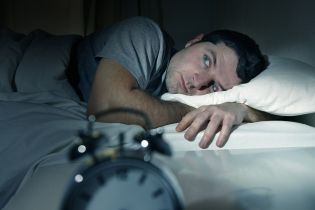
3 Simple Steps to Improve your Sleep
Since I’m just a little bit busy this week with last minute details of The 2019 Health, Home and Garden Expo, I invited a guest to do the blog this week, professional writer, Erika Long.

The human body is an extraordinary machine which even the best minds may never be able to fully understand. What we do know is that both the mind and the body need adequate rest and sleep to perform optimally. However, there are thousands of people who suffer either from sleep disturbances or chronic insomnia. Here are 3 simple steps to improve your sleep starting today.

Foods: Inducing or Disturbing Sleep

First, it’s important to identify the factors that could be causing sleep disturbances. Stress from work or relationships, traveling or an injury can all cause interruptions in our sleep patterns. The food we eat also play a role.

It’s best to avoid food with a high glycemic index a couple hours before bed as these foods can spike blood sugar levels. When sugar levels then drop suddenly, the body will crave more sugar and can wake you in the middle of a deep rest in order to get the next sugar rush. Alcohol is another item to avoid before bed. Though the depressant in alcohol, makes us sleepy, the sugar in wine and cocktails can cause an insulin spike.

Caffeine is great at keeping us alert but when it comes to sleep, it could cause problems. Be sure to stop consuming caffeine, like in coffee, tea and chocolate, by the late afternoon if you want to easily fall asleep. Spicy foods can also cause digestion problems if consumed to late in the evening. Finally, foods that are rich in vitamin B12 should be avoided before sleep as B12 converts the glucose in food into energy and can make us alert when we are trying to wind down. Eggs and meat are just a few foods rich in B12.

Other foods full of certain minerals and vitamins can aid relaxation, like the classic warm cup of milk before bed. Milk is a rich source of calcium, magnesium and tryptophan which can all help the body fall asleep and stay asleep.  Drinking chamomile tea is also very soothing and can  function like a mild sedative due to a flavonoid called apigenin that has an effect on the GABA receptors in the brain.

  • Honoring the Body’s Rhythm

The circadian rhythm is the internal clock in the brain that regulates when we are awake and when we sleep. It tells the brain when to release melatonin, which is a sleep-inducing hormone, and when to release cortisol, a stress hormone that makes us alert. When our sleep gets disturbed, it could lead to an imbalance in these hormones, as well as other ones. There are sleep aids available at drugstores but those can cause dementia. Instead, natural supplements like CBD oil for sleep are a safe and effective way to treat sleep issues as CBD works to regulate the hormones that induce sleep.

Before reaching for supplements, you can try resetting your circadian rhythm. It’s not hard. It will require going to bed and waking at about the same times and some light exercise. Go to bed by 10pm, wake up between 6-8am and then going for a walk in the morning sunlight for 30-45 minutes. When our eyes register sunlight, cortisol is released waking us up and serotonin is also produced that will begin converting approximately 12 hours later into melatonin right in time to start winding down for bed. It’s important not to wear sunglasses or anything that will block the sunlight getting to your eyes. It’s fine to wear sunscreen.

  • Turn off the light

Because light is such a critical factor to our circadian rhythm, it’s important to turn off blue-light emitting devices, like cell phones, computers and tv monitor in the evening. It’s best to switch off all electronic gadgets and devices at least one hour before bed as the blue light confuses the brain into thinking it needs to stay awake.

Sleep is one of the most important activities our body needs to be healthy and feel good. Besides good nutrition and exercise, restful sleep is essential to supporting the body to be at its best.

Thank you, Erika.
Both Men and Women Need It

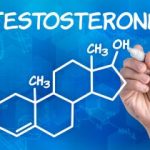
This hormone is powerful! The effects are approximately the same in both sexes, but a little goes a long way in women. There is no reason women can’t pay attention to the following diet and lifestyle suggestions, but only a doctor skilled in testing and bioidentical hormones should attempt supplementing the hormone itself…really for men or women. I was answering a listener question last week on the radio show and said I’d review the subject in writing with more details. I’ll focus here a bit more on men.

What does it do? It supports muscle mass, bone strength, energy, libido and sexual performance. Oh and that’s right, a longer healthier life!

What happens if you don’t have enough? Fatigue, blue moods, indecision, loss of muscle mass, low sperm count, prostate trouble, hair loss and a need for blue pills for bedroom issues.

What is a healthy level for total testosterone? A now out of print book by Kyle Smith, DC said that for men the range was 348 – 1197 ng/dL. However, in a study of elderly men, those who had levels above 550ng/dL had a 30% lower risk of cardiovascular events. Most readers will probably have to request a test if they are experiencing some of the symptoms of low testosterone.

Does losing weight help? Yes, for those who are overweight. That is mainly because fat generates estrogen which has somewhat opposite effects of testosterone.

What changes in diet might help? Reducing sweets and refined starches usually helps with weight loss. There is another reason to go that route for boosting testosterone because eating fast-acting carbohydrates increases insulin. High insulin levels are associated with low testosterone, and conversely, low insulin is associated with high testosterone. That means eating a low glycemic diet. Foods that are high in antioxidants (vegetables, berries, spices, etc.) is also a good idea.

What lifestyle improvements might help achieve a healthy balance?

  • Physical exerciseeven weight lifting.
  • Getting sufficient restful sleep.
  • Reducing psychological stress. For one thing, when under stress we tend to eat more carbohydrates. As noted above, that raises insulin. Insulin in turn packs pounds around the middle which increases levels of aromatase enzyme in men. That matters because the enzyme turns testosterone into estrogen.

What supplements might I consider?

  • Boron. Our friend Bill Sardi reminded me that 12 mg of the mineral Boron daily helps to release testosterone from its binding protein.
  • Zinc. Because it has more than other multis and in a good form, I recommend Molecular Multi.
  • Phosphatidylserine (PS). Supplementation may help lower the serum cortisol (stress hormone).
  • Ashwagandha. This herb is an adaptogen. Those normalize various factors up or down as needed. It is especially known to be calming and to help testosterone.


Stem cells / Constipation / Ultra-process foods

Stem Cells. I was beyond thrilled by what my guests told us on the show last week. I knew that therapy with Human Umbilical Cord Stem Cells could do marvelous things, but their stories (about cancer, kidney failure, Parkinson’s and more) elevated “marvelous” to “miraculous” for me. If you did not hear that program, I sure hope that you will listen to the archived show. We probably all know someone who would benefit from our forwarding that link. I want everyone to understand that the type of stem cells and the provider make a big difference! Read my refreshed blog post, Regenerate the tissues that time and trauma degenerate. I also updated the article: Regeneration with Human Umbilical Cord Stem Cell Therapy.

Constipation – A unique approach. The usual recommendation is to eat more fiber; drink more water; and get more exercise. Beyond that, laxatives are the conventional go-to remedy. But, those have limitations. A new approach being tested in clinical trials does not rely on chemicals. It uses a capsule that gives off vibrations which remind the digestive tract to get moving. Here is a website with more information. We got a hint of that at the end of the show last week when Vanessa Galvan (who represents Alinea Research at the Kotsanis Institute) told us about a clinical study they are doing on constipation. In the DFW area, they are conducting a clinical study on constipation using this capsule. Call Vanessa at 972.595.4415. She will also be in our Health, Home and Garden Expo, 8/24 with Dr. Kotsanis and his staff.

It is too easy to eat junk. A new university study shows that 70% of packaged foods in the grocery are ultra-processed. The CDC says that type of food leads to overeating and weight gain. But, surely it’s a serious problem on many other counts. Besides lacking needed nutrition, the contents of these foods are hard on our microbiome. We depend on our gut bacteria for everything from our brain function and immune function to liver health and well…everything! According to this article, “ultra-processed” means it is more “lab product than actual food”. An interesting observation was that “The worst of the worst food- and drink-like products were not sodas, or even power bars, but bread products. Breads were high in unhealthy saturated fat, sugar, sodium and calories overall.”

The Journey to Optimum Health

I imagine that the majority of Healthy by Nature Show listeners and our readers already have a pretty good idea how to head in the direction of optimum health. However, we all have folks in our circle that we’d like to help but who don’t even know where to start. Since most people are familiar with traveling and probably know more about their cars than their bodies, maybe this analogy will help them.

  • Know where you are going. Realize that health is a lot more than the absence of disease. Aim for being energetic, cheery, optimistic, calm, pain-free, well-rested, clear-headed, happy with your weight, and resistant to colds and flu. If you are not those things and are being propped up by medications, you have not yet arrived at optimum health.
  • Have realistic expectations. If it took you 20 years to get in the shape that you are in, don’t expect to get back to perfect in 20 minutes. An aspirin might work in 20 minutes for a mild headache, but it hasn’t fixed the cause…it just dulled the pain.
  • Do preventive maintenance. For example, your vehicle (your body) might need an oil change. If your cell membranes aren’t composed of the right materials, they can’t do their job of letting the good things in and keeping the bad things out. Trans fats from partially hydrogenated oils, damaged fats and an excess of the omega-6 fats (from vegetable oils) are bad. Omega-3 (e.g. from fish) and omega-9 (e.g. from olive oil) are good.
  • Use the fuel your vehicle was designed for. You wouldn’t think of putting kerosene in even a beat up old Ford. Your body, at its best, is like a brand new Lamborghini that requires premium gasoline. The “what to eat for health” rules can be confusing, but the basics are pretty simple. Your body craves real food that is as close to nature as possible. The more it is processed and laden with chemicals, sugar and while flour, the more it is like kerosene. The good bacteria in your gut need fiber and vegetables. For more details, read my article, ABC’s of Healthy Eating”.
  • Pay attention to the warning signs. Red lights on the car dashboard and funny sounds get our attention and send us to the shop. Body symptoms might send us to the doctor, but what if they are our red lights asking for preventive maintenance? Read more. We should also heed little changes too. For example, bleeding gums, broken capillaries and tiny red spots on the skin might be telling us that we need more vitamin C. Likewise, little white spots on fingernails might be calling out for zinc.
  • Don’t let it sit unused too long. You don’t want to end up with a dead battery or flat-spotted tires or worse. It appears that sitting too much is really hard on our bodies.
  • Don’t sabotage that fine machine. You wouldn’t ask a regular car to climb rocky hillsides like off-road vehicles do in commercials. It is clear that smoking, excess alcohol, extended stress, recreational drugs and even pharmaceuticals can be our rocky hillside.
  • Get factory-authorized repairs. Functional medicine doctors and naturopathic physicians are among those better trained in our body’s “factory settings”. They know what is out of balance and how to fix that. For example, they would try to fix what is wrong with your knee rather than give you a new metal one. Click here for more information about finding a “factory-authorized” doctor.

Happy trails.

News Roundup

When I see how much there is yet for us to learn about optimum health, I start wishing I had a radio show every day. Then I remember how hard it is to manage a show once a week and the thought quickly passes.

From Ronald Hoffman, MD

I had already planned to include a link to two articles on this fabulous doctor’s website. Then, today, I got his great newsletter. I added two more of his interesting tidbits (and borrowed the graphic).

  • “Everyone knows” that COFFEE is a diuretic, right?… Hah! Dr. Hoffman linked to a 2014 research article that put that myth to rest.
  • “Everyone knows” that CHOLESTEROL in food is bad, right? What if cholesterol is actually brain food? In the newsletter, Dr. Hoffman said, “The brain needs cholesterol for synthesis of myelin, the waxy sheaths that insulate nerve tracts.” He then went on to discuss multiple sclerosis (MS) and an animal study. It showed that when the scientists enriched the mouse chow with cholesterol, it helped slow damage and even began repair of the damaged nerves. (Those with a special interest in MS should read his article, 17 natural ways to treat Multiple Sclerosis.) The good doctor also points to stats showing that cholesterol that is too LOW is linked to dementia.
  • “Everyone knows” that SATURATED FAT is bad, right?…In Dr. Hoffman’s article, The weak case against saturated fats, he says that there is scant science to support the common demonization of saturated fat. It seems to be another case of using too broad a brush (like when “they” told us that ALL FAT was bad.)
  • “Everyone knows” that PSYCHIATRY is scientific and helpful, right?…Dr. Hoffman, who bases his advice on what the science actually says, wrote this:Is Psychiatry an Unscientific Mess? [You might also be interested in this article I found, Do antidepressants work better than placebo?]

From Jim LaValle, RpH, CCN: On the show Saturday, I asked him what natural steps to take for conditions such as allergy, GERD, constipation or autoimmune conditions before resorting to drugs. I said I would review his answer.

  • Change the diet. If the issue is related to the immune system, inflammation, or GERD, get off gluten and dairy. Chew your food better. And try to get 7 servings of fruits and vegetables a day.
  • Get the minerals back [e.g. magnesium and zinc]
  • Rebalance the gut bacteria. [Hint—they like vegetables, spices and fiber.]
  • He is also a big fan of exercise.

From Bill Sardi:  Our favorite guest is a prolific writer, but also sends me other articles he comes across.

From Green Med Info

  • An international study confirms that LDL cholesterol does NOT predict heart disease risk.
  • An article from the site founder (and one time guest on Healthy by Nature), Sayer Ji, details that the chemicals in nail polish are linked to cancer, obesity, autoimmune disease and more.

From Robert F. Kennedy, Jr., Chairman, Children’s Health Defense

  • Kennedy’s presentation shows studies that the “authorities” say do not exist about side effects of immunization.

I hope to save you some reading by doing this cherry picking.

8 Science-Backed No-Willpower Weight Loss Tips

Unusually Effective Science-Backed Weight Loss Tips

If you are overly qualified to do a belly flop, you might find these simple tips useful, especially because they do not require willpower or suffering. They were on a flier written by Andrew Shepherd, DC (Parker Wellness Center*). I picked one up while I was in for a tune up and he have me permission to use it here. [I added any text in these brackets.]

Hang a Mirror in Your Dining Room – Research has shown that people who eat in front of a mirror are less likely to enjoy junk food, and also eat less of it. However, people who sat in front of a mirror to eat healthy food felt better about themselves and also enjoyed their vegetables. Researchers believe that your reflection holds you accountable for your food choices.

Clean Your Kitchen – Spending as little as 10 minutes cleaning and uncluttering your kitchen can make you more likely to reach for a healthy snack. According to a study in Environment and Behavior, volunteers who spent time in a disorganized kitchen were more likely to reach for snacks like cookies and ate about more 100 calories, all of which were junk food.

Pay Cash for Junk Food – Scientists have found that having to look for dollars to buy candy bars or bags of chips can give you a moment to reconsider your purchase, as parting from your cash can stop your impulsive cravings, according to a study of shopping behaviors. A similar trick is to choose a smaller cart [or hand basket] at the grocery store. Also try using smaller plates and bowls at home to cut down serving sizes.

Dim the Lights – Soft lighting can melt stress away, improve your mood and even spice up boring conversations. But it can also make you eat less, according to research published in Psychological Reports. In the study, participants who ate their dinner under dim lighting were found to have enjoyed their meals more, took longer to eat, and consumed 18 percent fewer calories than people who sat under bright lights.

Beware of Action Movies – It’s no secret that eating in front of the TV can make you hungry. However, did you know that certain movies trigger these symptoms?  Try saving your snack for comedies or talk shows, and stash the chips away when you watch action movies or tear-jerkers, suggests the findings of a study published in the Archives of Internal Medicine. People were found to eat twice as much junk food while watching The Island than they did while watching the talk show Charlie Rose [has lost favor in this me-to era but did have a soothing voice]. At the movies, viewers of sad movies ate 28 to 55 percent more buttered popcorn than people who watched comedies.

Use the Power of Peppermint – Cravings and emotional eating can be suppressed just by the smell of peppermint, according to research published in the journal Appetite. In the study, people who smelled peppermint every two hours reported they felt less hungry, more focused, and consumed 2,800 fewer calories per week than non-smellers. In a similar study that took place in the UK, the same effect occurred when people wore a vanilla-scented patch. They lost five pounds in a month and felt more in control of their diets.

Use a Long Fork – Long elegant forks or spoons can help you slow down and enjoy your meal. (The same goes for long chopsticks versus short chopsticks.) [I would starve to death with either kind because I’m not competent using them.] A Taiwanese study published in Psychological Reports found that short utensils made participants feel the need to eat more food. However, people who were using longer cutlery stated they enjoyed their food more and took more time between bites.

Don’t Color Coordinate – Eating too much of the same color can be counterproductive. For instance, eating white pasta in white cream on a white plate can cause you to overeat. A study in the Journal of Consumer Research found that volunteers noted better control over their portion sizes when the food contrasted with the color of the plate. The solution? As published in the International Journal of Obesity, a study found that eating off a plate with a blue rim led diners to perceive their servings to be larger.

[Thank you Dr. Shepherd!]

*Parker Wellness Centers. Dr. K. Andrew Shepherd. DC. CN. 4709 W Parker Rd. #440. Plano. Tx. 75093.  (972) 398 0440.

Healthy blood pressure without drugs


When Jim LaValle was my guest on the show last week, I took notes! Here is a brief review of the blood pressure discussion plus some of the extra items that I said I’d provide. Husband Bill while proofreading said this is too much information. Maybe. But, people who have tried a number of things, may need to know what else to try. 

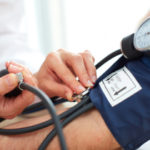
Why high blood pressure should be remedied—Jim said that BP above the recommended 120 over 80 can lead to stroke, heart attack, heart failure, kidneys and damage to the brain. The problem seems worse for women and blacks. Note that most people cannot tell if their blood pressure is elevated. We are in favor of knowing what your blood pressure is and, if it is high, finding and fixing the cause. Excessively low blood pressure is not good either. That can cause falls and brain function problems.

What drives blood pressure up? Age, smoking, medications (e.g. NSAIDS and even nasal sprays), sleep apnea, stress, gum disease, and lead toxicity. Massive salt intake is probably not good for anyone and those who crave it might be low in nutritional minerals. However, only a relatively small percentage of the population has blood pressure that is salt-sensitive. (Jim said that those who are salt sensitive should check on their adrenal function.) He says metabolic inflammation is a factor.

Why drugs shouldn’t be the first choice—Some types of drugs interfere with vitamin C, zinc and magnesium with unpleasant results. (FYI magnesium is nature’s calcium channel blocker.) Drug side effects can include cough, falls, joint pain, allergic swelling, rash, shortness of breath, hair falling out, insomnia, erectile dysfunction, cold hands and feet, worsening insulin resistance, reduction in testosterone, hormone changes for women, immune challenges, diarrhea, weakness, fatigue, depression, sexual dysfunction and increased breast cancer risk. Mr. LaValle said that low dose angiotensin receptor blockers (ARB’s) might not be so bad.

Lifestyle improvements that will help lower blood pressure—Weight loss, lowering insulin and insulin resistance are major and those are achieved by eating fewer simple carbs. Quick digesting carbs make insulin go up. Then we make more adrenaline which in turn contracts blood vessels making pressure go up. Insulin is also inflammatory and uses up antioxidants. Insulin resistance damages kidneys which raises blood pressure. Exercise may be as effective as medication at lowering blood pressure. Jim suggested what the Cooper Clinic recommended, 150 minutes of exercise a week. Also helpful: ceasing smoking, moderating alcohol consumption, taking anger / stress management training, getting more sleep and petting a dog.

Specific foods and diet changes that help—I found articles in my pudgy blood pressure file saying that all of these items lower blood pressure: avocados, beans, beets, blueberries, brown rice, celery, chocolate, egg whites, garlic, grapefruit, grapes, green tea, hibiscus tea, Italian cheese, leafy greens (more magnesium in the darker ones), nuts, olive oil, pomegranate, protein, tomato, watermelon, and whole grains. You will notice that these are all real whole foods and that the list does NOT include pasta, cake, cookies, Cheetos, bagels, Dr. Pepper, etc. In fact, reducing intake of sugar and starch is a big help. Mr. LaValle said he believes that the “DASH” diet recommended by the American Heart Association and even the Mediterranean diet both contain too many refined carbohydrates. His advice = eat more plant foods. See additional discussion of diets at the bottom under “Genetics”.

Natural remedies—We discussed Kyolic Formula #109 at some length because multiple human studies show that the main ingredient, Aged Garlic Extract (AGE), lowers blood pressure. It makes arteries less inflamed and more flexible; reduces plaque formation; reduces oxidized LDL (the form that annoys arteries); and even reduces gum disease which is a cardio risk factor. Other related benefits are an improvement in the nervous system and reduction of general inflammation that affects all parts of the body including the brain.

The formula also features the extract of fermented soy, nattokinase, which helps blood to be less sticky and is a rich source of vitamin K2 (which as we’ve discussed helps keep calcium in the bones rather than the arteries). The formula helps blood vessels to be more flexible and the calming amino acid theanine in it blocks the excitotoxin glutamate which tightens blood vessels.

Both Jim and I are big fans of magnesium which is not only good for blood pressure study but also metabolic syndrome and hundreds of other things. These things are also noted for a positive impact on blood pressure: zinc (Bill Sardi’s 12/2/17 radio interview and his very interesting article), potassium, fish oil, vitamins B6, C, and D (review of several studies), probiotics (Dr. Ohhira’s Probiotics of course), CoQ10, tocotrienols, alpha lipoic acid, pycnogenol, l-Carnitine, carotenoids, fiber, resveratrol, Hawthorne, olive leaf, and many other herbs.

GeneticsEating habits are often passed from one generation to the next, but genetics are also a factor. Jim LaValle mentioned the APOE 3 and 4 genes in connection with a lowered ability to deal with saturated fats. A listener wrote saying that she has that gene and eating the paleo diet with its higher fats sent her LDL cholesterol “through the roof”. When she started eating the Mediterranean, the LDL’s became normal and she feels better. The low carb diet even made her HbA1c (long term measure of blood sugar) go up. Good carbs (e.g. vegetables, fruits & whole grains) work best for her. Some people do well as vegetarians. I’m not one of them. Testing the diets may be more meaningful and cheaper than testing the genes. I’ve asked an expert to be on the radio show soon. Bottom line on diet: everyone needs vegetables, no one needs sugar and refined starch.

Massively Misunderstood Mineral

Let me first get your attention with this shocking well-kept secret: Researchers studied the drinking water in 27 Texas counties. As reported in an excellent 2014 New York Times article entitled Should We All Take a Bit of Lithium?, the study demonstrated that “people whose water had the least amount of lithium had significantly greater levels of suicide, homicide and rape than the people whose water had the higher levels of lithium.” In fact, “The group whose water had the highest lithium level had nearly 40 percent fewer suicides than that with the lowest lithium level.” More recent studies in Greece, Austria and Chile confirm the findings. A confirming Japanese study also noticed lower levels of “all-cause mortality” in the water with more lithium (!!! Egad, that was in 1990 and yet we still adulterate tap water with disease-causing fluoride but fail to see if the lithium is in a healthful range!!!) Recent research is investigating lithium for improving mood and the prevention of dementia. If you are interested in drinking water with known amounts of lithium and a big consumer following, consider Crazy Water.

Most folks only know lithium in connection with batteries (i.e the type the airlines don’t allow in checked luggage). The fact that every organ and tissue in the human body contains some lithium doesn’t seem known even by most nutritionists and psychiatrists. Lithium should apparently be classified as an essential trace element nutrient. 

History. The use of lithium to improve health goes back at least two thousand years and is a key factor in many well-known healing springs. I was surprised to learn that the soft drink 7-Up contained lithium until 1950 because it made people feel better. (Surely that’s a better deal than when Coca Cola contained cocaine.) In 1908, you could buy pills with lithium from the Sears & Roebuck catalog.

Other benefits. It isn’t surprising that there has been such interest in the past and in pockets of current research. Studies show that lithium is especially important for brain health and memory and has even been shown to reduce mental decline in Alzheimer’s patients.* It has also shown improvement in neurodegenerative diseases and in children with intellectual disabilities. Low doses of the mineral are being studied for anti-aging benefit, various mood issues, ADHD, alcoholism (with the supplement lithium orotate) and as an adjunct in cancer chemotherapy treatment. Animal studies show benefit for osteoporosis and seizures.

How does lithium work? As with most minerals, there are probably multiple effects, but lithium hasn’t really been taken seriously as a nutrient, so comparatively little research has been done on its mechanisms. From what I gather, it helps the growth and stability of nerve fibers and reduces damage to nerve tissue caused by stress. In one study, brain scans found that patients taking medically-prescribed lithium for mood problems, gained more gray matter in their brains compared to controls! Other theories are that lithium helps protect against damage from the heavy metal cadmium and that it may help transport and distribute vitamin B12

Sources. Our major source of lithium intake is from drinking water. (The photo at the top is how it is “mined” from briny water.) But, as the studies above showed, not all tap water is a good source. Lithium is found in very low amounts in foods such as lentils, beans and peas. Even lower amounts are contained in tomatoes, mushrooms, cucumbers, cabbage and cauliflower. However, it can take extra effort to restore lithium balance when things have become seriously out of kilter as is the case with bipolar disorder, other mental issues and probably addictions. The most potent variety of Crazy Water contains less than 1 milligram per liter – .017 mg to be exact (plus other minerals). Nutritional supplements of lithium orotate are usually around 5 mg.  As a prescription medication, lithium doses can range from 150 mg to as much as 600 mg and therefore, obviously, must be calibrated and monitored by a physician because there can be very serious side effects with lithium overdose.

Why don’t we hear more about lithium? That appears to be because when the mineral became associated with its use as a drug for bipolar disorder, the nutrition community and the public were either frightened off or just forgot about the other uses. Of course, we can’t expect any interest in publicizing it by the pharmaceutical industry because even the drug version is cheap and sold by several companies.

*For anyone dealing with mental decline, in addition to considering a lithium source, I’d recommend what Bill Sardi taught us, vitamin B1 in the benfotiamine form at 150-300 mg. (Take away from coffee, alcohol, sugars or other B vitamins. See last week’s blog.) The same goes for traumatic brain injury, stroke recovery, migraines, anxiety and other brain issues. For all these reasons, please investigate the Brain Light Pro.

Save your eyes, brain and…

Save your eyes, brain…and much, much more. When an imbalance is repaired at a very basic level, we can expect improvements all over the body. On the show last week, Bill Sardi discussed his report on a book by Derrick Lonsdale, MD which explained the crucial role of thiamine also known as vitamin B1. (I will use the terms interchangeably.) The information was so powerful that I was considering doing a summary. Then, this week Mr. Sardi wrote an excellent follow up piece on the same nutrient—in this case about its use for for the prevention of eye diseases. Both of those articles go into detail and provide many scientific references. Frankly, as much for my benefit as much as yours, I am creating this simple review of the often forgotten, underappreciated, humble but mighty vitamin B1.

Why you should care: For one thing, an oil soluble form of B1 (benfotiamine) is performing better in studies to treat Alzheimer’s than any medication has! You should also care about thiamine if you or someone in your family has issues with one or more of these: abnormal heart beats (or atrial fibrillation), anxiety, ataxia (appear to be drunk, slurred speech, stumbling), blood pressure low, calf muscle cramps, diabetes, constipation, depression, eating too little, eating too much, eyelid constriction, glaucoma, hives, intolerance to cold or hot temperatures, lack of appetite (anorexia), macular degeneration, memory loss, moodiness, nausea (especially during pregnancy), post-vaccine problems, pseudo angina (chest pain) upon exertion, ringing in the ears, salt craving (can be low zinc), sensitivity to light or noise, sleeping too little, sleeping too much, sneezing, stuttering, sweating excessively, or throat spasms. There are a lot (perhaps hundreds) of conditions of the heart, lungs, eyes and brain diagnosed as a “disease” that should instead probably be identified as vitamin B1 insufficiency.

How can B1 have so many effects? The reason I used the bunny graphic is because thiamine helps assure that the power supplies in our cells (our batteries, the mitochondria) have sufficient energy. For that reason alone it is hard to imagine a system or organ that wouldn’t suffer if we were low in B1. Our autonomic nervous system also depends on it. What’s that you say? It is the system that works automatically behind the scenes without your conscious direction. Bill Sardi noted that it is the system that “regulates heart rate, respiratory rate, pupil response (eye), urination, digestion and bowel movements, blood pressure and body temperature as well as tear, saliva and sweat production.” If our autonomic nervous system is not sufficiently supported with thiamine, we over react to even minor stressors.

Thiamine is critical to help hemoglobin, the red pigment in red blood cells, pick up oxygen and transport it where it is needed. Many eye diseases (e.g. glaucoma, diabetic retinopathy and macular degeneration) are known as being caused by low oxygen. As further evidence, sleep apnea makes macular degeneration worse, while hyperbaric oxygen treatments make it better. It sure couldn’t hurt to take B1 for any of those eye problems. Lack of proper oxygenation also affects chronic obstructive pulmonary disease (COPD), dementia and angina. Vitamin B1 even helps some of our beneficial gut bacteria.

Insufficiency versus deficiency. Long-term inadequate levels of thiamine (B1) result in a deficiency disease, beriberi. But some of the tissues discussed above are delicate and may struggle long before the body as a whole would show the deficiency.

Why would we be low in B1? Persons who eat beef, liver, beans, nuts and rice will be getting some. However, the American diet contains a lot of refined sugars and processed carbohydrates that block thiamine (B1) absorption.  Alcohol,  tea and coffee also interfere. Many drugs interfere. Arsenic contamination in the food supply (e.g. from glyphosate weed killer, Roundup) also block thiamine. Even dietary supplements with polyphenols (like resveratrol, quercetin, cinnamon) if taken at the same time can interfere. (Longevinex has been shown to be therapeutic for macular degeneration.) Folks might not be able to properly use B1 if they are low in the mineral magnesium.

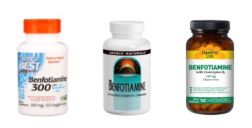
What to do. Thiamine is poorly absorbed. The fat soluble form (e.g. Benfotiamine) is six times more biologically available! So take that kind. (Allithiamine is a rarer form that is particularly known to cross the blood brain barrier.) The only multivitamin containing those is Molecular Multi. If you are struggling with some of the complaints listed above, buy some separate benfotiamine and take it at a different time of day than other supplements like Longevinex. I take mine mid-afternoon. Standard supplement dose is 150 mg. but 300 mg is available. (Examples below.) That’s fine because only a small amount is absorbed.Don’t bother getting a blood test. They are expensive, do not show what is in storage and change daily.            

Bill Sardi’s article on macular degeneration gives the details of the eye diseases and citations. Give a copy to your eye doctor.

In the News

  • Do you want antibiotics with that? Consumer reports wants you to tell Wendy’s restaurants to lay off the antibiotics in their meat. As I point out in The Probiotic Cure, this is critically important because overuse of antibiotics in food production increases the risk of passing along antibiotic resistant bacteria. Also, other bacteria can pick up those resistance genes. Antibiotics might not be effective when we desperately need them. Besides, hints of antibiotics in food find their way into our digestive tract and damage our crucial friendly bacteria. Please sign the petition.
  • Vitamin D dose and colon cancer survival. It has been a pet peeve of mine that studies sometimes report a lack of benefit from vitamin D when they were only using a tiny dose or using low blood levels as the norm. Now a small but important study found a 36% survival improvement in those on high dose vitamin D compared to 400 IU. The “high dose” was 8,000 for 2 weeks and 4,000 IU thereafter. I’m positive the results would have been even more dramatic if they had stuck with the 8,000 IU or even 10,000. Read more.
  • New insight into iron as cause of disease and an aging factor. Bill Sardi has long warned us that excess iron storage is a risk factor for heart disease, other diseases, DNA damage and early aging. That is because it is an “oxidant”. We take “anti-oxidants” to protect ourselves from those toxins. Low iron, anemia, can happen to malnourished individuals, women because they lose blood monthly and to those with bleeding ulcers. However, more often, men and post-menopausal women can store too much. That can be measured as “ferratin” but that is not on the typical blood panel. Mr. Sardi found this journal article which points out that we may be better off in the lower range of what the tests call “normal”. To help, we are advised to avoid supplements that contain iron and reduce consumption of red meat. Donating blood also helps as does the supplement IP6 from rice bran. The old timey Geritol tonic contained 50 to 100 mg of iron, a few B’s and alcohol. Now it only contains 18 mg. I wonder if they were ever sued for promoting it for energy without regard to a person’s iron level? Also, Geritol junior used to have the same amount of iron. That seems kind of crazy. Iron poisoning of children is a major risk and was a major reason childproof caps are required on supplements containing iron.
  • Clue to mysterious race horse deaths. Last week, because of the chemical’s effect on bone, I asked Dr. David Kennedy, DDS if he thought that fluoride in local tap water might be a factor in the shocking number of recent race horse fatalities in California. He thought that was likely. Research is ongoing. This is a paper called “Racehorse Breakdown and Artificially Fluoridated Water In Los Angeles.” This is another article with case studies discussed on our show.


Healthy By Nature Show